If you’re an avid hunter or outdoor enthusiast, you know how important it is to carry your gear comfortably and securely. Attaching your tree stand to your backpack the right way can make a huge difference on your trek into the woods.
Imagine having your hands free, your load balanced, and your stand steady, so you focus on what matters—your adventure. In this guide, you’ll learn simple, effective steps to fasten your tree stand to your backpack like a pro. Keep reading, and you’ll discover tips that save you time, prevent damage, and make your outdoor experience smoother than ever.
Choosing The Right Tree Stand
Choosing the right tree stand is important for a safe and comfortable hunting experience. The right stand fits your needs and works well with your backpack. It should be light enough to carry but strong enough to hold you securely. This section explains the main points to consider before buying a tree stand.
Types Of Tree Stands
There are three main types of tree stands: ladder, hang-on, and climbing stands. Ladder stands have a built-in ladder for easy access. Hang-on stands attach to a tree using straps and are lightweight. Climbing stands let you move up the tree with ease but need more skill to use safely. Choose a type that matches your hunting style and tree conditions.
Weight And Size Considerations
Tree stands vary in weight and size. A lighter stand is easier to carry on long hikes. Smaller stands fit better in your backpack and cause less bulk. Check the stand’s folded size to ensure it fits your pack. Balance weight with strength. The stand must support your weight without bending or breaking.
Safety Features To Look For
Safety is key in any tree stand. Look for sturdy straps and secure locking mechanisms. Non-slip foot platforms help keep you steady. Many stands come with safety harnesses or tether points. These features protect you from falls. Always pick a stand with clear safety instructions and good user reviews.
Selecting A Suitable Backpack
Choosing the right backpack is key to safely carrying your tree stand. A good backpack holds your gear without strain. It keeps your hands free and balances weight well. This makes your hike easier and more comfortable. Focus on size, straps, and strength when picking your pack.
Backpack Size And Capacity
Select a backpack that fits your tree stand size. It should hold the stand plus other gear. Too small means squeezing and damage risk. Too large adds unnecessary weight and bulk. Aim for a pack with enough room but not too big. Check the volume in liters before buying.
Strap And Attachment Points
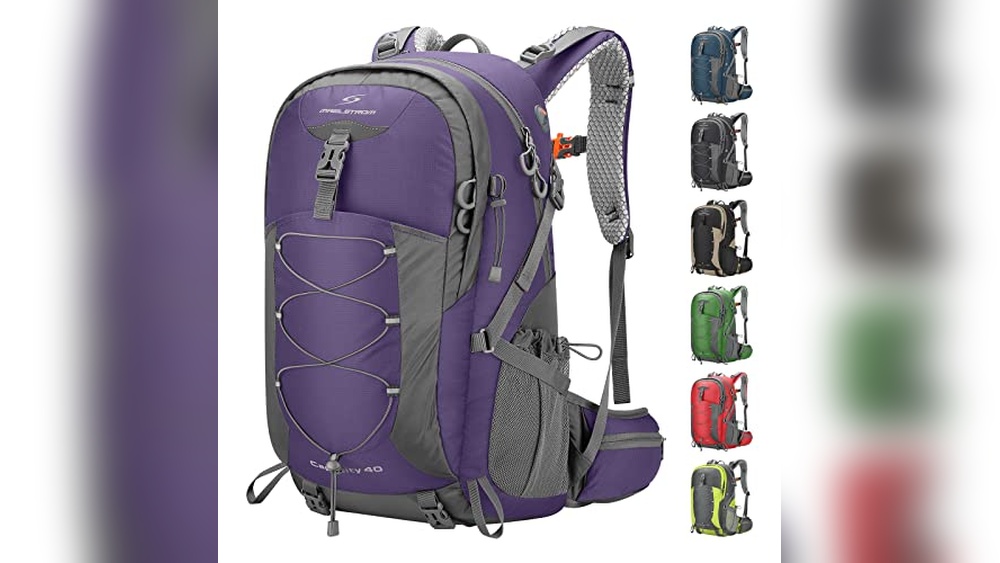
Look for strong straps that adjust easily. Extra attachment points help secure your tree stand outside the pack. Loops, daisy chains, or compression straps work well. They keep the stand stable and prevent movement. Secure straps improve balance and reduce fatigue.
Durability And Comfort
Choose a backpack made from tough materials. It must resist tears and rough outdoor use. Padded shoulder straps and back support add comfort. Breathable mesh helps reduce sweat. Comfortable and durable packs make long hikes less tiring. They protect your gear and your body.
Preparing Your Tree Stand
Preparing your tree stand before attaching it to your backpack is very important. It keeps the stand safe and easy to carry. A well-prepared stand saves time and effort during your hunt. Follow these simple steps to get your tree stand ready.
Folding And Securing The Stand
Fold the tree stand carefully along its joints. Make sure it is compact for easier carrying. Use straps or built-in locks to keep it folded tight. A secure fold stops the stand from opening while you walk.
Checking For Loose Parts
Look over the tree stand for any loose bolts or screws. Tighten all parts with the right tools. Loose parts can cause noise or damage. Fixing them now avoids problems later in the woods.
Adding Protective Covers
Use protective covers on sharp edges or metal parts. Covers prevent scratches on your backpack and reduce noise. Soft padding also protects the stand from weather damage. Always carry your stand with covers for safety and care.
Methods To Attach Tree Stand
Attaching a tree stand to a backpack helps carry it easily through rough terrain. It keeps your hands free and balances the load. Different methods work better with different backpack styles and tree stand types. Choose a method that fits your gear and feels secure. Here are some common ways to attach a tree stand to a backpack.
Using Built-in Backpack Straps
Many backpacks come with built-in straps made for carrying gear. These straps often sit on the sides or front of the backpack. Place your tree stand against the pack and tighten these straps around it. Make sure the straps hold the stand tight to avoid swinging. Use the adjustable buckles to secure the fit. This method keeps the stand close and stable during your walk.
Utilizing Compression Straps
Compression straps help reduce the bulk of a full backpack. They also work well to attach a tree stand. Position the stand along the backpack’s side or back. Wrap the compression straps around the stand and pull them tight. The straps squeeze the load, locking the stand in place. This method works best if your backpack has strong, wide straps.
Employing Bungee Cords Or Carabiners
Bungee cords offer flexible and quick attachment options. Loop the cords around the tree stand and backpack frame. Stretch the cords until they snap tight, holding the stand firmly. Carabiners add extra security. Clip the stand’s straps or frame to the backpack’s loops or daisy chains. This method allows easy removal and adjustment on the trail. It works with many backpack and stand designs.
Balancing Weight And Comfort
Balancing weight and comfort is key when attaching a tree stand to your backpack. A well-balanced load helps you walk longer without feeling tired. It also keeps your body stable on rough trails. Comfort prevents aches and pain, making your outdoor trip more enjoyable.
Proper balance reduces strain on your back and shoulders. It lets you focus on your surroundings, not your gear. This section covers simple ways to position and adjust your tree stand for the best fit.
Positioning The Stand For Stability
Place the tree stand close to your back. Keep it centered for even weight distribution. Avoid letting it stick out too far. This keeps your balance steady while hiking. A stable load means less wobbling and strain.
Adjusting Straps For Even Load
Tighten all straps to hold the stand firmly. Adjust shoulder straps so they share the weight equally. Use waist straps to shift some weight off your shoulders. Check straps often and tighten as needed. Even load helps prevent muscle fatigue.
Avoiding Pressure Points
Look for spots where the stand presses hard on your body. Add padding or adjust straps to ease pressure. Avoid straps digging into your skin or shoulders. Comfort zones help you carry gear without pain. Take breaks to adjust if you feel discomfort.
Safety Tips For Transport
Transporting your tree stand safely keeps you and your gear secure. Proper handling avoids damage and accidents. Follow these safety tips to carry your tree stand with confidence and ease.
Checking Attachment Security
Always double-check the straps and buckles holding your tree stand. Make sure nothing is loose or slipping. Tighten all fasteners before you start walking. A secure attachment prevents the stand from shifting or falling.
Avoiding Snags And Obstructions
Watch for branches, rocks, and tall grass. These can catch on your tree stand or backpack. Keep your stand close to your pack to reduce snagging. Move carefully through tight spots to protect your gear and yourself.
Carrying During Different Terrain
Adjust your balance when walking uphill or downhill. Shift the weight of the stand if needed to stay steady. Take smaller steps on rough or slippery ground. Slow down on uneven paths to avoid falls or injuries.
Additional Gear And Accessories
Attaching your tree stand to a backpack is easier with the right extra gear. These tools help keep your load balanced and secure. They also make your trip safer and more comfortable. Use accessories to organize and protect your gear while you carry it.
Using Gear Loops And Pouches
Gear loops and pouches add extra space for small items. Attach climbing ropes, tools, or water bottles here. These loops keep your hands free and your gear close. Pouches protect items from dirt and damage. Choose loops that are strong and well-placed on your backpack.
Attaching Climbing Aids
Climbing aids like sticks or steps can be fastened to your pack. Use straps or bungee cords to secure them tightly. This keeps your hands free for climbing. Make sure they do not block your movement or balance. Proper attachment helps you move quickly and safely.
Incorporating Rain Covers
A rain cover protects both your backpack and tree stand. It keeps everything dry during wet weather. Use a cover that fits snugly over your pack. Secure it so wind does not blow it away. Wet gear weighs more and can be uncomfortable to carry.
Maintaining Your Setup
Keeping your tree stand and backpack setup in good shape is important for safety and comfort. Regular care helps your gear last longer and work better. Small checks and simple cleaning can prevent big problems later.
Regular Equipment Inspection
Check straps and buckles for tears or cracks. Look over metal parts for rust or bends. Tighten all screws and bolts before each trip. Make sure everything works smoothly and fits well. Catching problems early avoids accidents in the field.
Cleaning And Storage Tips
Remove dirt and mud after each use. Use a damp cloth and mild soap to clean surfaces. Let your gear dry completely before storing. Store in a cool, dry place away from sunlight. Proper storage keeps materials strong and ready to use.
Replacing Worn Components
Replace frayed straps and worn padding right away. Use parts made for your specific tree stand model. Old or damaged parts can fail and cause injury. Keep spare parts handy for quick fixes. Staying prepared ensures your setup stays safe and reliable.
Frequently Asked Questions
How Do I Securely Attach A Tree Stand To My Backpack?
Use strong straps or bungee cords to fasten the tree stand tightly. Ensure it is balanced and does not shift while hiking. Check all connections before moving to maintain stability and safety.
What Are The Best Straps For Attaching A Tree Stand?
Nylon or polyester straps with heavy-duty buckles work best. They provide durability and strong hold. Adjustable straps help customize the fit around different backpack sizes and tree stands.
Can I Carry A Tree Stand On My Back Comfortably?
Yes, by evenly distributing the weight and securing the stand tightly. Padding your backpack straps improves comfort. Practice carrying it before your trip to adjust for balance.
Should I Remove Any Parts Before Attaching The Tree Stand?
Remove or fold any sharp or protruding parts to avoid damage. Compact the stand as much as possible for easier transport. This prevents snagging and improves safety while hiking.
Conclusion
Attaching a tree stand to your backpack keeps your hands free and gear secure. Use strong straps and check tightness before moving. Make sure the stand sits balanced to avoid strain. Practice packing it a few times to find the best fit.
This simple step can make your outdoor trips easier and safer. Stay prepared and enjoy your time in nature with less hassle.