Have you ever wondered how much it would cost to backpack across America? Whether you’re dreaming of exploring bustling cities, stunning national parks, or hidden small towns, knowing the price tag is key before you pack your bags.
You might be surprised by how affordable—or expensive—this adventure can be. You’ll get a clear, straightforward breakdown of the costs involved, so you can plan your trip with confidence and avoid unexpected expenses. Ready to find out what your American backpacking journey might really cost?
Keep reading, and let’s dive in.
Planning Your Route
Planning your route is one of the first steps to backpacking across America. It helps you know where to go and how much time you need. Good planning can save money and make your trip more fun. You can choose places to visit, figure out travel distances, and think about weather. All these details matter for a smooth adventure.
Choosing Key Destinations
Pick a few important spots you want to see. Big cities, national parks, or famous landmarks work well. Focus on places that interest you most. Don’t try to visit too many. It can make your trip costly and tiring. Choose destinations that fit your budget and time.
Estimating Travel Distance
Know how far you will travel between places. Use maps or apps to measure distances. Longer distances mean more travel costs. Walking, biking, or using public transport changes the cost. Plan shorter distances to save money and energy. Keep track of your route’s total length.
Seasonal Considerations
Think about the time of year for your trip. Some seasons have better weather and fewer crowds. Winter can be cold and hard to travel. Summer might be hot and expensive. Spring and fall often have mild weather. Check weather forecasts and seasonal events at your destinations.
Transportation Costs
Transportation costs are a key part of backpacking across America. They can change your budget a lot. Choosing the right way to move can save money and time. This section covers common options for travel and their costs.
Bus And Train Options
Buses are often the cheapest way to travel long distances. Greyhound and Megabus offer routes between many cities. Prices can be as low as $20 for a long trip. Booking early helps get better deals.
Trains provide a comfortable ride with scenic views. Amtrak has routes across the country. Train tickets usually cost more than buses. Expect to pay $50 to $150 depending on the distance. Passes for multiple trips can save money.
Ride-sharing And Hitchhiking
Ride-sharing apps like BlaBlaCar connect drivers and riders. Costs depend on distance and driver rates. It can be cheaper than buses or trains. This option also offers a chance to meet new people.
Hitchhiking is free but less predictable. It depends on luck and safety. Not all areas are safe or legal for hitchhiking. Always be cautious and trust your instincts.
Bike And Walking Expenses
Biking is healthy and cheap once you have a bike. Costs include buying or renting a bike and gear. Bikes need some maintenance during the trip too.
Walking costs almost nothing but takes much longer. Plan for food, water, and occasional lodging. Walking allows deep exploration but is slow and tiring.
Accommodation Expenses
Accommodation expenses form a big part of your backpacking budget across America. Choosing where to sleep each night affects your total cost. You can spend very little or more, depending on your style and needs.
Many backpackers mix different types of stays to save money and enjoy their trip. Knowing your options helps plan better and keep expenses low.
Camping And Hostels
Camping is the cheapest way to stay overnight. National parks and campgrounds offer spots for tents. Fees usually range from $10 to $30 per night. Bring your own gear to avoid extra costs.
Hostels are another budget choice. Prices vary from $20 to $50 per night. Hostels often provide shared rooms and kitchens. This helps save money on food and meet other travelers.
Budget Hotels And Motels
Budget hotels and motels cost more than camping or hostels. Expect to pay $50 to $80 per night. These places give private rooms and basic amenities. They suit travelers who want more comfort but still save money.
Booking in advance can help find better prices. Look for deals or discounts to reduce costs further.
Couchsurfing And Alternative Stays
Couchsurfing lets you stay with locals for free. It is a great way to save money and meet people. Always check reviews and communicate clearly with hosts.
Alternative stays include Airbnb or home exchanges. Prices vary widely but can be affordable. These options offer unique experiences and sometimes better comfort than hostels.
Food And Drink Budget
Food and drink costs make up a large part of any backpacking trip. Planning your budget well can save you a lot of money. Eating healthy and staying hydrated are important for your energy and mood. Balancing taste, nutrition, and cost is key on the road.
Grocery Shopping Tips
Buy foods that last long without refrigeration. Rice, pasta, canned beans, and dried fruits are good choices. Shop at local markets or discount stores for better prices. Avoid buying ready-made meals, as they cost more. Look for bulk deals to stretch your budget.
Eating Out Economically
Choose small diners or food trucks over expensive restaurants. Many places offer daily specials or lunch discounts. Share meals with travel companions to reduce costs. Drink water instead of soda or alcohol to save money. Use apps to find cheap eats near you.
Meal Preparation On The Road
Carry a portable stove or camping cooker for easy meals. Prepare simple dishes like soups, sandwiches, or stir-fries. Cook in batches and store leftovers in reusable containers. Keep your meals balanced with proteins, carbs, and vegetables. Cooking your own food helps control costs and nutrition.
Gear And Equipment Costs
Backpacking across America needs careful planning of gear and equipment costs. These costs can vary widely. Choosing the right gear affects comfort and safety. Spending wisely helps manage your budget for the whole trip.
Backpack Essentials
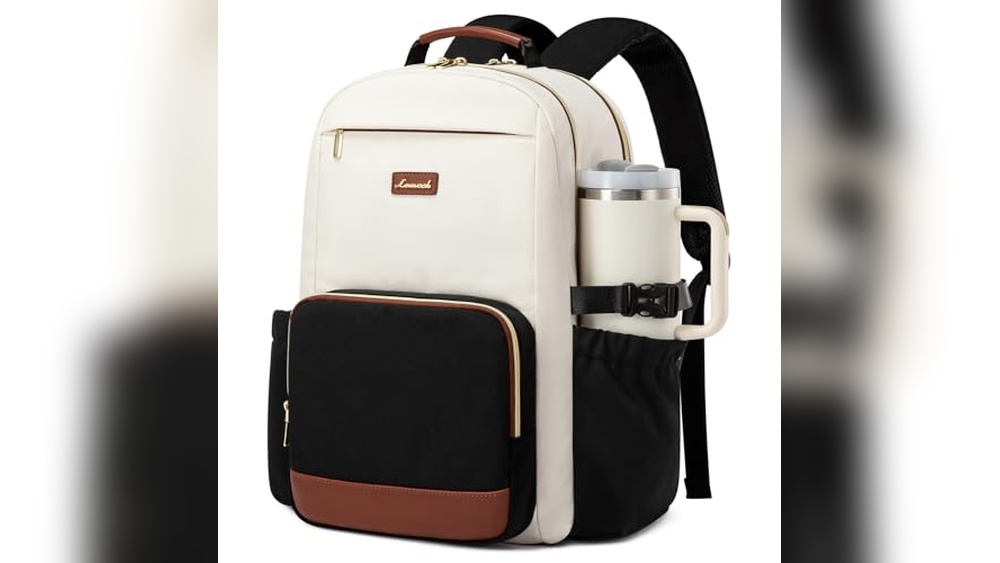
A good backpack is key. It usually costs between $100 and $300. Choose one that fits well and holds enough weight. A lightweight tent costs around $100 to $250. Sleeping bags range from $50 to $200 depending on the season. A sleeping pad adds comfort and costs about $30 to $100. Don’t forget a water filter or purifier; this costs $20 to $100. Cooking gear and a small stove add about $40 to $150.
Clothing And Footwear
Clothing must suit all weather conditions. Breathable shirts and waterproof jackets cost between $20 and $100 each. Durable hiking pants range from $30 to $80. Footwear is very important. Hiking boots cost $80 to $200, but they protect your feet well. Socks made for hiking cost about $10 to $20 per pair. Layering is key for cold or hot weather, so plan for multiple clothing pieces.
Tech And Safety Gear
Technology helps keep you safe and connected. A GPS device or smartphone with maps costs $100 to $400. Portable chargers add about $20 to $50. Headlamps or flashlights cost $15 to $50. First aid kits are essential and cost $10 to $40. Emergency whistles and multi-tools add small but useful costs, around $10 to $30 each. These items improve safety on the trail.
Daily Expenses To Consider
Backpacking across America means budgeting for daily expenses beyond just food and lodging. These costs can add up and affect your total trip budget. Planning for small but necessary items helps avoid surprises. Here are some key daily expenses to keep in mind.
Entertainment And Activities
Exploring new places often involves paid activities. Parks, museums, and tours may charge entry fees. Outdoor adventures like kayaking or biking might need rentals. Budget a small amount daily for fun and learning. Sometimes free events or nature walks offer great experiences without cost.
Communication And Connectivity
Staying connected is important for safety and planning. Consider costs for a phone plan or extra data. Wi-Fi is not always free or available. Charging devices may require buying power banks or adapters. These small expenses keep you reachable and informed on the road.
Health And Hygiene
Maintaining health is critical while traveling. Carry basic medicines for common issues like headaches or stomach upset. Hygiene items like soap, toothpaste, and wet wipes need replacement. Sometimes you must pay for showers or laundry services. These costs help you stay clean and healthy daily.
Saving Money On The Road
Saving money on the road is key to making your backpacking trip affordable. Small changes can add up to big savings. Stretching your budget helps you travel longer and enjoy more places.
Knowing where to find discounts, work options, and useful apps can cut your costs. These tips help you spend less on transport, food, and lodging.
Using Travel Passes And Discounts
Many cities and states offer travel passes for buses and trains. These passes lower the price for multiple rides. Buying a weekly or monthly pass saves money if you stay in one area.
Look for discounts for students, seniors, or military members. Some museums and parks also offer lower prices with certain IDs. Always ask about available discounts before buying tickets.
Volunteering And Work Exchanges
Volunteering can cover your accommodation or meals. Work exchanges let you trade a few hours of work for a place to stay. Farms, hostels, and community projects often need helpers.
This option keeps your costs down and offers a chance to meet locals. It also gives you new skills and a deeper travel experience.
Travel Apps And Resources
Travel apps help find cheap rides, places to sleep, and free activities. Some apps show last-minute deals or shared rides that cost less. Others connect travelers for room sharing or couch surfing.
Use apps for budgeting and tracking your daily expenses. This keeps you aware of how much you spend and helps avoid surprises.
Unexpected Costs And Emergencies
Backpacking across America brings many surprises, especially unexpected costs. These expenses can quickly add up and affect your budget. Planning for emergencies and extra costs keeps your trip smooth and stress-free. Here are common surprises you may face on the road.
Medical Emergencies
Health issues can arise anytime during your journey. A sudden injury or illness may require a visit to a clinic or hospital. Medical bills can be expensive without insurance. Carry basic first-aid supplies and consider travel insurance. This protects you from large, unexpected medical costs.
Gear Replacement
Your gear may break or get lost while traveling. A torn backpack, broken shoes, or a damaged tent needs quick replacement. These costs are often unplanned and urgent. Keep some extra money for gear repairs or new purchases. Quality gear can save money by lasting longer.
Travel Delays
Delays happen due to weather, transport issues, or other reasons. You might need extra food, accommodation, or transport during these times. These costs are not always budgeted but are necessary. Having a financial cushion helps you handle travel delays without worry.
Sample Budget Breakdown
Planning a backpacking trip across America means understanding the costs. A clear budget helps you prepare and avoid surprises. Here is a sample budget breakdown to guide your planning. It shows daily costs, total trip estimates, and how budgets change by travel style.
Daily Average Costs
Daily costs include food, lodging, transport, and small expenses. On average, expect to spend $40 to $70 per day. Food costs can be kept low by cooking or eating at cheap places. Hostels or camping sites help save on lodging. Public transport or hitchhiking lowers travel costs.
Total Trip Estimate
A typical backpacking trip across the U.S. lasts 3 to 4 months. Multiplying daily costs by 90 to 120 days gives a total range. Budget travelers spend around $3,600 to $8,400 for the whole trip. This depends on how often you move and where you stay. Planning ahead keeps the budget on track.
Budget Variations By Style
Backpacking styles vary from shoestring to moderate comfort. Shoestring travelers spend less by camping and cooking. Moderate travelers stay in hostels and eat out sometimes. More comfort means higher costs for hotels and meals. Choose a style that fits your budget and travel goals.
Frequently Asked Questions
How Much Does Backpacking Across America Cost?
Backpacking across America typically costs between $3,000 and $7,000. This depends on travel duration, accommodation, food, and activities. Budget travelers can spend less by camping and cooking. Those opting for convenience may spend more on hostels and transportation. Planning ahead helps control costs effectively.
What Are The Biggest Expenses On An American Backpacking Trip?
The largest expenses are usually accommodation, food, and transportation. Hostels or motels cost more than camping. Eating out increases food costs compared to cooking. Transportation varies by distance and mode, like buses or rental cars. Budgeting for these helps avoid surprises during your trip.
How Can I Save Money While Backpacking In America?
To save money, choose camping over hotels. Prepare your own meals instead of eating out. Use public transportation or hitchhiking safely. Travel in off-peak seasons to reduce costs. Planning routes efficiently also cuts fuel and transport expenses. These tips help stretch your travel budget.
Is $5,000 Enough For A Three-month American Backpacking Trip?
Yes, $5,000 can cover a three-month backpacking trip with careful budgeting. Prioritize affordable lodging like hostels or campsites. Cook meals and limit paid activities. Use public transport or hitchhike when safe. Track expenses daily to stay within budget. Flexibility is key for managing funds.
Conclusion
Backpacking across America takes planning and a clear budget. Costs vary depending on travel style and choices. You can save money by camping or cooking your own meals. Public transport and occasional rides help cut expenses. Always set aside extra funds for emergencies or fun activities.
This journey offers adventure and new experiences that last forever. Start small, plan well, and enjoy every step of the trip. America’s vast landscapes are waiting for you to explore.