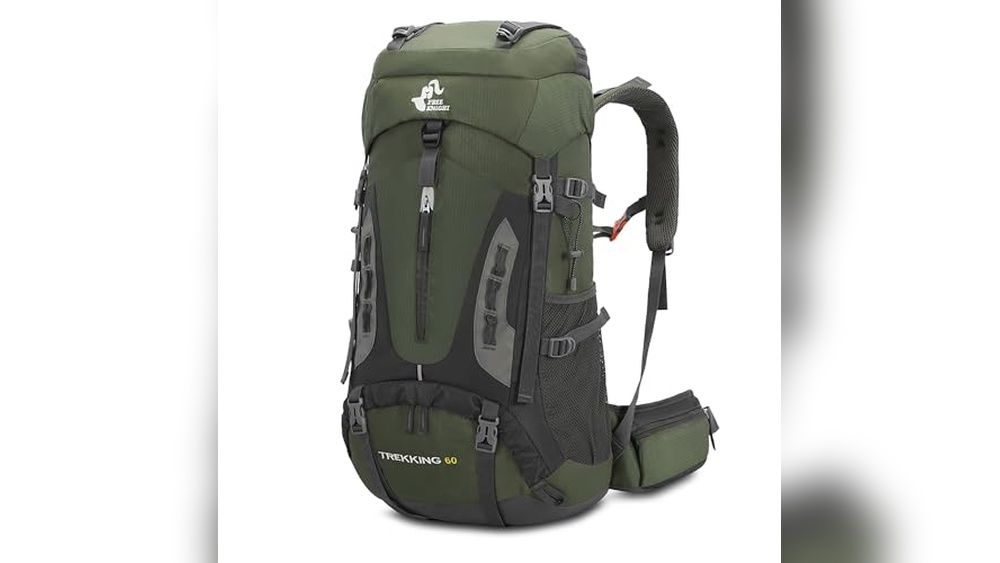
Have you ever found yourself needing to ask, “Where is your backpack?” In Spanish but didn’t know how to say it?
Imagine being in a new place, needing to find your friend’s backpack quickly, and having the right phrase at your fingertips. Learning this simple question can make your trip smoother and your conversations easier. You’ll discover exactly how to say “Where is your backpack?
” in Spanish, along with tips to remember it and use it confidently. Keep reading, and soon you’ll speak like a pro!
Basic Spanish Question Structure
Understanding basic Spanish question structure helps you ask questions clearly. Spanish questions often start with a question word or a verb. The word order changes from statements to questions. This shift makes the sentence a question. Learning this structure makes speaking Spanish easier.
Forming Simple Questions
Simple questions in Spanish usually start with a question word or a verb. The subject often comes after the verb. For example, “¿Dónde está tu mochila?” means “Where is your backpack?”
Notice that the question starts with “Dónde” (where). The verb “está” (is) follows the question word. The subject “tu mochila” (your backpack) comes last. This order is common in Spanish questions.
Common Question Words
Some common Spanish question words include:
- Qué – What
- Dónde – Where
- Cuándo – When
- Quién – Who
- Por qué – Why
- Cómo – How
Using these words helps you ask many everyday questions. Combine them with verbs for clear questions. For instance, “¿Qué es esto?” means “What is this?”
Key Vocabulary For Backpack
Learning key vocabulary helps you speak clearly about backpacks in Spanish. It makes asking questions easier and more natural. Knowing the right words builds confidence in conversations.
Spanish Words For Backpack
The most common word for backpack in Spanish is mochila. This word works in many Spanish-speaking countries. Another word is morral, used in some regions. Both mean a bag worn on the back. Saying ¿Dónde está tu mochila? means “Where is your backpack?”
Related Terms
Some useful related words include bolso (bag) and maleta (suitcase). Correas means straps, which hold the backpack on your shoulders. The word compartimento means compartment, where you keep items. Knowing these helps describe backpacks better.
Phrasing ‘where Is Your Backpack’ In Spanish
Knowing how to say “Where is your backpack?” in Spanish helps in many daily situations. It is useful for students, travelers, and anyone learning Spanish. This phrase can be said in different ways. Some are direct translations, while others are more polite or casual. Understanding these variations makes your Spanish sound natural and friendly.
Direct Translation
The direct translation of “Where is your backpack?” in Spanish is ¿Dónde está tu mochila? This sentence is simple and clear. It uses dónde for “where,” está for “is,” and tu mochila for “your backpack.”
You can use this phrase in most situations. It works well for quick questions or when you need a straightforward answer. The tone is neutral and easy to understand.
Polite And Casual Forms
Spanish changes based on how polite or casual you want to be. For polite speech, use ¿Dónde está su mochila? Here, su is a respectful form of “your.”
For casual talks with friends, say ¿Dónde tienes la mochila? This means “Where do you have the backpack?” and sounds more relaxed.
Choosing the right form shows respect and fits the situation. It also helps you connect better with Spanish speakers.
Practice Examples
Practice is the key to learning any language. Using “Where is your backpack?” in Spanish helps you remember the phrase better. It also shows you how to use it in real life. Below are examples to try out.
Try these practice examples often. They build your confidence and improve your speaking skills. Small steps lead to big progress.
Using The Phrase In Different Contexts
Use the phrase in many places. At school, ask a classmate: “¿Dónde está tu mochila?”
On a trip, ask a friend if they lost their backpack: “¿Dónde está tu mochila?”
In a store, ask a worker about your bag: “¿Dónde está mi mochila?”
Changing who you talk to or where you are helps you learn faster. Practice these small changes often.
Role-playing Scenarios
Role-play with a partner to make learning fun. One person asks, “¿Dónde está tu mochila?”
The other answers with different places: “Está en la clase,” or “Está en la casa.”
Try pretending to lose or find the backpack. Act surprised or happy when you find it.
This practice helps you speak naturally. It also makes it easier to remember words and phrases.
Common Mistakes To Avoid
Learning how to say “Where is your backpack?” in Spanish might seem simple. Yet, many learners make common mistakes that slow their progress. Avoiding these errors helps you speak more clearly and confidently. Focus on pronunciation and grammar to improve fast.
Pronunciation Tips
Spanish sounds differ from English. Pronouncing words clearly matters. For example, say dónde with a strong accent on the first syllable. Avoid softening the “d” sound. The word mochila means backpack. Stress the second syllable: mo-CHI-la.
Practice vowels carefully. Spanish vowels are short and crisp. “O” in dónde sounds like “oh,” not “ow.” Listen to native speakers and repeat often. This builds muscle memory and confidence.
Grammar Pitfalls
Spanish questions need the right word order. Saying ¿Dónde está tu mochila? is correct. Don’t say ¿Tu mochila dónde está? because it sounds odd.
Use the formal or informal “your” correctly. Tu is informal and su is formal. Choose based on who you talk to. Mixing these confuses listeners.
Remember the upside-down question mark ¿ at the start. It shows a question is coming. Leaving it out is a common mistake.
Additional Resources
Learning how to say “Where is your backpack?” in Spanish is just the start. Using extra resources helps you practice and remember better. These tools and materials give more chances to hear, speak, and read Spanish daily. They fit different learning styles and schedules.
Apps And Tools
Apps make practicing Spanish simple and fun. Duolingo offers short lessons that fit busy days. Memrise uses real-life videos for better understanding. Google Translate helps with quick word and phrase checks. Anki flashcards support long-term memory through repetition. These tools help build confidence in speaking and listening.
Recommended Spanish Learning Materials
Books and guides give clear explanations and examples. “Easy Spanish Step-By-Step” is great for beginners. Children’s books in Spanish introduce simple words and sentences. Audio courses like Pimsleur teach speaking and pronunciation. Watching Spanish movies with subtitles improves listening skills. Using these materials helps make learning steady and strong.
Frequently Asked Questions
How Do You Say “where Is Your Backpack?” In Spanish?
In Spanish, you say “¿Dónde está tu mochila? ” To ask “Where is your backpack? “. It is a common phrase for beginners.
Can I Use A Formal Version Of This Question In Spanish?
Yes, the formal version is “¿Dónde está su mochila? “. Use it to show respect or in formal settings.
How Do You Pronounce “¿dónde Está Tu Mochila?” Correctly?
Pronounce it as “DON-day es-TAH too mo-CHEE-yah”. Practice slowly and clearly for better understanding.
Is “mochila” The Only Word For Backpack In Spanish?
Yes, “mochila” is the most common and widely understood word for backpack in Spanish.
Conclusion
Now you know how to ask “Where is your backpack? ” In Spanish. Practice this phrase to feel more confident. It helps you start simple conversations easily. Speaking small sentences builds your language skills step by step. Try using it when you talk to Spanish speakers.
Little by little, your understanding will grow. Keep practicing and enjoy learning new words every day. This phrase is a useful tool for travel or school. Remember, practice makes speaking easier and more natural. You are ready to use this sentence anytime!