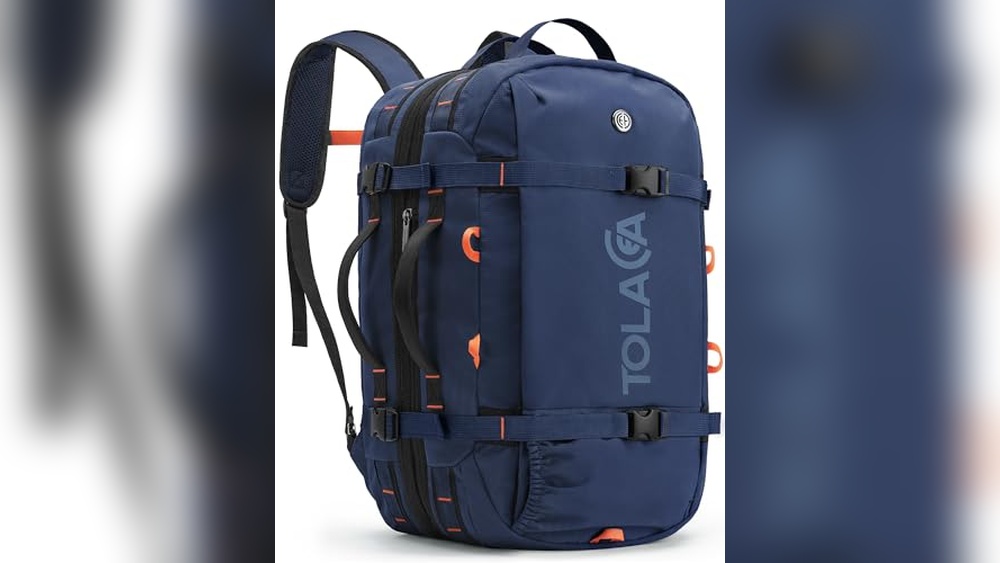
Backpacking in high humidity can be tough. You know how sticky and uncomfortable it feels when the air is thick and heavy.
But what if you could stay cool, dry, and energized no matter how humid it gets? This guide will show you simple, smart tips to make your backpacking trips easier and more enjoyable. Keep reading, and you’ll learn how to beat the sweat, avoid common mistakes, and feel great every step of the way.
Your next adventure in humid conditions just got a whole lot better.
Choosing Breathable Clothing
Choosing breathable clothing is essential for backpacking in high humidity. It helps keep your body cool and dry during long hikes. Breathable clothes allow air to flow and sweat to evaporate. This reduces discomfort and the risk of skin problems. Picking the right materials makes a big difference in your comfort and safety.
Lightweight Fabrics
Lightweight fabrics feel less heavy on your skin. They allow more air to pass through. Thin cotton or nylon shirts work well. They do not trap heat, so you stay cooler. Avoid thick or heavy materials that hold sweat and heat.
Moisture-wicking Materials
Moisture-wicking fabrics pull sweat away from your skin. This keeps you dry and helps regulate body temperature. Polyester and merino wool are good choices. They dry quickly and reduce chafing. Choose clothes labeled as moisture-wicking for best results.
Quick-drying Options
Quick-drying clothes prevent dampness that causes discomfort. They dry fast after rain or sweat. Nylon and polyester dry faster than cotton. This stops clothes from feeling sticky or heavy. Pack quick-drying shirts and pants for high humidity hikes.
Packing Smart Gear
Packing smart gear is key for backpacking in high humidity. The right gear keeps you dry, comfortable, and light. Choosing items that handle moisture well helps prevent discomfort and weight gain. Smart packing saves energy and keeps your trip enjoyable.
Water-resistant Backpacks
Water-resistant backpacks protect your belongings from damp air and sudden rain. They stop moisture from soaking your clothes and electronics. Look for backpacks with coated fabrics and sealed zippers. A water-resistant pack makes carrying gear safer and easier in humid places.
Ventilated Footwear
Ventilated footwear lets your feet breathe and dry faster. Shoes with mesh panels or holes allow air flow. This reduces sweat and stops blisters or fungal infections. Lightweight sandals or hiking shoes with good ventilation work best in humid weather.
Compact Rain Protection
Compact rain protection means carrying small, packable rain gear. Rain jackets and ponchos made from thin, waterproof materials fit easily in your bag. They keep you dry without adding much weight. Always have rain protection ready to avoid getting soaked and cold.
Managing Sweat And Moisture
Sweat and moisture are the biggest challenges while backpacking in high humidity. Managing them well can make your trip much more comfortable. Staying dry helps avoid skin irritation and keeps your gear fresh. Simple habits and the right tools can reduce sweat and moisture problems.
Using Antiperspirants
Antiperspirants reduce sweat by blocking sweat glands. Apply them at night for best results. Choose a strong, long-lasting formula. Focus on areas like underarms and feet. Reapply after heavy sweating or long hikes. This helps control sweat and reduces body odor.
Carry Towels And Wipes
Small towels and wipes help you stay fresh. Use quick-dry towels made from microfiber. Wipe sweat off your face and neck often. Wet wipes clean your skin and reduce bacteria. Carry enough wipes for the whole day. These items are light and easy to pack.
Frequent Clothing Changes
Changing clothes regularly prevents sweat buildup. Pack extra moisture-wicking shirts and underwear. Swap sweaty clothes during breaks or camp setup. Dry clothes keep your skin dry and cool. Avoid cotton as it holds moisture. Quick-dry fabrics are best for humid conditions.
Staying Hydrated And Nourished
Backpacking in high humidity can drain your body fast. Staying hydrated and nourished is key to keep your energy up and avoid heat exhaustion. Drinking enough water and eating the right foods help your body handle sweat and heat better.
Planning your hydration and snacks carefully makes a big difference on humid trails. Small choices add up to a safer, more enjoyable trip.
Hydration Strategies
Drink water often, even if you don’t feel thirsty. Sweat hides dehydration signs. Carry a water bottle or hydration pack for easy access. Sip small amounts regularly instead of gulping large amounts. Refill your water supply whenever possible. Avoid sugary drinks that can cause stomach upset.
Electrolyte Balance
Sweat causes loss of salt and minerals called electrolytes. Replace them to avoid muscle cramps and fatigue. Use electrolyte tablets or powders in your water. Snack on salty foods like nuts or pretzels. Balanced electrolytes help your body stay strong and hydrated.
Light And Energy-rich Snacks
Choose snacks that are easy to carry and eat. Nuts, dried fruits, and energy bars provide quick fuel. Avoid heavy, greasy foods that slow digestion. Small, frequent snacks keep your energy steady. Keep snacks in airtight bags to prevent moisture damage.
Planning Your Route And Timing
Planning your route and timing is key for backpacking in high humidity. It helps you stay comfortable and safe. Good planning reduces sweat and fatigue. It also keeps your energy up for the whole trip.
Choosing the right time and path makes a big difference. You can avoid the worst heat and moisture. This means less risk of heat exhaustion and skin irritation. Smart timing and route choices help you enjoy nature more.
Avoiding Peak Humidity Hours
Humidity is highest during midday and early afternoon. Plan your hiking for early morning or late afternoon. These times are cooler and less sticky. Avoid hiking between 11 a.m. and 4 p.m. This reduces sweating and dehydration risks. Early starts give you more energy and comfort.
Selecting Shaded Trails
Pick trails with lots of tree cover. Shade helps block direct sunlight and lowers heat. Forested paths keep the air cooler and more breathable. Avoid open trails that expose you to sun. Shaded routes help keep your skin dry and cool. They also reduce the chance of sunburn.
Setting Realistic Daily Goals
Humidity makes hiking harder and more tiring. Set shorter distances each day. Go at a slower, steady pace. Take regular breaks in the shade to cool down. Listen to your body and rest if needed. Realistic goals prevent exhaustion and keep you safe.
Protecting Skin And Health
Backpacking in high humidity can be tough on your skin and health. Sweat and moisture increase the risk of irritation and illness. Protecting your skin and body is vital for a safe and enjoyable trip.
Sun Protection Tips
Use sunscreen with at least SPF 30. Apply it every two hours, even if cloudy. Wear a wide-brimmed hat to shield your face and neck. Choose lightweight, long-sleeve shirts to cover your skin. Sunglasses protect your eyes from UV rays.
Preventing Heat-related Illness
Drink water often, even if not thirsty. Rest in shaded spots to cool down. Avoid heavy meals that raise body heat. Dress in breathable clothes that dry fast. Know the signs of heat exhaustion: dizziness, headache, and weakness.
Insect Repellent Use
Apply insect repellent to exposed skin and clothing. Use repellents with DEET or picaridin for best results. Avoid areas with standing water where mosquitoes breed. Check your body for ticks after hiking. Clean any bites promptly to prevent infection.
Maintaining Gear In Humid Conditions
Maintaining gear in humid conditions is crucial for a successful backpacking trip. High humidity causes moisture buildup that can damage your equipment. Proper care helps extend the life of your gear and keeps it ready for use. This section covers simple steps to protect your backpacking items from moisture problems.
Drying Equipment Overnight
Always dry your gear overnight to prevent dampness. Hang tents, clothes, and sleeping bags in a well-ventilated area. Avoid leaving items in sealed bags or tight spaces. Use a mesh bag or hang items on a line if possible. Let fresh air reach all parts of the gear for faster drying.
Preventing Mold And Mildew
Mold and mildew thrive in wet, humid environments. Store gear in dry, breathable bags or containers. Use silica gel packs or moisture absorbers inside your backpack. Wipe down wet equipment before packing it away. Clean gear regularly with mild soap and water to stop mold growth early.
Regular Gear Inspection
Check your gear often for signs of damage or mold. Look inside tents, bags, and shoes for hidden moisture. Repair small tears or holes quickly to avoid bigger problems. Replace worn-out items that no longer protect against humidity. Regular checks keep your gear safe and reliable on the trail.
Frequently Asked Questions
What Gear Is Best For Backpacking In High Humidity?
Choose lightweight, moisture-wicking clothing and quick-dry fabrics. Use waterproof backpacks and pack rain covers. Avoid heavy cotton, as it traps moisture and slows drying. Bring breathable shoes and moisture-absorbing socks to keep feet dry and comfortable.
How To Prevent Sweat Discomfort While Backpacking Humid Areas?
Wear moisture-wicking base layers and breathable outerwear to reduce sweat buildup. Use antiperspirant on key sweat zones. Stay hydrated and take frequent breaks in shade. Avoid tight clothing to improve air circulation and reduce chafing.
What Are Essential Tips For Packing In Humid Climates?
Pack light to minimize sweating and fatigue. Use dry bags to protect electronics and clothes. Bring quick-dry towels and multiple changes of underwear. Prioritize ventilation in your tent and gear to reduce mold and mildew.
How To Maintain Hygiene During Humid Backpacking Trips?
Use biodegradable wipes and quick-dry towels to stay clean. Change socks daily to prevent fungal infections. Apply insect repellent to avoid bites, which worsen in humidity. Store wet clothes separately to avoid odors and bacteria.
Conclusion
Backpacking in high humidity needs smart choices and careful planning. Keep your gear light and dry to stay comfortable. Choose breathable clothes that help sweat evaporate quickly. Drink plenty of water to stay fresh and alert. Take breaks in shaded or cool spots often.
Watch your pace to avoid overheating or exhaustion. These tips help you enjoy your trip without worry. Stay prepared, stay safe, and enjoy the adventure ahead.