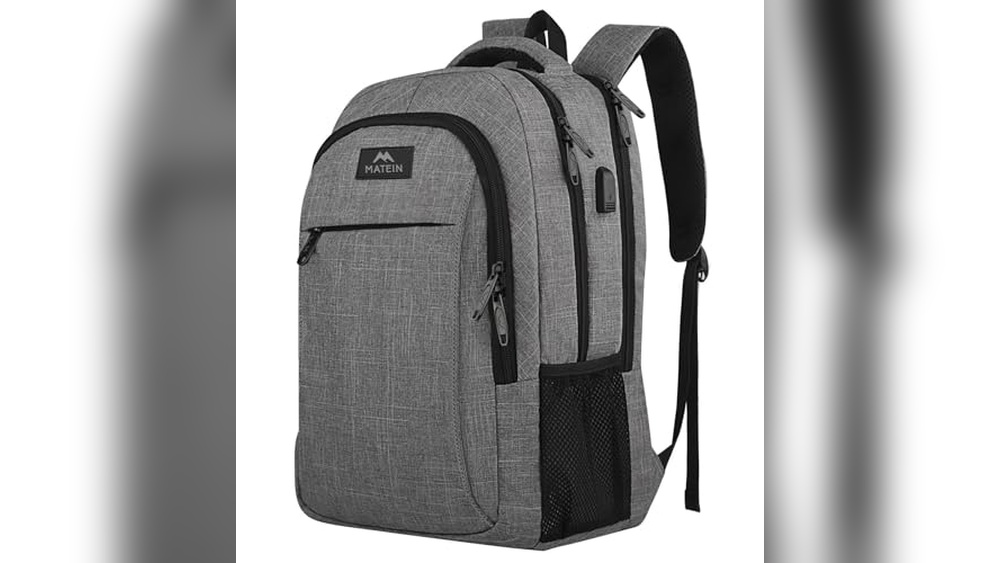
Planning a month-long trip means packing smart, but how do you decide how many liters your backpack should hold? Choosing the right size can make or break your travel experience.
Too small, and you’ll struggle to fit everything you need. Too big, and you’ll carry unnecessary weight that tires you out. You’ll discover exactly how to find the perfect backpack size for your month-long adventure. Keep reading to make your packing easier, lighter, and stress-free.
Choosing Backpack Size
Picking the right backpack size is key for a month-long trip. Too small, and you may leave important items behind. Too large, and you carry unnecessary weight. The right size fits your gear and travel style. It makes your journey easier and more comfortable.
Understanding what affects backpack capacity helps you decide well. Capacity is measured in liters, showing how much space is inside. Different trips need different sizes. Knowing the difference helps you pack smart and travel light.
Factors Influencing Capacity
Your packing list shapes the backpack size you need. Clothes, gear, and extras like electronics take up space. Weather matters too. Cold or rainy trips need more layers and gear. Travel style also plays a role. Minimalists need less space. Those who like to carry more will want bigger bags.
Trip duration affects size choice. One month means enough room for essentials without overload. Access to laundry or resupply points can reduce needed volume. Some travelers prefer packing light and washing clothes often. Others carry everything to avoid stops. These choices change the backpack size required.
Daypacks Vs. Multi-day Backpacks
Daypacks are small, usually under 35 liters. They fit daily essentials and short hikes. Not ideal for month-long trips unless you use them as a carry-on or secondary bag. Multi-day backpacks range from 40 to 70 liters or more. They hold clothes, sleeping gear, and food for several days.
For a month trip, a multi-day backpack is best. It offers enough space and comfort for long travel. Look for adjustable straps and padded support. This reduces strain on your back. A good fit helps carry weight better and makes travel more enjoyable.
Estimating Volume Needs
Estimating the volume needs for a month-long trip backpack is key to packing smart. You want enough space for essentials without carrying too much weight. Planning helps you choose the right backpack size and avoid last-minute surprises. Think about what you really need and how much space each item will take.
Clothing Requirements
Clothes take up a large part of your backpack. Pack versatile pieces that you can mix and match. Choose lightweight fabrics that dry quickly and don’t wrinkle. Count the number of outfits you need for different weather conditions. Remember to include underwear, socks, and a jacket or raincoat. Rolling clothes saves space and reduces wrinkles.
Gear And Equipment
Gear size depends on your trip activities. Include items like a sleeping bag, tent, or camera. Small gadgets and chargers also need space. Organize gear in packing cubes or pouches for easy access. Think about the bulk and weight of each piece. Only bring equipment you will actually use to save room.
Food And Water Storage
Food and water containers vary in size. Plan meals that use lightweight, compact items. Use resealable bags or small containers to store food. Carry a water bottle or hydration pack that fits your needs. Keep some extra space for snacks and emergency rations. Proper storage keeps food fresh and prevents spills.
Packing Tips
Packing for a month-long trip can feel challenging. Choosing the right backpack size is important. So is packing smart to fit everything you need. These packing tips help you organize your gear efficiently. Save space and carry your backpack with ease.
Maximizing Space
Start by laying out all your items. Use packing cubes to keep things tidy. Roll your clothes instead of folding them. This saves room and reduces wrinkles. Place smaller items inside shoes or corners. Pack heavier items at the bottom of the backpack.
Weight Distribution
Keep the weight close to your back. This helps balance and reduces strain. Put heavy gear near your spine. Lighter items go towards the outside and top. Adjust straps to fit your body shape. A well-balanced pack feels lighter to carry.
Compression Techniques
Use compression bags to reduce bulky clothes. Press out extra air before sealing them. Tighten backpack straps to compress contents. This keeps items from shifting during walking. Compression creates extra space for essentials. It also keeps your pack stable and neat.
Backpack Features To Consider
Choosing the right backpack for a month-long trip is very important. The right features make your travel easier and more comfortable. Some features help keep your things organized, while others protect your backpack from damage. Comfort is also key when you carry your backpack for many hours.
Focus on features that suit your trip and personal needs. This guide helps you understand what to look for in a backpack.
Compartments And Accessibility
Many compartments help organize clothes, gadgets, and documents. Easy access to main pockets saves time during travel. Some backpacks have side pockets for water bottles or umbrellas. Quick access compartments keep essentials like passports or tickets ready. Look for zippers that open wide to reach all items easily.
Material And Durability
Strong, water-resistant materials protect your belongings from rain and dirt. Nylon and polyester are common durable fabrics. Reinforced stitching increases backpack strength and lifespan. Choose materials that resist tears and scratches. A tough backpack holds up well during long trips and rough handling.
Comfort And Support
Padded shoulder straps reduce pressure on your shoulders. Adjustable straps help fit the backpack to your body. A padded back panel adds comfort and breathability. Some backpacks have waist belts to spread weight evenly. Good support keeps you comfortable even after walking long distances.
Popular Backpack Sizes For Month Trips
Choosing the right backpack size for a month-long trip matters. It affects your comfort and how much you can carry. Backpacks come in various sizes designed for different needs. Understanding popular sizes helps pick the best one for your journey.
Each size fits a certain amount of gear and clothing. The right size depends on your packing style and trip activities. Here are common backpack sizes for month trips.
40-50 Liters
This size fits travelers who pack light. It holds clothes, a few essentials, and small gear. Great for warm climates or minimalists. Easy to carry and fits most airline carry-on rules. Offers enough space without feeling bulky.
50-65 Liters
Ideal for those who want extra space. Fits more clothes, gadgets, and some bulky items. Suitable for mixed weather or longer trips. Allows packing layers and extra shoes. Still manageable to carry on your back.
65+ Liters
Designed for heavy packers or cold weather trips. Holds camping gear, thick clothing, and food supplies. Best for adventurous travelers needing all essentials. Larger size means more weight and bulk. Requires good physical strength and packing skills.
Adjusting For Trip Type
Choosing the right backpack size depends on the type of trip you plan. Different trips need different gear and space. Adjusting your backpack’s liters for the trip type helps keep your load light and manageable. Let’s explore how trip type affects backpack size.
Urban Vs. Wilderness
Urban trips need less gear than wilderness trips. In cities, you can buy or wash clothes easily. A 30 to 40-liter backpack usually works well. Wilderness trips require more supplies like food, water, and camping gear. For these, a 50 to 70-liter pack is better. You must carry everything you need. Space for sleeping bags, tents, and cooking tools is essential.
Climate Considerations
Warm climates call for lighter clothing and less bulky gear. A smaller pack, around 30 to 45 liters, often fits the need. Cold climates require heavier clothes and extra layers. You need more space for jackets, gloves, and hats. Packs between 50 and 70 liters give enough room. Always think about packing gear for rain or snow. These add bulk and need space too.
Solo Vs. Group Travel
Solo travelers carry all their gear alone. Larger backpacks of 50 to 70 liters help carry everything. Group travelers can share bulky items like tents and cooking gear. Each person may need a smaller pack, around 30 to 50 liters. Sharing gear reduces your load. This means less weight on your back and more comfort.
Frequently Asked Questions
How Many Liters Backpack Is Ideal For A Month Trip?
A 40 to 60-liter backpack is ideal for a month-long trip. It offers enough space for clothes, gadgets, and essentials. This size balances capacity and portability for comfortable travel.
Can I Carry A Smaller Backpack For A Month Trip?
Yes, a smaller 30 to 40-liter backpack can work if you pack light. Prioritize multi-use items and quick-dry clothes. It’s best for minimalist travelers or those with laundry access.
What Factors Affect Backpack Size For A Month Trip?
Factors include climate, activities, and personal packing style. Cold weather needs bulkier clothes, increasing volume. Adventure gear or tech gadgets also require more space. Plan based on your specific trip needs.
How To Pack Efficiently For A Month-long Trip?
Roll clothes tightly and use packing cubes for organization. Choose lightweight, versatile items to save space. Limit shoes and accessories. Efficient packing maximizes your backpack’s capacity and comfort.
Conclusion
Choosing the right backpack size makes your trip easier. Around 40 to 60 liters usually works well for a month. This size fits clothes, gear, and essentials comfortably. Avoid carrying too much weight to stay comfortable while traveling. Think about the weather and activities planned.
Pack smart and keep only what you need. A good backpack helps you enjoy the journey more. Travel light, travel happy.