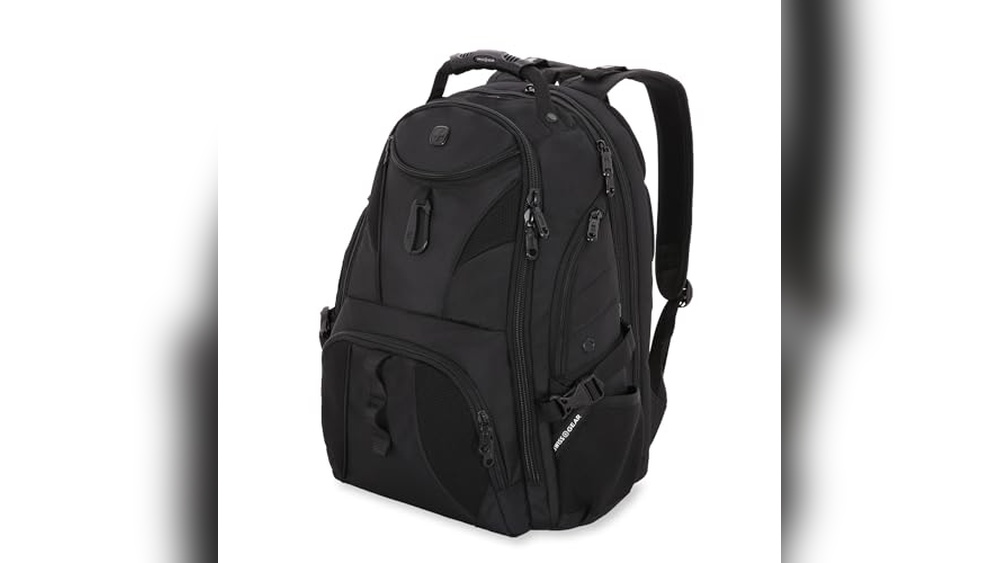
You love capturing moments on the go, but carrying your camera inside your backpack can be a hassle. Wouldn’t it be easier if you could attach your camera securely to your backpack?
Imagine having quick access to your camera without fumbling through your bag or risking damage. You’ll discover simple, effective ways to attach your camera to your backpack. Whether you’re hiking, traveling, or just out for a walk, these tips will keep your camera safe and ready to shoot.
Keep reading to learn how to make your photography adventures smoother and more enjoyable.
Choosing The Right Backpack
Choosing the right backpack is important for carrying your camera safely and comfortably. A good backpack protects your gear and makes it easy to access your camera. It should fit your needs and support your photography style.
Backpack Features For Camera Gear
A backpack designed for cameras has padded compartments to protect lenses and bodies. Adjustable dividers help organize your gear and keep it secure. Some backpacks have quick-access pockets for easy reach to your camera. Look for straps or clips to attach a tripod or extra accessories. Ventilation and padded straps add comfort during long walks or hikes.
Material And Durability
Choose a backpack made from strong, water-resistant material. This protects your camera from rain and dust. Durable zippers and reinforced stitching increase the backpack’s lifespan. Lightweight fabrics reduce the load, but must still offer good protection. Check for scratch-resistant surfaces to keep your gear safe. A tough backpack keeps your camera safe in different weather and rough use.
Types Of Camera Attachment Methods
Attaching a camera to a backpack can be done in several ways. Each method suits different needs and gear types. Choosing the right one keeps your camera safe and easy to reach. Below are common types of camera attachment methods.
Strap Attachments
Strap attachments use the backpack’s existing straps to secure your camera. You can loop the camera strap around shoulder or side straps. This method keeps the camera close and steady. It works well for lightweight cameras and quick access.
Some backpacks have built-in loops designed for camera straps. You can adjust the tightness to prevent movement. Strap attachments are simple and do not need extra gear.
Clip And Carabiner Options
Clips and carabiners offer a quick way to attach your camera. You clip the camera’s strap or case to a loop or ring on the backpack. This method is fast and flexible for changing gear.
Carabiners add extra security with a locking mechanism. They hold the camera firmly during hikes or travel. Use clips designed for camera gear to avoid damage.
Dedicated Camera Compartments
Some backpacks include special compartments made for cameras. These sections have padding to protect your gear from bumps. They keep the camera safe inside the bag when not in use.
Dedicated compartments often have quick access zippers. This allows you to grab your camera without opening the whole backpack. Ideal for serious photographers who carry multiple lenses and accessories.
Preparing Your Camera For Attachment
Preparing your camera for attachment is an important step before securing it to your backpack. It helps protect the camera and keeps it safe during travel. Taking a few simple actions can prevent damage and make carrying easier. Proper preparation also ensures quick access to your camera when you need it.
Using Protective Covers
Protective covers guard your camera against scratches and dirt. Use a padded camera case or wrap the camera in a soft cloth. A lens cap is essential to protect the lens from dust and impacts. Covers add a layer of safety while you move. They also keep your camera dry during light rain or dust.
Securing Camera Straps
Check your camera straps before attaching the camera to your backpack. Tighten any loose straps to prevent swinging or slipping. Use strong clips or carabiners to attach the straps firmly. Secure straps help keep the camera stable and reduce damage risk. Neatly wrap excess strap length to avoid tangling. This keeps your camera ready to use at any moment.
Step-by-step Attachment Guide
Attaching a camera to your backpack keeps it safe and ready to use. This guide shows simple steps for a secure attachment. Follow these tips for easy carrying during your adventures.
Attaching With Straps
Locate the straps on your backpack designed for gear. Slide the camera strap through these loops carefully. Tighten the strap so the camera stays in place. Make sure it does not move or swing. Check the strap’s strength to hold the camera’s weight.
Using Clips Safely
Use clips to attach the camera to backpack loops. Choose clips that lock tightly and do not open easily. Attach the clip to the camera’s strap or case. Hook it onto a sturdy loop on your backpack. Test the clip by gently tugging the camera to ensure safety.
Placing Camera In Compartments
Find a padded compartment inside your backpack. Place the camera gently inside to protect it from bumps. Use dividers to keep it from moving around. Close the compartment securely before you start walking. This method keeps the camera safe and easy to reach.
Tips For Extra Security
Keeping your camera safe while attached to a backpack is very important. Extra security helps protect your gear from bumps and drops. It also stops the camera from moving too much during your walk or hike.
Use simple ways to add padding and stabilizers. These make your camera stay steady and reduce damage risks. Also, safety cords act as a backup to stop your camera from falling.
Adding Padding And Stabilizers
Place soft padding around the camera mount area. Foam or sponge pieces work well. Padding absorbs shocks and prevents scratches. Attach small stabilizers to limit camera movement. These keep the camera firm on the backpack. Use adjustable straps to tighten the camera in place. This reduces swinging and keeps the camera close to your body.
Using Safety Cords
Connect a strong safety cord from the camera to your backpack. Use a carabiner clip or loop for easy attachment. The cord catches the camera if it slips from the mount. Choose cords made of durable material like nylon. Check the cord often for signs of wear or damage. Replace the cord if it looks weak or frayed. Safety cords give extra peace of mind on rough paths.
Maintaining Camera Safety On The Go
Keeping your camera safe while traveling is very important. A camera can be fragile and costly. Protecting it helps you avoid damage and loss. A good attachment method on your backpack keeps the camera secure. It also gives quick access when you need to take photos. Let’s explore how to maintain camera safety on the go.
Regular Checks During Travel
Check your camera attachment often. Look for loose straps or clips. Tighten any parts that feel weak. Small adjustments can prevent big problems. Also, inspect the camera case for damage. Replace worn-out parts immediately. This keeps the camera stable and safe. Regular checks stop accidents before they happen.
Avoiding Common Attachment Mistakes
Do not overload your backpack. Too much weight can break straps. Avoid hanging the camera where it swings freely. Sudden movements can cause damage. Use padded straps to reduce pressure. Keep the camera away from sharp objects. Avoid placing it where rain can reach easily. These simple steps protect your camera better.
Alternative Carrying Solutions
Attaching a camera to a backpack is not the only way to carry it. Alternative carrying solutions offer comfort and quick access. These options suit different styles and needs. They keep your camera safe and ready for action.
Camera Slings
Camera slings hang across your body. They spread the weight evenly, reducing strain on your neck. Slings allow fast camera access without removing the pack. You can swing the camera in front for quick shots. Many slings have padded straps for extra comfort. They fit well for casual walks or urban photography.
Chest And Waist Packs
Chest and waist packs keep your camera close to your body. They offer stability during movement and protect the camera from bumps. Waist packs free up your shoulders and back. Chest packs provide easy reach while hiking or biking. Both options have compartments for lenses and accessories. They work great for active photographers who need quick access.
Frequently Asked Questions
How Do You Securely Attach A Camera To A Backpack?
Use a dedicated camera clip or carabiner to fasten your camera to backpack straps. Ensure it’s tight to prevent swinging or dropping during movement.
What Is The Best Strap For Backpack Camera Attachment?
A quick-release camera strap or a padded sling strap works best. These provide comfort, ease of access, and secure attachment while hiking or traveling.
Can I Attach A Camera Inside The Backpack?
Yes, use a padded camera insert or compartment inside your backpack. It protects your camera from damage and keeps it easily accessible.
How To Avoid Camera Scratches When Attached To A Backpack?
Use a soft protective case or wrap your camera lens with a microfiber cloth. This prevents scratches and protects your gear during outdoor activities.
Conclusion
Attaching a camera to a backpack keeps your hands free and gear safe. Choose the right straps or clips that fit your camera well. Make sure the camera stays secure and does not bounce around. Adjust the attachment for comfort during walks or hikes.
Check the setup often to avoid damage or loss. This simple step helps you capture moments easily while on the move. Keep your camera ready and enjoy your adventures without hassle.