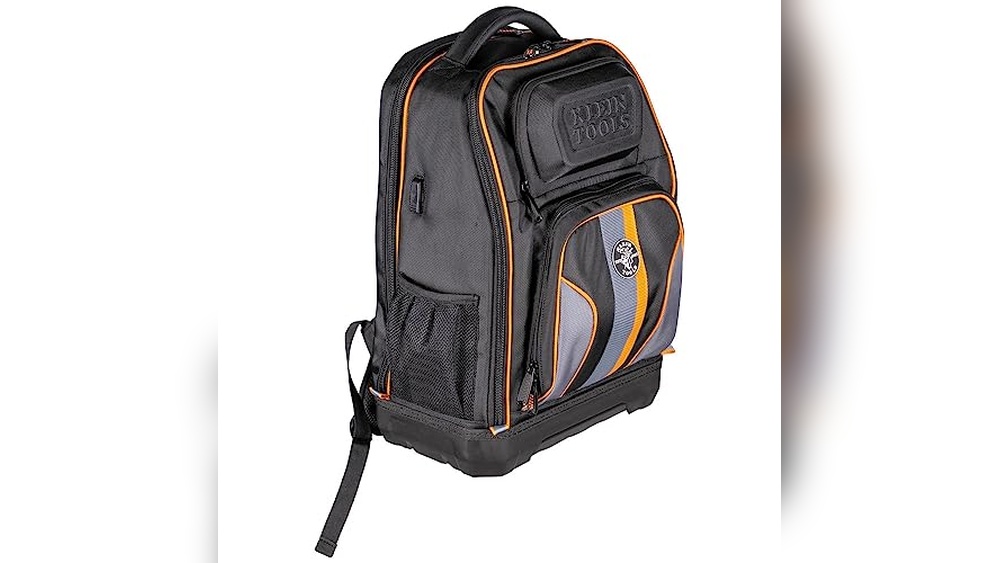
Have you ever wished your backpack had just a little more space? Maybe an extra pocket to keep your keys, phone, or snacks within easy reach?
Adding on backpack pockets can be a simple and affordable way to make your bag work better for you. In this guide, you’ll discover easy steps to customize your backpack, so it fits your needs perfectly. Keep reading, and you’ll learn how to upgrade your backpack without spending a fortune or buying a new one.
Your perfect, organized backpack is closer than you think!
Choosing The Right Pocket
Choosing the right pocket for your backpack is important. It changes how useful your backpack becomes. A good pocket keeps your things safe and easy to reach. You need to think about what you carry and how you use your backpack. This helps you pick pockets that fit your needs perfectly.
Types Of Backpack Pockets
There are many types of pockets. Some are zippered for security. Others are open for quick access. Mesh pockets hold water bottles well. Small pockets are good for keys or cards. Choose pockets that match what you carry most.
Materials To Consider
Pocket materials affect durability and style. Nylon and polyester are strong and light. Leather looks nice but adds weight. Mesh is stretchy and breathes well. Think about weather too. Waterproof materials keep things dry.
Size And Placement Options
Size matters for pocket use. Big pockets hold bulky items. Small pockets keep tiny things safe. Placement changes how easy pockets are to reach. Side pockets are great for bottles. Front pockets hold things you need fast. Decide based on your daily needs.
Gathering Your Tools
Before adding pockets to your backpack, gather all necessary tools. Having the right supplies makes the project easier and more fun. Prepare your workspace to stay organized and focused.
Essential Sewing Supplies
You need strong thread that matches your backpack’s color. Choose heavy-duty needles for thick fabric. A pair of sharp scissors is crucial for clean cuts. Pins or clips hold fabric pieces together. A sewing machine speeds up the process but hand sewing works too.
Optional Accessories
Consider fabric glue for extra hold. Use a seam ripper to fix mistakes. Iron and ironing board help flatten fabric. Chalk or fabric markers make clear sewing lines. Patches or fabric pieces for pocket decoration add style.
Workspace Setup Tips
Find a flat, well-lit surface to work on. Keep all tools within arm’s reach. Use a cutting mat to protect your table. Organize supplies in small containers or trays. Good lighting reduces eye strain and mistakes.
Preparing The Backpack
Preparing your backpack before adding new pockets is very important. It makes sure the pockets stay secure and last longer. Taking time to prepare helps avoid mistakes and makes the process easier.
Cleaning The Surface
Start by cleaning the area where you want to attach the pocket. Use a damp cloth to remove dirt and dust. Let the backpack dry completely before moving on. A clean surface helps glue or stitches hold better.
Marking Pocket Position
Decide where the pocket will go on your backpack. Use a pencil or fabric chalk to mark the spot lightly. Check the position from different angles to be sure. Correct placement makes the pocket easy to use and balanced.
Reinforcing Attachment Area
Strengthen the area where you will attach the pocket. Sew a small patch or use extra fabric on the inside. This adds support and stops the backpack from tearing. Reinforcement keeps your new pocket safe and strong.
Attaching The Pocket
Attaching a pocket to a backpack is a practical way to increase storage space. This process can be done using different methods depending on your tools and skills. Choose a method that fits your needs and materials. Each technique offers a unique way to secure the pocket firmly.
Sewing Techniques
Sewing is a strong and lasting way to attach a pocket. Use a heavy-duty needle and thread made for fabric. Stitch the edges of the pocket to the backpack carefully. Use a straight or zigzag stitch for better hold. Double stitch the corners to prevent tearing. This method works well for fabric backpacks and adds durability.
Using Adhesive Options
Adhesive options are easy and quick for attaching pockets. Use fabric glue or iron-on adhesive tape designed for textiles. Apply the adhesive evenly on the pocket’s back side. Press the pocket firmly on the backpack and let it dry. This method suits light pockets and quick fixes. Avoid heavy items as glue may not hold strong.
Securing With Straps Or Clips
Straps or clips offer a flexible way to attach pockets. Sew or glue loops on the pocket and backpack. Use clips, carabiners, or Velcro straps to connect them. This method allows easy removal and repositioning. Ideal for outdoor or travel backpacks. Make sure straps are tight to avoid loose pockets.
Finishing Touches
Finishing touches make your new backpack pockets look neat and last longer. This stage ensures the pockets fit well and work perfectly. Small steps here improve the overall quality and appearance.
Trimming Excess Material
Cut away extra fabric carefully. Leave about a quarter inch near the seams for strength. Use sharp scissors to get clean edges. This step stops the fabric from bunching or fraying later.
Testing Pocket Durability
Pull and press the pocket gently to check its hold. Fill it with items like keys or snacks. See if the stitches hold or if the fabric tears. Fix weak spots with extra stitches to avoid damage.
Adding Decorative Elements
Decorations give your backpack a personal touch. Sew on patches, buttons, or ribbons. Use simple designs that fit your style. Keep decorations secure so they do not fall off during use.
Maintenance Tips
Adding pockets to your backpack is useful. Keeping them in good shape makes them last longer. Regular care keeps your pockets strong and clean. Follow these simple tips to maintain your added pockets.
Cleaning Attached Pockets
Remove dirt and dust often. Use a soft brush or cloth. Spot clean with mild soap and water. Avoid harsh chemicals that can damage fabric. Let pockets air dry completely before use.
Repairing Wear And Tear
Check pockets regularly for holes or loose stitches. Sew small tears quickly to stop them from growing. Use strong thread that matches your backpack. Reinforce corners where stress is highest.
Upgrading Storage Options
Replace worn zippers or buttons to keep pockets secure. Add small organizers or dividers inside for better use. Consider waterproof liners to protect contents from rain. Customize pockets to fit your needs better.
Frequently Asked Questions
How Do I Choose The Right Pocket Size For My Backpack?
Select pocket size based on your needs. Consider what items you’ll carry often. Measure those items to find a fit. Ensure the pocket won’t add bulk or weight unnecessarily.
What Materials Work Best For Adding Backpack Pockets?
Use durable, lightweight fabrics like nylon or polyester. These materials resist wear and moisture. They also match most backpacks well. Reinforce seams for extra strength and longevity.
Can I Sew Pockets Onto Any Backpack Material?
Most fabrics like canvas and nylon handle sewing well. Avoid thin or coated materials that may tear. Use strong thread and proper needles for your fabric type.
How Do I Attach Pockets Without Damaging My Backpack?
Sew pockets carefully using small, tight stitches. Alternatively, use heavy-duty adhesive or Velcro for removable options. Avoid cutting or weakening the backpack’s main structure.
Conclusion
Adding pockets to your backpack makes it more useful and organized. You can carry small items safely and find them quickly. The steps are simple and do not need special skills. Choose the right materials and tools before you start.
Take your time and sew carefully for best results. This small change can improve your outdoor trips or daily use. Try it yourself and enjoy the extra space. A few pockets can make a big difference in your backpack.