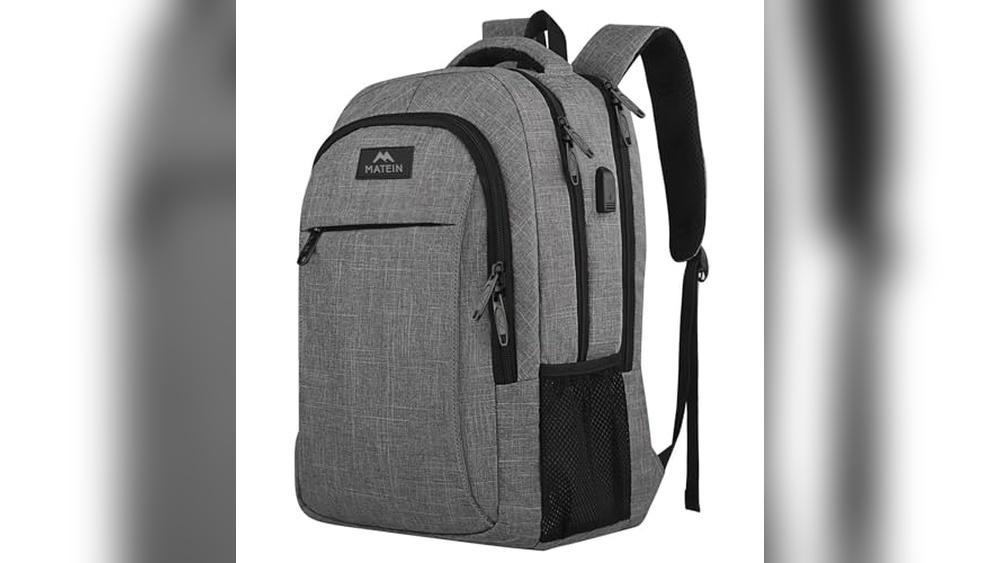
Have you ever wondered how many pounds your backpack can really hold? Whether you’re packing for a day hike, school, or travel, knowing your backpack’s weight limit is key.
Carrying too much can strain your back and make your trip uncomfortable. But packing too little might leave you unprepared. You’ll discover how to find the perfect balance. Keep reading to learn the simple tricks to pack smart, protect your body, and make every step easier.
Your back will thank you!
Backpack Weight Basics
Understanding backpack weight basics is important before packing. Carrying too much weight can cause discomfort and harm. Each backpack has a limit on how much it can hold safely. Knowing these limits helps you pack smart and stay comfortable.
Choosing the right backpack depends on your needs and how much weight you plan to carry. Some backpacks are built for light loads, while others support heavy gear. Let’s explore the average carrying capacity and weight limits by backpack type.
Average Carrying Capacity
Most everyday backpacks hold between 15 and 30 pounds. School or work backpacks usually carry around 20 pounds comfortably. Hiking backpacks can handle more, often between 30 and 50 pounds. Carrying weight above these ranges can strain your back and shoulders.
Lightweight backpacks may hold less than 15 pounds. Heavy-duty backpacks designed for long trips can carry over 50 pounds. Always check the manufacturer’s guidelines to avoid damage or injury.
Weight Limits By Backpack Type
Daypacks are small and best for carrying 10 to 20 pounds. They are ideal for short trips or daily use. Hiking backpacks come in many sizes. Small hiking packs hold about 30 pounds. Larger models can carry 40 to 60 pounds.
Travel backpacks vary widely. Most support 30 to 50 pounds. Some are reinforced for heavier loads. School backpacks usually handle 15 to 25 pounds. Carrying more than this can cause pain and reduce durability.
Factors Affecting Backpack Capacity
The capacity of a backpack depends on several key factors. These factors determine how much weight the backpack can hold comfortably and safely. Understanding them helps choose the right backpack for specific needs. The following sections explain the main elements that affect backpack capacity.
Material And Design
The fabric of a backpack affects its strength and weight limit. Strong materials like nylon or polyester can hold heavier loads. The design also matters. Backpacks with reinforced stitching and extra padding last longer and carry more weight. Simple designs may have less capacity compared to backpacks built for heavy use.
Frame Structure
A backpack’s frame provides shape and support. Internal or external frames help distribute weight evenly. Frames made from lightweight metals or plastic keep the backpack sturdy without adding much weight. Without a frame, backpacks hold less weight and can strain your back quickly.
Strap And Support Systems
Straps and support systems increase comfort and stability. Wide, padded shoulder straps reduce pressure on your shoulders. Hip belts transfer weight from your back to your hips. Load lifter straps help balance the load closer to your body. Good support systems allow you to carry heavier loads safely.
Recommended Weight Limits
Knowing the recommended weight limits for backpacks helps protect your back and extends the life of your bag. Carrying too much weight can cause discomfort and damage the backpack’s structure. Different types of backpacks have different weight capacities. These limits depend on the bag’s design, size, and intended use.
Daypacks
Daypacks are small and meant for short trips. They hold between 10 and 20 pounds comfortably. Carrying more than this can strain your shoulders and back. Daypacks are great for carrying light items like water, snacks, and a jacket.
Hiking Backpacks
Hiking backpacks are built for longer trips and heavier loads. Most can hold between 30 and 50 pounds. They have extra padding and support for comfort. It is important not to overload hiking backpacks to avoid injury during long walks.
Travel Backpacks
Travel backpacks are designed for carrying clothes and travel gear. Their weight limit usually ranges from 25 to 40 pounds. These bags balance capacity and comfort for easy movement through airports or cities. Overpacking can cause zippers to break or straps to tear.
School Backpacks
School backpacks are used daily and should not hold more than 15 to 20 pounds. Heavy backpacks can cause back pain and poor posture in students. A backpack with padded straps and a waist belt helps distribute weight evenly.
Health Impacts Of Overloading
Carrying a backpack that is too heavy can harm your health. It affects your body in many ways. Knowing these risks helps you avoid pain and injury.
Backpacks should not hold more than 10-15% of your body weight. Exceeding this limit puts stress on your muscles and bones. Your body tries to adjust, but this causes problems over time.
Back Pain Risks
Heavy backpacks strain your back muscles. This strain causes aches and sharp pain. The spine bears extra weight, leading to muscle fatigue. Daily overload can cause chronic back pain. Children and teens are especially vulnerable.
Posture Problems
Overloaded backpacks change your natural posture. You may lean forward or sideways to balance the weight. This shift strains your neck and shoulders. Poor posture leads to muscle imbalances. Over time, it becomes difficult to stand straight.
Long-term Effects
Carrying too much weight regularly can cause lasting damage. It may lead to spine misalignment and joint issues. These problems limit mobility and cause discomfort. Early habits of overloading can affect adult health. Using lighter backpacks protects your future well-being.
Tips To Manage Backpack Weight
Managing the weight of your backpack is key to comfort and safety. Carrying too much can strain your back and shoulders. Using smart tips helps keep your load light and balanced. This makes your hike or travel easier and more enjoyable.
Focus on what you really need. Organize your pack so weight spreads evenly. Use tools like compression straps to keep everything tight. These simple steps reduce fatigue and protect your body.
Packing Essentials Only
Choose items that are necessary for your trip. Avoid packing things you won’t use. Check the weather and plan clothes accordingly. Keep food and water light but enough for your needs. Less weight means more comfort during long walks.
Weight Distribution Techniques
Place heavy items close to your back and in the middle. This helps keep your center of gravity stable. Lighter items go at the top and sides. Adjust straps to pull the weight tight against your body. This reduces sway and pressure points.
Using Compression Straps
Compression straps tighten your backpack load. They prevent items from moving inside. This keeps your pack compact and balanced. Tighten straps after packing to secure everything. Compression helps avoid back strain on rough paths.
Choosing The Right Backpack
Choosing the right backpack is key to carrying your gear comfortably. Not all backpacks hold the same weight or suit the same purpose. Knowing what fits your needs helps you avoid pain and damage.
Focus on the backpack’s size, weight capacity, and durability. Each factor affects how much you can carry and how long your backpack will last. Let’s explore how to pick the best one for you.
Assessing Your Needs
Think about what you will carry daily or on trips. Will you pack books, clothes, or heavy tools? The type of items decides the weight and size of the backpack you need. Consider how long you carry it too. This helps find a backpack that matches your lifestyle.
Size And Capacity Matching
Backpacks come in different sizes and volumes, measured in liters. A small daypack holds 15 to 30 liters. Larger backpacks can hold 40 liters or more. Match the size to how much weight you want to carry. Avoid backpacks that are too big or too small for your load.
Quality And Durability
Strong materials and good stitching make backpacks last longer. Look for water-resistant fabrics and sturdy zippers. Check the straps and back padding for comfort and support. A durable backpack handles heavy loads better and stays reliable over time.
Testing Your Backpack’s Capacity
Testing your backpack’s capacity helps you understand how much weight it can hold safely. It ensures you do not carry too much and risk damage or injury. Knowing your backpack’s limits keeps your gear and body protected.
Load Testing Methods
Start by packing your backpack with items you plan to carry. Use a scale to check the total weight. Add weight gradually until the backpack feels heavy but manageable. Try walking around to see if it stays comfortable. Check for any signs of stress on seams or straps.
Signs Of Overload
Notice if straps dig into your shoulders or back aches begin. Watch for stretched or torn fabric and broken zippers. If the backpack leans backward or feels unstable, it is too heavy. Difficulty moving or bending is another sign of overload. These signals mean you should reduce the load immediately.
Adjusting For Comfort
Use padded straps and adjust them to fit snugly around your shoulders. Tighten the waist belt to take weight off your back. Distribute weight evenly inside the bag to avoid strain. Shift heavier items closer to your back. Small changes improve comfort and prevent pain during use.
Frequently Asked Questions
How Many Pounds Can A Typical Backpack Hold?
A typical backpack can hold between 15 to 30 pounds comfortably. Exceeding this weight may cause discomfort and strain. Always check the manufacturer’s weight limit for best use and safety.
What Factors Affect A Backpack’s Weight Capacity?
Material strength, strap durability, and frame design affect weight capacity. High-quality backpacks with reinforced stitching hold more weight. Proper weight distribution also helps maintain comfort and prevents damage.
Can Carrying Too Much Weight Damage A Backpack?
Yes, carrying excessive weight can damage zippers, straps, and fabric. Overloading reduces the backpack’s lifespan and can cause discomfort or injury to the user.
How To Safely Pack A Heavy Backpack?
Distribute weight evenly, placing heavy items close to your back. Use padded straps and adjust the fit for support. Avoid overloading to prevent strain and maintain balance.
Conclusion
A backpack’s weight limit depends on its size and materials. Most backpacks hold between 15 to 40 pounds safely. Carrying too much can cause discomfort and damage the bag. Always check the manufacturer’s guidelines before packing. Pack only what you need to stay comfortable.
A well-packed backpack helps you move easily and protects your belongings. Choose a bag that matches your daily or travel needs. Keep your load light and balanced for best results. This way, your backpack lasts longer and feels better on your back.