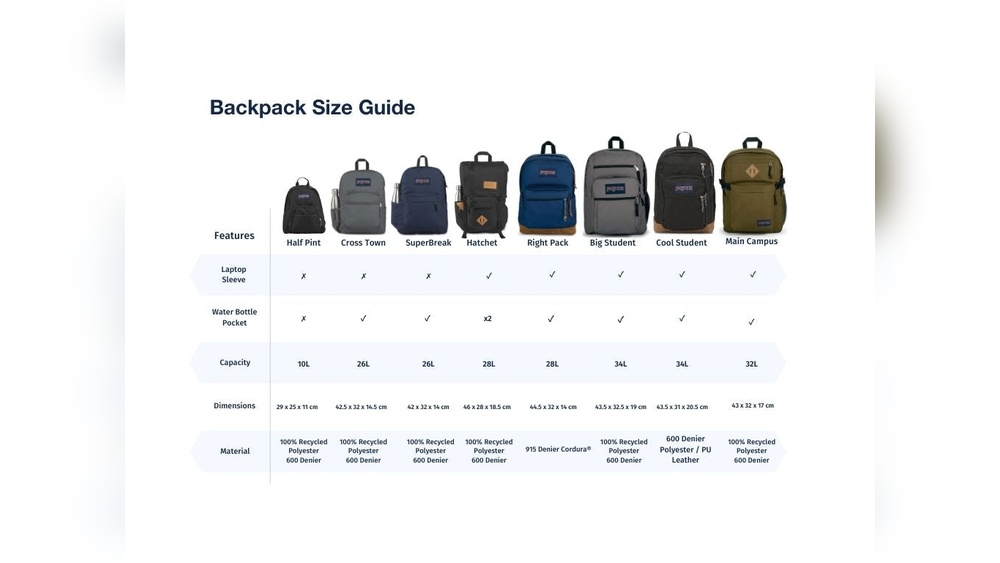
Choosing the right backpack size for a one-month trip can feel overwhelming. You want to carry everything you need without being weighed down by extra bulk.
But how do you find that perfect balance? If you pack too small, you might miss essential items. Pack too big, and you’ll struggle with unnecessary weight and space. You’ll discover exactly how big your backpack should be to keep you comfortable, prepared, and ready for anything during your month-long adventure.
Keep reading—your future self will thank you for packing smart.
Choosing Backpack Size
Choosing the right backpack size for a one-month trip is important. The size affects how much you can carry and how comfortable you feel. The goal is to find a backpack that fits your needs without being too heavy or too big.
Several factors affect the size you need. Think about what you will pack and how you will travel. The right size helps you stay organized and move easily.
Factors Influencing Size
Your travel style impacts backpack size. Pack light for simple trips and more for varied activities. Weather matters too. Cold climates need bulkier clothes, which require more space. Also, consider where you will stay. Hostels might need less gear than camping outdoors.
Volume Recommendations
For one month, 40 to 60 liters is a good range. Smaller backpacks under 40 liters may not hold enough items. Backpacks over 60 liters might be too large and heavy. Aim for a size that fits all essentials comfortably.
Weight Considerations
Keep your backpack weight under 20% of your body weight. Heavy backpacks cause pain and fatigue. Choose lightweight gear to reduce load. Distribute weight evenly to avoid strain. A well-packed bag feels lighter and easier to carry.
Types Of Backpacks
Choosing the right backpack is key for a one-month trip. Different backpacks suit different travel styles and needs. Knowing the types helps pick the best size and features for your journey.
Travel Backpacks
Travel backpacks are designed for comfort and storage. They usually have a large main compartment and many pockets. These backpacks fit well for a month-long trip. They often include features like lockable zippers and padded straps. They balance space and ease of carrying.
Hiking Backpacks
Hiking backpacks focus on support and durability. They have strong frames and padded hip belts. These backpacks distribute weight evenly for long walks. They come with extra straps to hold gear outside. Hiking backpacks are good if your trip involves nature and trails.
Carry-on Backpacks
Carry-on backpacks fit airline size rules. They are smaller but still spacious. These backpacks help avoid checked luggage fees. They often have compartments for laptops and essentials. Carry-on backpacks suit travelers who prefer quick airport moves.
Packing Essentials
Packing for a one-month trip needs careful thought. Choose items that are useful and light. Focus on essentials that fit your needs and save space. Planning helps avoid overpacking and makes your backpack manageable.
Clothing
Pick clothes that mix and match easily. Bring lightweight, quick-dry fabrics. Include layers for changing weather. Limit shoes to two pairs: one casual and one for walking. Pack enough underwear and socks for a week. Laundry can be done on the road.
Toiletries
Carry small bottles of shampoo and soap. Use travel-size toothpaste and toothbrush. Take only the basics: deodorant, razor, and comb. Keep items in a waterproof bag. Avoid heavy or bulky products. Refill supplies during the trip if needed.
Electronics And Gadgets
Bring a phone and charger. A power bank helps when outlets are scarce. Include headphones for travel comfort. A universal adapter suits various countries. Avoid extra gadgets that add weight. Prioritize devices that serve multiple purposes.
Maximizing Space
Packing for one month can be tricky. You want to bring what you need without carrying too much. Maximizing space in your backpack is key. Organizing and compressing your clothes and gear helps fit more in less space. Smart packing makes your trip easier and your bag lighter.
Packing Cubes
Packing cubes divide your backpack into neat sections. They keep clothes and items organized. You can separate shirts, pants, and toiletries easily. Cubes save time when searching for things. They also help compress clothes slightly. This small space saver adds big convenience.
Rolling Vs Folding
Rolling clothes takes less space than folding. Rolled clothes fit tightly into small gaps. They also reduce wrinkles on your clothes. Folding works well for thicker items like jackets. Combining rolling and folding can use space smartly. Choose the method that suits your clothes best.
Compression Bags
Compression bags squeeze air out of your clothes. This reduces their size greatly. They work well for bulky items like jackets and sweaters. Using them frees up space for other gear. Keep a few bags to separate clean and dirty clothes. They keep your backpack tidy and compact.
Weight Distribution Tips
Proper weight distribution in your backpack makes a big difference during travel. A well-balanced pack reduces strain and prevents pain. It helps you walk longer and stay comfortable. Use smart packing techniques to spread the load evenly. This section covers key tips on weight distribution for a one-month backpack.
Balancing Load
Keep the weight close to your back. Place heavier items near the center. Avoid putting all heavy things on one side. Balance weight left to right for stability. This prevents your body from leaning and tiring. Think of your backpack as a tight package.
Heaviest Items Placement
Put the heaviest items at the middle and top of your pack. This keeps weight near your shoulders and spine. Avoid placing heavy things at the bottom. It pulls you backward and strains your back. Keep heavy gear close to your body for better control.
Adjusting Straps
Use all straps to secure the load. Tighten shoulder straps to keep the pack close. Adjust the hip belt to carry most weight on hips. Use chest straps to stabilize the load. Check and fix straps often as you walk. Good strap adjustment stops the pack from shifting.
Special Considerations
Choosing the right backpack size for a one-month trip depends on several special factors. These factors affect how much you need to pack and carry. Thinking about them helps pick a backpack that fits your needs and keeps you comfortable.
Climate And Weather
Climate changes what clothes and gear you bring. Hot weather means light, small clothes. Cold weather needs warm, bulky items like jackets. Rainy places require waterproof gear, which can add weight. Pack according to the season and weather forecast.
Type Of Trip
The trip’s nature affects backpack size. Adventure trips need more gear like hiking boots and tents. City trips require fewer bulky items. Business trips may need extra space for work gear. Think about your activities to pack smart.
Personal Preferences
Some travelers pack light and move fast. Others carry more for comfort and style. Your packing habits affect backpack size. Consider how much you want to carry daily. Choose a size that feels right for your travel style.
Frequently Asked Questions
How Much Capacity Is Needed For A One-month Backpack?
For a one-month trip, a 40-50 liter backpack is ideal. It offers enough space for essentials without being bulky. This size balances comfort and storage, allowing you to pack clothing, toiletries, and gear efficiently.
What Factors Affect Backpack Size For One Month?
Consider climate, activities, and packing style. Warm climates need less bulky clothes. Multi-activity trips require more gear. Minimalists pack lighter, needing smaller backpacks. These factors help determine the right backpack size for a month-long journey.
Can I Carry A One-month Backpack As Carry-on?
Most airlines allow 40-50 liter backpacks as carry-on. Ensure your bag meets airline size limits. This size fits overhead compartments, making travel easier and avoiding checked baggage fees.
Should I Pack Differently For One Month Backpacking?
Yes, prioritize versatile, lightweight clothing. Use packing cubes for organization. Plan to do laundry mid-trip. Efficient packing helps fit essentials in a moderate-sized backpack comfortably.
Conclusion
Choosing the right backpack size matters for a one-month trip. A 40 to 50-liter bag usually fits your needs well. It holds enough clothes, gear, and essentials without feeling heavy. Packing smart helps keep your load light and easy to carry.
Think about your travel style and what you really need. A well-packed backpack makes your journey more enjoyable. Don’t overload it. Keep it simple and practical. This way, you stay comfortable and ready for any adventure ahead.