Choosing the right workout backpack can make a big difference in how you carry your gear and stay organized. You want something that fits your style, holds everything you need, and feels comfortable on your shoulders.
But with so many options out there, how do you pick the perfect one for you? In this guide, you’ll discover simple tips to help you find a backpack that matches your workout routine and keeps you ready for anything.
Keep reading, and you’ll never struggle with your workout bag again.
Key Features To Look For
Choosing the right workout backpack starts with knowing what features matter most. These features help you carry your gear safely and comfortably. They also make your workouts easier and more enjoyable. Focus on key aspects like size, durability, and fit to find the best backpack for your needs.
Size And Capacity
The backpack must fit all your workout essentials. Think about what you carry daily. Water bottles, shoes, clothes, and gadgets need space. Choose a size that holds your items without being too bulky. A compact bag is easier to carry but might lack space. A bigger one offers more room but can be heavy.
Durability And Material
Strong material ensures the backpack lasts long. Look for fabrics that resist tears and scratches. Nylon and polyester are good options. Check the stitching and zippers for quality. A durable bag protects your gear from damage. It also saves money by avoiding frequent replacements.
Compartments And Organization
Multiple compartments help keep things tidy. Separate pockets for shoes, wet clothes, and gadgets prevent mess. Small pockets are useful for keys and wallets. Organized space means less time searching for items. It also keeps your gear clean and ready to use.
Comfort And Fit
A comfortable backpack reduces strain on your shoulders and back. Look for padded straps and back support. Adjustable straps help fit the bag to your body. A good fit makes carrying heavy loads easier. Comfort matters, especially if you travel long distances with your gear.
Water Resistance
Water resistance protects your belongings from rain and sweat. Coated fabrics or special linings keep moisture out. This feature is essential for outdoor workouts or rainy days. It keeps electronics and clothes dry and safe. A water-resistant backpack offers peace of mind.
Types Of Workout Backpacks
Choosing the right workout backpack depends on your needs and activities. Different types of backpacks serve different purposes. Understanding these types helps you pick the best fit for your routine.
Each style offers unique features. Some focus on size, others on function or comfort. Knowing these options makes shopping easier and more effective.
Slim And Lightweight Packs
Slim and lightweight packs are perfect for quick trips. They carry just the essentials like a water bottle, phone, and keys. These packs do not add extra weight or bulk. They fit well for runners or cyclists who want minimal load.
Large Capacity Backpacks
Large capacity backpacks hold more gear. These bags suit gym goers who carry shoes, clothes, and towels. Multiple compartments help keep items organized. These backpacks offer comfort with padded straps and back support.
Hydration Packs
Hydration packs include built-in water reservoirs. They allow you to drink without stopping your workout. Ideal for long runs, hikes, or bike rides. These packs keep you hydrated and hands-free during exercise.
Specialized Gym Bags
Specialized gym bags have features for specific sports or workouts. Some have compartments for wet clothes or shoes. Others include insulated sections for snacks or drinks. These bags focus on convenience and practicality.
Choosing Based On Workout Style
Choosing a workout backpack depends greatly on your exercise routine. Different workouts need different features. Picking the right bag helps carry your gear comfortably and safely. It also keeps your items organized and easy to find. Focus on your workout style to find the best match.
For Runners And Cyclists
Runners and cyclists need lightweight backpacks. A slim design reduces drag and stays close to the body. Look for bags with breathable materials to keep you cool. Reflective strips improve safety during low light. Hydration packs or water bottle holders are a big plus.
For Weightlifters
Weightlifters carry heavier items like shoes and gloves. Choose a backpack with strong, padded straps for comfort. A roomy main compartment fits bulky gear easily. Extra pockets help separate clean clothes from sweaty ones. Durable fabric resists wear and tear from gym use.
For Yoga Enthusiasts
Yoga lovers often carry mats and light clothes. A backpack with a mat holder or straps works best. Soft, flexible materials allow easy packing of clothes and accessories. Small pockets keep keys and phones secure. Lightweight design makes carrying simple and stress-free.
For Outdoor Fitness Fans
Outdoor fitness fans need backpacks that handle rough conditions. Choose water-resistant or waterproof materials to protect gear. Multiple compartments organize items like snacks, maps, and first aid. Comfortable straps and back support help during long hikes or runs. Ventilated back panels reduce sweat build-up.
Budget And Brand Considerations
Choosing the right workout backpack means balancing price and quality. Your budget affects what features and brands you can consider. Some brands offer durable backpacks at a low cost. Others provide premium materials and designs but cost more. Understanding budget and brand options helps you pick a backpack that fits your needs and wallet.
Affordable Options
Affordable workout backpacks cover basic needs well. They use simple materials and have fewer compartments. These backpacks suit casual gym visits or short workouts. Many affordable brands offer good quality without extra cost. Check for sturdy zippers and comfortable straps. These small details improve daily use and comfort.
Premium And High-end Brands
Premium brands focus on durability and style. They use water-resistant fabrics and strong stitching. Extra pockets and tech compartments are common. These backpacks often have ergonomic designs for better support. Ideal for serious athletes or frequent gym users. The price matches the quality and features provided.
Warranty And Customer Support
Warranty matters when choosing a workout backpack. Good brands offer at least one year of coverage. This protects you against defects and damage. Customer support helps solve problems after purchase. Check reviews for brand reliability and service quality. Strong support adds value and peace of mind.
Maintenance And Care Tips
Keeping your workout backpack clean and well-maintained helps it last longer. Proper care also keeps it looking good and working well. Follow simple steps to maintain your backpack every day.
Cleaning Guidelines
Empty the backpack before cleaning. Use a soft brush to remove dirt and dust. Spot clean stains with mild soap and water. Avoid harsh chemicals that can damage fabric. Let the backpack air dry completely before use. Do not put it in the washing machine unless the label says it’s safe.
Storage Recommendations
Store the backpack in a cool, dry place. Avoid direct sunlight to prevent color fading. Keep it away from damp areas to stop mold growth. Hang it or place it flat to keep its shape. Do not overload or crush the backpack during storage.
Repair And Replacement
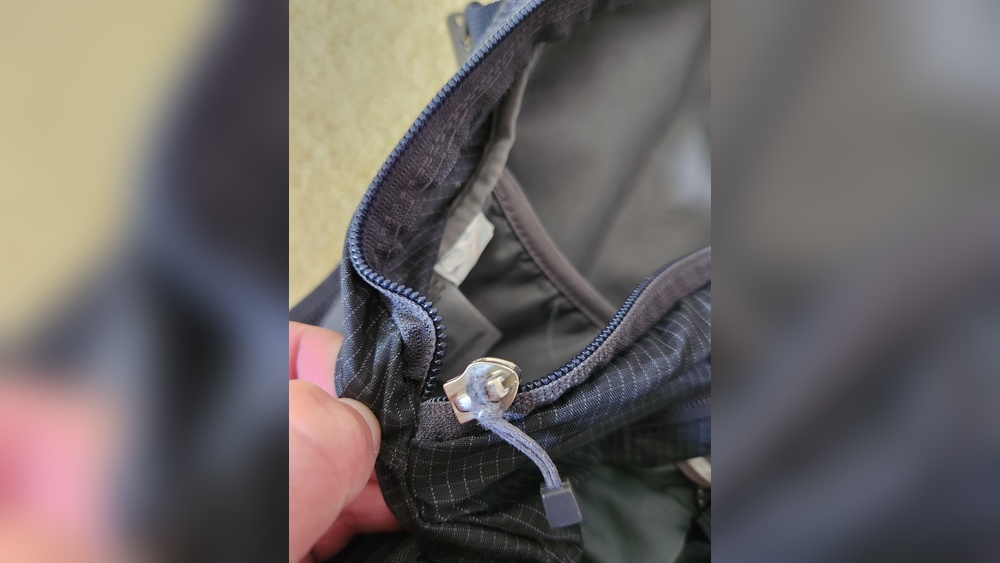
Check zippers and straps regularly for damage. Fix small tears with fabric glue or patches. Replace broken parts like buckles or zippers promptly. Use a professional repair service for major damage. Consider replacing the backpack if repairs are costly or frequent.
Additional Accessories To Enhance Use
Choosing the right workout backpack is important, but adding the right accessories can make it even better. Accessories help keep your gear organized and easy to reach. They also improve your comfort and safety during workouts. Small additions can change how you use your backpack every day.
Packing Cubes And Organizers
Packing cubes keep your items neat and separated. Use them to store clothes, shoes, or toiletries. Organizers help find things quickly without emptying your bag. They save space and prevent mess inside the backpack. Many backpacks have compartments designed for these cubes.
Water Bottle Holders
Hydration is key during exercise. Water bottle holders keep your drink within easy reach. They also stop bottles from rolling around inside the bag. Look for holders with secure straps or elastic bands. Some backpacks have insulated holders to keep your water cool.
Security Features
Security matters when carrying valuables. Choose backpacks with lockable zippers or hidden pockets. Anti-theft designs protect your wallet, phone, and keys. Reflective strips improve visibility if you work out in low light. These features add peace of mind while you train.
Frequently Asked Questions
What Features Should I Look For In A Workout Backpack?
Look for durability, water resistance, multiple compartments, ventilation, and comfortable straps. These features ensure protection and easy organization of gym gear.
How Much Capacity Do I Need In A Workout Backpack?
A 20-30 liter capacity usually fits workout essentials like shoes, clothes, and a water bottle comfortably without being bulky.
Are Workout Backpacks Suitable For Outdoor Activities?
Yes, many workout backpacks are designed with robust materials and ergonomic support, making them ideal for outdoor sports and hiking.
Can I Use A Workout Backpack For Daily Commuting?
Absolutely. Workout backpacks often have laptop sleeves and extra compartments, making them practical for both gym and daily use.
Conclusion
Choosing the right workout backpack makes your fitness routine easier. Pick one that fits your gear and feels comfortable. Think about pockets, size, and material for durability. A good backpack keeps your items safe and organized. It also helps you stay ready for any workout.
Take your time and choose what suits you best. This small step improves your workout experience a lot. Your perfect backpack is waiting to help you move better.