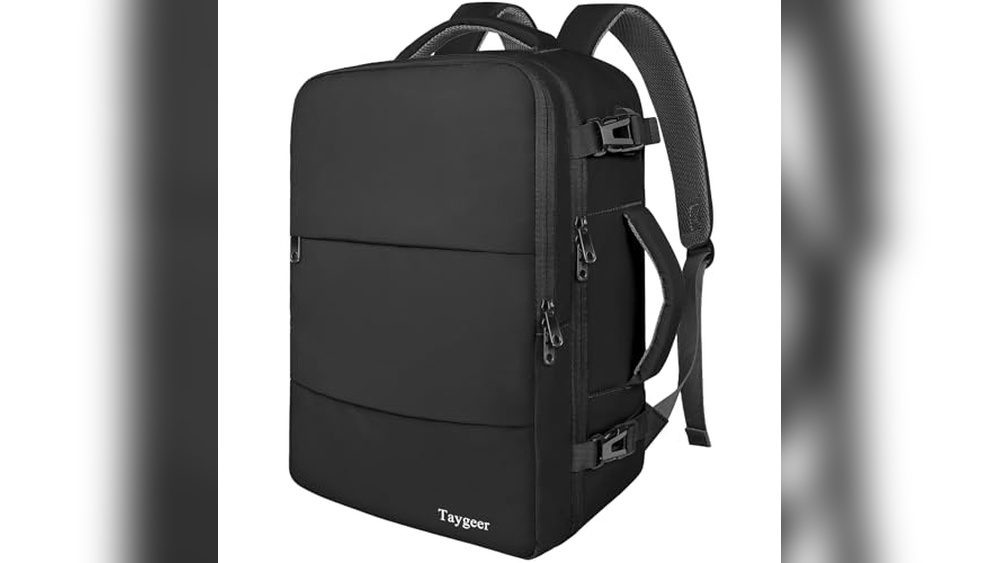
You want to keep yourself and your loved ones safe, especially when carrying your essentials every day. A bullet resistant backpack promises protection, but how much can it really shield you from danger?
You might wonder if it’s worth the investment or just a false sense of security. You’ll discover the real level of protection these backpacks offer, what they can and can’t do, and how to choose the right one for your needs.
Keep reading to make sure your safety gear truly works when it matters most.
Bullet Resistant Backpack Basics
Bullet resistant backpacks offer an extra layer of safety in daily life. They combine everyday use with protective technology. Understanding their basics helps you see how they protect you and your belongings.
These backpacks look like regular bags but include special materials. They come in different protection levels. The design also plays a key role in comfort and security.
Materials Used
Bullet resistant backpacks use strong fibers like Kevlar or Dyneema. These materials stop or slow down bullets. They are light and flexible, making the bag easy to carry. Some backpacks have steel or ceramic plates for extra protection. These materials work together to absorb and disperse impact.
Protection Levels
Protection levels vary depending on the threat. Most backpacks meet standards like NIJ Level II or IIIA. Level II stops most handgun bullets. Level IIIA can stop higher velocity rounds. Some backpacks add hard plates for rifle protection. Always check the protection rating before buying.
Design Features
Design matters for comfort and usability. Many backpacks hide the protective panels inside normal compartments. They often include padded straps and back support. Some have extra pockets for laptops and books. Lightweight designs make it easy to carry all day. The goal is safety without drawing attention.
Types Of Threats Covered
Bullet resistant backpacks offer protection against various threats. Knowing what they can and cannot stop helps in choosing the right one. These backpacks are designed for everyday safety but have limits depending on the threat type.
Understanding the types of threats covered by bullet resistant backpacks helps set realistic expectations. This section breaks down the common dangers they protect against.
Common Firearm Threats
Most bullet resistant backpacks stop small to medium caliber handgun bullets. These include 9mm, .40 caliber, and .45 caliber rounds. The backpacks have special armor panels that absorb the bullet’s energy. They reduce the chance of serious injury from these common threats.
They are not made to stop rifle rounds or high-powered bullets. The focus is on everyday protection against handgun threats in urban settings.
Knife And Sharp Object Protection
Some bullet resistant backpacks also offer stab and slash protection. The armor panels include materials that resist cutting and stabbing attacks. This adds a layer of security against knives and sharp objects.
Not all backpacks have this feature. It is important to check if stab protection is included when buying one.
Limitations Against High-caliber Bullets
High-caliber bullets from rifles and sniper guns can penetrate most bullet resistant backpacks. These backpacks are not designed to stop such strong threats. The armor is too thin to stop high-powered rounds.
For protection against these threats, heavier and bulkier armor is needed. Bullet resistant backpacks prioritize portability over extreme defense.
Testing And Certification
Understanding how much protection a bullet resistant backpack offers starts with its testing and certification. This process ensures the backpack meets strict safety standards. It proves the backpack can stop certain bullets and protect the wearer. Testing also builds trust in the product’s quality and reliability.
Nij Standards
The National Institute of Justice (NIJ) sets the main standards for bulletproof gear. These standards define levels of protection based on bullet type and speed. A backpack with NIJ certification meets these tests. This means it can stop bullets as stated by the level. NIJ standards help customers choose the right protection.
Independent Lab Testing
Independent labs conduct tests on bullet resistant backpacks. These labs use precise methods to check strength and durability. Testing includes shooting different types of bullets at the backpack. Labs verify if the backpack holds up under pressure. Independent testing adds unbiased proof of safety.
What Certifications Mean
Certifications show that a backpack passed tough tests. They confirm the backpack works as claimed. Certified backpacks have proven defense against certain threats. Without certification, protection claims may not be reliable. Certifications help buyers trust the product’s safety level.
Real-world Effectiveness
Bullet resistant backpacks offer protection beyond regular bags. They use special materials to stop bullets and reduce injury risks. Understanding their real-world effectiveness helps buyers trust their value and make smart choices.
Case Studies
Some school shootings involved bullet resistant backpacks. In certain cases, the backpacks stopped bullets or slowed them down. This action gave victims extra seconds to escape or get help. Not all backpacks perform the same, but some have proven lifesaving.
User Experiences
Many users share positive feedback about these backpacks. They feel safer carrying a bag that offers bullet protection. Parents often choose these backpacks for their children’s safety. Some users report peace of mind in crowded places or travel.
Expert Opinions
Security experts say bullet resistant backpacks add a layer of defense. They stress the importance of quality and proper testing. Experts recommend backpacks rated for specific bullet types and speeds. They advise users to check certifications before buying.
Choosing The Right Backpack
Choosing a bullet resistant backpack takes careful thought. Protection is important, but so is comfort and price. You need a backpack that fits your needs and daily life. This guide helps you pick the right one for you.
Assessing Personal Risk
Think about where you live and work. Are there high risks of violence? How often do you face unsafe situations? Knowing your risk level helps you choose the right protection. Some backpacks stop smaller bullets, others protect against stronger threats. Match the protection to your personal risk.
Balancing Protection And Comfort
Heavy backpacks can protect well but feel uncomfortable. You may not want to carry extra weight all day. Choose a backpack that offers good protection but stays light. Padding and straps should be soft and fit well. Comfort helps you wear the backpack regularly without pain.
Price Vs. Performance
Bullet resistant backpacks vary in price. More expensive models often use better materials. They may last longer and protect better. But a high price does not always mean better protection. Compare features, certifications, and reviews before buying. Find a backpack that fits your budget and needs.
Care And Maintenance Tips
Proper care and maintenance keep a bullet resistant backpack effective. Regular attention helps the backpack last longer. It also ensures the protective panels work when needed.
Cleaning Guidelines
Use a soft cloth and mild soap to clean the backpack. Avoid harsh chemicals or bleach. Do not soak the backpack in water. Gently wipe the surface and let it air dry. Do not use a dryer or direct sunlight to dry it.
Storage Recommendations
Store the backpack in a cool, dry place. Avoid damp or humid areas that can damage the panels. Keep the backpack away from direct sunlight. Store it flat or hung to keep its shape. Do not place heavy objects on top of it.
When To Replace Panels
Replace panels after any impact or damage. Do not use the backpack if the panels show cracks or dents. Follow the manufacturer’s guidelines for panel lifespan. Regularly check for wear and tear. Replace panels every few years to maintain protection.
Legal And Ethical Considerations
Bullet resistant backpacks offer extra protection in risky situations. Owning and using them involves legal and ethical questions. Understanding these issues helps users stay safe and follow rules.
Ownership Laws
Rules about bullet resistant backpacks vary by place. Some areas allow anyone to buy and carry them. Others require special permits or ban them completely. Check local laws before buying or using one. Breaking these laws can cause serious trouble.
Public Perception
People may feel uneasy seeing someone with a bullet resistant backpack. Some think it looks suspicious or threatening. Others see it as smart safety gear. Being aware of these views helps avoid misunderstandings in public.
Travel Restrictions
Traveling with a bullet resistant backpack can be tricky. Airports and public transport may have strict rules. Some countries forbid carrying body armor items. Always check travel rules before packing one. This prevents delays or confiscation.
Frequently Asked Questions
What Level Of Bullet Resistance Do Backpacks Provide?
Bullet resistant backpacks typically offer NIJ Level II or IIIA protection. This means they can stop most handgun rounds, but not rifle bullets. The protection is designed mainly for pistols and small arms fire, providing moderate safety in active shooter situations.
Can Bullet Resistant Backpacks Stop Rifle Bullets?
Most bullet resistant backpacks cannot stop high-velocity rifle bullets. They primarily protect against handgun calibers. For rifle protection, specialized armor plates are required, which are often heavier and bulkier than standard backpack inserts.
How Effective Are Bullet Resistant Backpacks In Real Attacks?
Bullet resistant backpacks can reduce injury risk from handgun shots. They are not foolproof but provide critical seconds to escape. Their effectiveness depends on bullet type, distance, and impact location.
Are Bullet Resistant Backpacks Comfortable For Daily Use?
Yes, many bullet resistant backpacks are designed for comfort. They balance protection with lightweight materials and ergonomic designs. However, added armor inserts can increase weight slightly compared to regular backpacks.
Conclusion
Bullet resistant backpacks offer a level of protection, but not complete safety. They can stop some bullets, mainly from handguns. Yet, they may not protect against all types of guns or close-range shots. These backpacks add extra weight and cost more than regular bags.
Choosing one depends on your personal needs and risks. Always stay aware of your surroundings. Safety also comes from good habits, not just gear. Use bullet resistant backpacks as one part of a broader safety plan. Stay informed and prepared to help keep yourself safe.