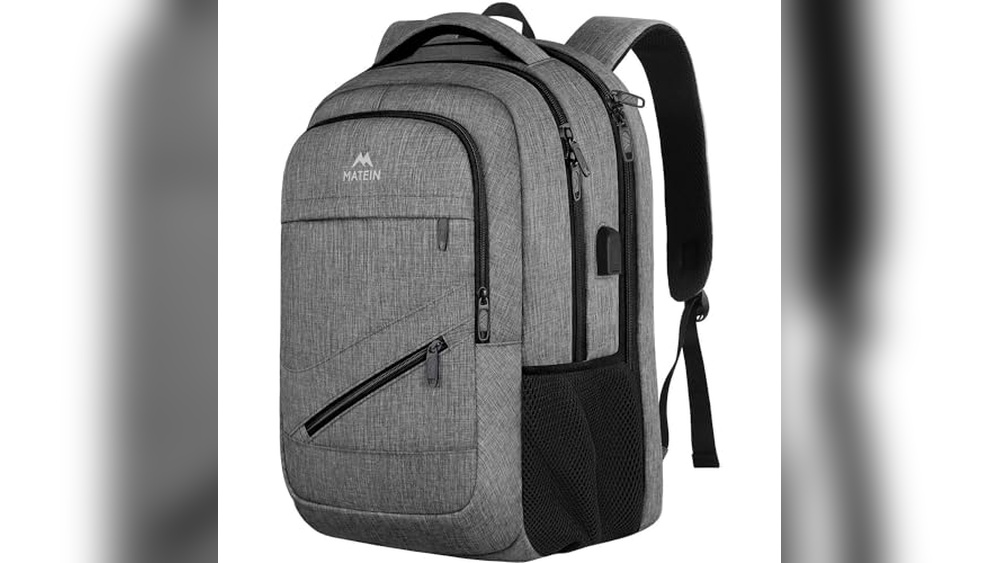
Choosing the right gear capacity for your backpack can make or break your trip. Too much space, and you might end up carrying unnecessary weight.
Too little, and you risk leaving behind essential items. So, how much gear capacity do you really need when backpacking? This guide will help you find the perfect balance, ensuring you carry everything you need without feeling weighed down. Keep reading to discover simple tips and smart strategies that will transform how you pack and travel.
Factors Affecting Gear Capacity
Choosing the right gear capacity is key for a good backpacking trip. Too much weight slows you down. Too little gear can cause trouble. Several factors decide how much space you need in your backpack. These factors help you pack smart and stay comfortable.
Trip Duration
Long trips need more clothes, food, and tools. You must carry enough supplies to last the entire journey. Short trips require less gear and smaller bags. The longer you stay out, the bigger your pack gets.
Weather Conditions
Cold or wet weather means heavier, bulkier gear. You need warm clothes, rain protection, and shelter. Warm weather allows lighter clothing and less gear. Always plan for the worst weather you might face.
Type Of Terrain
Mountain trails need sturdy boots and extra layers. Flat or easy paths allow lighter shoes and less gear. Rough terrain may require more safety and repair tools. Terrain affects what gear you carry and its weight.
Personal Preferences
Some hikers like to carry extra comfort items. Others prefer minimalist packing to move faster. Your body strength and hiking style matter too. Pack what suits your needs but keep it light.
Types Of Backpacking Gear
Backpacking gear varies widely based on trip length, weather, and personal needs. Choosing the right gear is key to comfort and safety. Each item adds weight and takes space. Understanding types of gear helps plan your backpack capacity well.
Shelter Options
Shelter protects you from weather and insects. Popular choices include tents, hammocks, and tarps. Tents offer full protection but weigh more. Hammocks are light but need trees. Tarps are versatile and very light. Pick shelter based on your route and weather.
Sleeping Systems
Sleeping systems keep you warm and comfortable at night. This includes sleeping bags, pads, and liners. Bags vary by temperature rating and weight. Pads add cushioning and insulation from the ground. Liners add warmth and keep bags clean. Choose systems that match climate and space.
Cooking Equipment
Cooking gear lets you prepare meals and boil water. Essentials include stoves, pots, and utensils. Stoves range from simple canister types to multi-fuel models. Pots should be lightweight and durable. Carry only what you need to save space. Fuel type and availability affect stove choice.
Clothing Essentials
Clothing keeps you dry, warm, and protected. Pack layers for changing weather. Base layers wick sweat. Insulating layers trap heat. Outer layers block wind and rain. Choose quick-drying, lightweight fabrics. Don’t forget hats and gloves for cold.
Navigation Tools
Navigation tools help you stay on track and avoid getting lost. Bring maps, compass, and GPS devices. Maps and compass don’t need batteries. GPS devices offer precise location but need power. Learn how to use all tools properly. Carry backups for safety.
Backpack Sizes Explained
Choosing the right backpack size is key for a good trip. Each size fits different trip lengths and gear amounts. Knowing the sizes helps you pack smart and stay comfortable.
Backpacks vary from small daypacks to large expedition packs. Each has a set capacity measured in liters. This number shows how much gear the pack can hold.
Daypacks
Daypacks hold about 15 to 30 liters. They are perfect for short trips or daily use. You can carry snacks, water, a jacket, and small gear. Light and easy to carry all day.
Weekend Packs
Weekend packs range from 30 to 50 liters. They fit enough clothes and supplies for two or three days. Good for short trips with a bit more gear. Comfortable for hiking and camping over a weekend.
Multi-day Packs
Multi-day packs hold 50 to 70 liters. Designed for trips lasting several days. You can carry a tent, sleeping bag, food, and extra clothes. Ideal for longer hikes and overnight stays.
Expedition Packs
Expedition packs start at 70 liters and go higher. Made for long and tough trips. Carry heavy gear like climbing tools and extra food. Built strong and roomy for extreme adventures.
Calculating Your Gear Volume
Calculating your gear volume is key for a comfortable backpacking trip. Knowing how much space your gear needs helps you pick the right backpack. Too small, and your gear won’t fit. Too big, and you carry extra weight. This section breaks down how to measure and manage your gear volume effectively.
Estimating Item Sizes
Start by listing all your gear items. Check the size of each item, either by packaging or measuring. Use liters or cubic inches to note volume. For soft items like clothes, compress them to get an accurate size. This estimate helps avoid surprises at packing time.
Packing Techniques
How you pack affects gear volume. Roll clothes tightly to save space. Use compression sacks for bulky items like sleeping bags. Place heavy gear at the bottom for balance. Fill gaps with small items to avoid wasted space. Smart packing reduces needed volume.
Weight Vs Volume
Weight and volume don’t always match. Some items are small but heavy, like stoves. Others are light but large, like tents. Balance both to avoid overload. Choose gear that fits your volume needs without adding too much weight. This balance makes your hike easier.
Tips To Optimize Gear Capacity
Optimizing gear capacity is key to a comfortable backpacking trip. Carrying less weight saves energy and makes hiking easier. Packing smart helps fit everything you need without overloading your pack. Small changes can make a big difference in how much you carry.
Focus on choosing the right gear and packing it well. This section covers simple tips to use space wisely and keep your load light.
Choosing Lightweight Gear
Pick gear made from light materials. Ultralight tents, sleeping bags, and cooking tools reduce weight. Every ounce counts on long hikes. Choose smaller, compact items that do the job. Avoid bulky gear that takes up space and weight.
Multi-use Items
Bring gear that serves more than one purpose. A bandana can be a towel, sun protection, or a pot holder. A jacket that works for rain and cold saves space. Multi-use tools cut down the number of things to carry. This approach shrinks your pack size and weight.
Packing Strategies
Organize gear to use every inch of your pack. Roll clothes to save space and reduce wrinkles. Use stuff sacks or compression bags to tighten bulky items. Pack heavy items close to your back for balance. Keep essentials easy to reach. Proper packing helps fit more without strain.
Common Mistakes To Avoid
Choosing the right gear capacity is key for a good backpacking trip. Many hikers make mistakes that cause trouble on the trail. Avoiding these common errors helps you pack smarter. It saves energy and keeps you comfortable. Here are some frequent mistakes to watch out for.
Overpacking
Taking too much gear is a common error. Heavy backpacks make walking harder. Extra weight tires your body quickly. It can slow you down or cause pain. Pack only what you really need. Think about each item’s use. Leave behind anything that is not essential.
Ignoring Weather Changes
Weather can change fast in the outdoors. Not preparing for bad weather is risky. Rain, cold, or wind can spoil your trip. Always check the forecast before you leave. Carry layers and rain gear. Being ready for weather helps you stay safe and dry.
Neglecting Comfort
Comfort is important for a good hike. A backpack that fits poorly hurts your back and shoulders. Padded straps and a good hip belt help. Arrange your gear to balance weight. Discomfort can ruin your trip. Make sure your pack feels right before you start.
Selecting The Right Backpack
Selecting the right backpack makes your trip easier and more fun. The right pack fits your body well and holds your gear safely. It should feel good on your back and carry everything you need. Choosing a backpack with the right size and features helps you stay comfortable during your hike.
Fit And Comfort
A backpack that fits your body prevents pain and injury. Look for packs with padded shoulder straps and a padded back panel. The waist belt should wrap around your hips, not your waist. This helps spread the weight evenly. Try the backpack with some weight inside before buying it.
Adjustability
Adjustable straps make the backpack fit better. Shoulder straps, chest straps, and waist belts should all adjust easily. This allows you to customize the fit for your body shape. A good fit reduces pressure points and improves balance on uneven trails.
Durability
Strong materials resist tears and wear from rough use. Nylon and polyester are common durable fabrics for backpacks. Check the stitching and zippers too. Durable backpacks last longer and protect your gear from rain and dirt.
Features To Look For
Look for pockets and compartments that organize your gear well. External pockets make it easy to reach water bottles and snacks. Some backpacks have rain covers or hydration bladder sleeves. These features add convenience and keep you prepared on the trail.
Frequently Asked Questions
What Is The Ideal Gear Capacity For Backpacking Trips?
The ideal gear capacity depends on trip length and weather. Typically, 40-60 liters suits most multi-day trips. Short trips may need 30-40 liters, while extended trips require 60+ liters for extra gear and food.
How Do I Calculate My Backpack Gear Capacity Needs?
Calculate needs by listing essential gear, clothing, food, and water. Estimate volume for each item and add a buffer for extras. Consider trip duration, weather, and personal comfort to finalize the backpack size.
Does Gear Capacity Affect Backpack Weight And Comfort?
Yes, larger gear capacity often means more weight and bulk. A well-packed smaller pack improves comfort and mobility. Choose capacity that balances gear needs and physical limits for a comfortable hike.
Can I Reduce Gear Capacity By Using Ultralight Equipment?
Ultralight gear significantly reduces volume and weight. This allows using smaller backpacks and carrying less bulk. However, ensure ultralight gear still meets safety and durability for your trip.
Conclusion
Choosing the right gear capacity keeps your backpack light and comfortable. Think about trip length and weather before packing. Too much gear adds weight and slows you down. Too little gear may leave you unprepared. Find a balance that fits your needs and style.
Test your pack at home to feel the weight. Adjust items to save space and avoid overload. A well-packed bag makes hiking more fun and safer. Keep learning from each trip to pack smarter next time. Your gear capacity matters for every adventure you take.