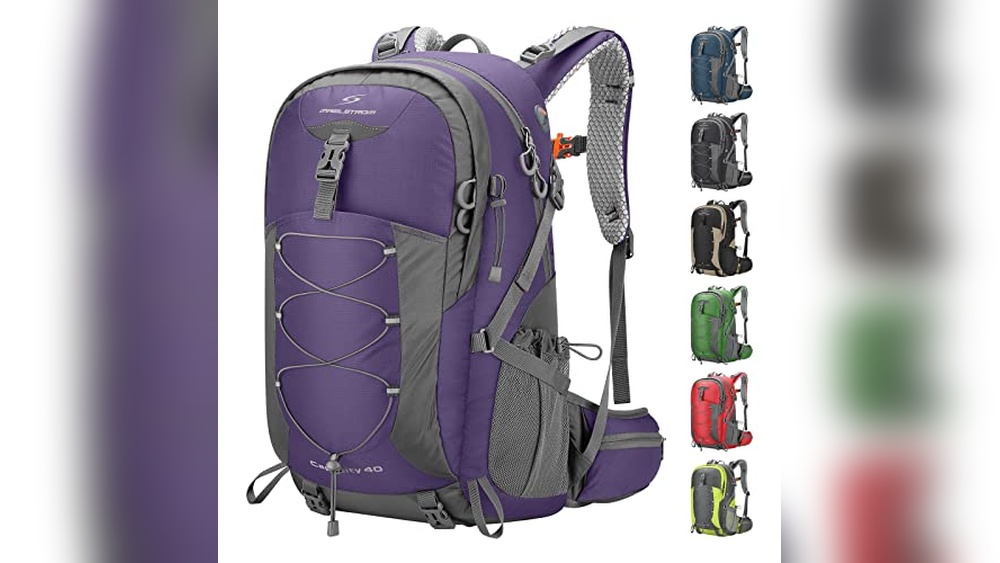
Are you wondering how many liters a regular school backpack holds? Choosing the right backpack size can make a big difference in your comfort and how much you can carry every day.
Whether you’re packing books, lunch, or sports gear, knowing the exact capacity helps you pick the perfect fit. Keep reading to discover the ideal backpack size that matches your needs and makes your school life easier.
Backpack Capacity Basics
Understanding backpack capacity helps in choosing the right size for school. It ensures enough space for books and supplies. The size of a backpack is often measured in liters. This tells how much the backpack can hold inside.
Knowing these basics makes shopping easier. It prevents buying a bag that is too big or too small. Let’s explore what liters mean and common sizes for school backpacks.
Liters Explained
Liters measure volume, or how much space is inside the backpack. One liter equals 1,000 cubic centimeters. It helps compare backpacks by their storage size. A bigger liter number means more capacity. For example, a 20-liter backpack holds less than a 30-liter one.
Liters give a clear idea of space without guessing from pictures. This measurement helps find a bag that fits daily school needs.
Common School Backpack Sizes
Most regular school backpacks range from 15 to 30 liters. Smaller backpacks, about 15-20 liters, suit younger students. They carry a few books and lunch boxes. Larger backpacks, 25-30 liters, fit middle and high school students. These bags hold more books, folders, and sometimes laptops.
Choosing the right size depends on what the student carries daily. A backpack too large can be heavy and uncomfortable. A small bag might not fit all supplies properly.
Average Size Of Regular School Backpacks
The average size of a regular school backpack matters for comfort and storage. Parents and students need the right size to carry books, lunch, and supplies. Too small, and it won’t fit everything. Too large, and it may be heavy and hard to carry.
Understanding the average size helps you pick the best backpack for daily use. Backpack size is often measured in liters, showing how much space it offers inside. This makes it easier to compare different models.
Typical Liter Range
Most regular school backpacks range from 15 to 30 liters in size. Smaller backpacks, around 15 to 20 liters, fit fewer items. Larger backpacks offer 25 to 30 liters for more books and supplies. This range suits most students in elementary to high school. It balances space and ease of carrying.
Variations By Grade Level
Backpack size changes based on grade. Younger students often use backpacks between 15 and 20 liters. This size holds their smaller books and lunchboxes. Middle school students need backpacks closer to 20 to 25 liters. They carry more books and sometimes sports gear.
High school students usually prefer backpacks from 25 to 30 liters. They carry many textbooks, laptops, and other materials. Choosing the right size helps avoid strain and keeps items organized.
Factors Influencing Backpack Size
Choosing the right backpack size depends on many factors. These factors help decide how many liters a regular school backpack should hold. Understanding these points makes picking a backpack easier and smarter.
Each student’s needs vary. The right backpack size supports comfort and organization throughout the school day.
Age And Grade Requirements
Backpack size changes with a student’s age and grade. Younger kids need smaller bags to avoid strain. Older students carry more books and need larger backpacks. Grade level guides the typical size range. For example, elementary students may use backpacks around 15-20 liters. High school students might need 25-35 liters or more.
Number Of Books And Supplies
The amount of books and supplies affects backpack size. More textbooks and notebooks require bigger capacity. Students with fewer materials can use smaller bags. Don’t forget items like lunch boxes or sports gear. These also take space inside the backpack. Proper size keeps everything neat and easy to carry.
Extra Compartments And Features
Additional compartments add to backpack size needs. Pockets for laptops, water bottles, and pens increase volume. Some backpacks have built-in organizers or padded sections. These features need extra room but offer better storage. A well-designed backpack balances size and convenience.
Measuring Backpack Volume
Knowing the volume of a school backpack helps choose the right size. Volume shows how much space is inside the bag. It tells you how many books, supplies, and lunch boxes fit. Measuring backpack volume gives clear information about capacity. This makes shopping easier and avoids buying too small or too big bags.
How Liters Are Calculated
Backpack volume is measured in liters. One liter equals 1,000 cubic centimeters. To find the volume, multiply length, width, and height in centimeters. The formula is simple: Volume = Length × Width × Height. This gives the total cubic centimeters inside the backpack. Then, divide by 1,000 to convert to liters. Manufacturers use this method to list backpack sizes. The number shows usable space, not the outside size.
Diy Volume Measurement Tips
Measure your backpack at home with a tape measure. Find the longest length, widest width, and tallest height. Use the main compartment only for accurate results. Multiply these three numbers to get cubic centimeters. Divide by 1,000 to get liters. Another way is to fill the backpack with water using a container. Count how many liters it takes to fill. Be careful not to wet the bag. These tips help you check if your backpack fits your needs.
Choosing The Right Backpack Size
Choosing the right backpack size is important for school children. A backpack should fit well and hold all the needed items. The size affects comfort, posture, and how much stuff a child can carry. Understanding the right size helps avoid pain and makes carrying books easier.
Backpacks come in different sizes, usually measured in liters. Regular school backpacks often range from 15 to 30 liters. This size fits most school supplies without being too heavy or large for kids.
Ergonomics And Comfort
Backpack size affects a child’s body and comfort. A backpack that is too big can strain the back and shoulders. Choose a backpack that fits the child’s torso length. Wide, padded straps help spread the weight evenly. Proper fit keeps the child comfortable throughout the school day.
Adjusting For Growth
Children grow fast, so the backpack size may need change. Look for backpacks with adjustable straps and multiple compartments. This helps the backpack fit better over time. A slightly larger backpack can last longer but should not be too big. Adjusting the backpack helps keep it useful as the child grows.
Balancing Capacity And Weight
The backpack should hold enough books and supplies without being too heavy. A 20 to 25-liter backpack usually works well for most students. Pack only what is necessary to avoid extra weight. A lighter backpack reduces the risk of back pain and makes walking easier.
Popular Backpack Sizes By Brands
Popular backpack sizes vary by brand but generally fit into clear categories. Each brand offers different liter capacities to suit student needs. The size depends on age, grade, and amount of school supplies carried daily.
Many brands focus on practical sizes that balance capacity and comfort. Backpacks too small may not hold all essentials. Too large backpacks can feel heavy and bulky for students. Brands aim to create options that meet these needs well.
Small To Medium Options
Small backpacks usually hold around 15 to 20 liters. These are perfect for younger students or light packers. Brands like JanSport and Herschel offer compact models in this range. Medium backpacks range from 20 to 30 liters. They fit standard school supplies like books, notebooks, and a lunchbox. Popular models from Nike and Adidas fall in this category. These sizes are common for elementary to middle school students.
Large And Extra Large Choices
Large backpacks hold between 30 and 40 liters. They suit older students or those carrying laptops and sports gear. Brands such as North Face and Under Armour provide durable, spacious options. Extra large backpacks can exceed 40 liters. These are less common but useful for heavy packers or high school students. These sizes offer room for binders, textbooks, and extra items comfortably.
Tips To Maximize Backpack Space
Maximizing space in a regular school backpack is key to carrying all essentials comfortably. Smart packing helps keep the backpack light and organized. It also saves time searching for items during school hours.
Organizing Supplies Efficiently
Place heavier books and notebooks at the back. This balances weight and reduces strain on your shoulders. Use the main compartment for large items like binders and folders. Smaller items should go in front or side pockets for easy access. Keep frequently used supplies, like pens and calculators, within reach.
Using Pouches And Inserts
Use small pouches to group similar items together. A pencil case holds writing tools neatly and prevents loss. Inserts with compartments separate gadgets, chargers, and snacks. These keep the backpack tidy and prevent items from shifting. Choose lightweight pouches to avoid extra bulk.
Frequently Asked Questions
What Is The Average Liter Capacity Of A School Backpack?
A regular school backpack usually holds between 20 to 30 liters. This size fits books, notebooks, and a lunchbox comfortably. It balances capacity with ease of carrying for most students.
How Many Liters Does A Small School Backpack Hold?
Small school backpacks typically range from 15 to 20 liters. They are ideal for younger students with fewer books and supplies. This size offers lightweight convenience and easy portability.
What Liter Size Is Best For High School Backpacks?
High school backpacks often range between 25 to 35 liters. This size accommodates textbooks, laptops, and extra gear. It provides enough space for a busy student’s daily essentials without being too bulky.
Can A 20-liter Backpack Fit All School Supplies?
A 20-liter backpack fits basic school supplies like books and stationery. However, it may struggle with larger items like laptops or sports gear. It’s suitable for light to moderate daily use.
Conclusion
A regular school backpack usually holds about 20 to 30 liters. This size fits most students’ books and supplies comfortably. Choosing the right size helps carry only what’s needed. It keeps the bag light and easy to carry. Remember, a backpack that is too big feels heavy and awkward.
A good fit makes school days easier and more organized. Think about what you carry daily. Then pick a backpack size that matches those needs. Simple and practical works best.