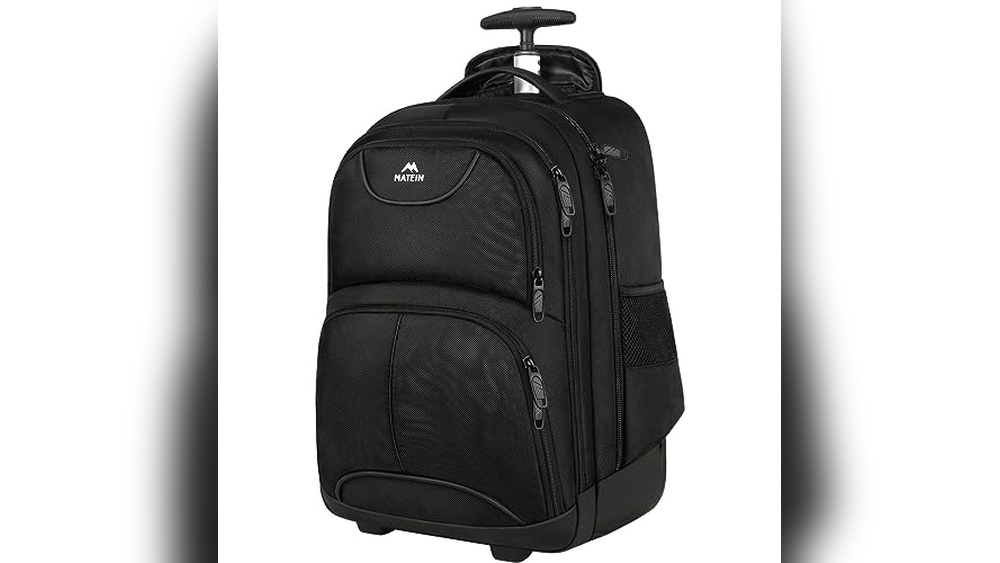
Do you want to give your backpack a personal touch or easily switch up your style? Adding Velcro patches is a simple and fun way to do just that.
Whether you’re into cool designs, team logos, or meaningful symbols, Velcro patches let you customize your backpack quickly and without any damage. In this guide, you’ll learn exactly how to add Velcro patches so they stay secure and look great.
Keep reading, and by the end, your backpack will be uniquely yours!
Choosing The Right Velcro Patches
Choosing the right Velcro patches is key to making your backpack look great and last long. The right patches fit well, stick firmly, and match your style. This section covers the types, sizes, and designs to help you pick the best patches.
Types Of Velcro Patches
Velcro patches come in two main types: hook and loop. The hook side is rough and sticks to the soft loop side. Most backpacks have a loop panel where you attach hook patches. Some patches have both sides sewn together for easy use. Choose patches that match your backpack’s Velcro type for a strong hold.
Sizing And Shape Considerations
Choose patch sizes that fit your backpack space. Small patches work well for adding details or logos. Larger patches cover more area and make a bold statement. Shapes like circles, squares, or custom designs affect how they look. Match patch shapes with your backpack style for a neat appearance.
Selecting Patch Designs
Pick designs that show your personality or interests. Popular themes include flags, sports, cartoons, or quotes. Simple designs often look better and are easier to recognize. Bright colors stand out, while muted tones blend in. Choose patches you enjoy and feel proud to wear.
Preparing Your Backpack
Preparing your backpack is an important step before attaching Velcro patches. It helps the patches stick well and last longer. Taking time to get your backpack ready makes the whole process easier and neater.
Start with a clean surface and choose the best spot for your patch. Also, check if your backpack material works well with Velcro. These small steps make a big difference.
Cleaning The Attachment Area
Clean the area where you want to put the patch. Use a damp cloth to wipe off dirt and dust. Let it dry completely. Dirt can stop the Velcro from sticking properly.
Do not use oily or sticky cleaners. They leave residue that makes the patch fall off. A clean surface gives the best hold for your Velcro patch.
Identifying Suitable Placement
Pick a flat and visible spot on your backpack. Avoid curved or bumpy places. Patches stick better on smooth, even surfaces.
Consider how you use your backpack. Place patches where they will not catch on things or wear out fast. Think about balance and style too.
Ensuring Surface Compatibility
Check if your backpack fabric works with Velcro. Thick fabrics like canvas or nylon hold Velcro well. Thin or shiny materials may not hold it firmly.
Test a small patch first. Press the Velcro on and see if it stays. If it slips or peels, try another spot or use a backing material.
Attaching Velcro Strips
Attaching Velcro strips to a backpack is a simple way to customize and organize it. Velcro patches make backpacks unique and easy to personalize. Knowing how to attach strips properly helps them stay secure over time.
There are two main ways to attach Velcro strips: adhesive backing or sewing. Each method has its benefits depending on your needs and the backpack material. The right choice ensures the patches stay in place and look good.
Choosing Adhesive Vs Sew-on Strips
Adhesive Velcro strips are quick and easy to use. They stick directly to the backpack without any tools. They work best on smooth surfaces and for light use.
Sew-on Velcro strips are stronger and last longer. Sewing takes more time but holds up well to heavy wear. This method suits thick or rough fabric backpacks.
Measuring And Cutting Velcro
Measure the patch area carefully before cutting Velcro strips. Use a ruler for straight lines. Cut the strips a little smaller than the patch size for a neat fit.
Cut both hook and loop parts to the same size. Clean, even edges help the Velcro stick better and look tidy.
Applying Adhesive Velcro
Clean the backpack surface where you will attach the Velcro. Remove dirt and dust for better adhesion. Peel the backing off the adhesive Velcro strip.
Press the strip firmly onto the backpack. Hold for 30 seconds to secure. Let it set for a few hours before attaching patches to ensure a strong bond.
Sewing Velcro For Durability
Use a needle and strong thread to sew Velcro strips. Stitch close to the edges for a secure hold. Double stitch corners to prevent peeling.
Sewing works well on all fabric types, especially thick backpacks. It keeps Velcro attached even after heavy use and washing.
Attaching The Patches
Attaching Velcro patches to a backpack is simple and quick. It gives your bag a new look and allows easy changes anytime. Follow these steps to attach patches perfectly and keep them secure.
Aligning Patches Correctly
Place the patch on the backpack where you want it. Check the position carefully before pressing. Make sure the edges are straight and even. Align the patch so it fits well with the backpack’s shape.
Pressing And Securing Patches
Press the patch firmly onto the Velcro strip on the backpack. Use your fingers to push all corners and edges down. Apply steady pressure for several seconds. This helps the hook and loop sides stick tightly.
Checking For Firm Attachment
After pressing, gently tug the patch to test its hold. It should not lift or move easily. If it feels loose, press again with more force. A firm attachment keeps the patch from falling off during use.
Maintaining Velcro Patches
Velcro patches add personality and function to backpacks. Keeping them in good shape helps maintain their look and stickiness. Regular care extends the life of both the patches and the Velcro base. Small efforts can prevent damage and keep your backpack looking fresh.
Cleaning And Care Tips
Remove dirt and debris from Velcro with a soft brush. Use a toothbrush to clean between the hooks and loops. Avoid using water on patches that may lose color or shape. Let the Velcro air dry if it gets wet. Clean patches gently to avoid fraying edges.
Avoiding Common Issues
Keep Velcro away from lint and loose threads. Close patches when not in use to prevent snagging. Avoid overloading your backpack near the Velcro area. Do not pull patches off roughly to avoid damage. Store your backpack in a dry place to prevent moisture buildup.
Replacing Worn Velcro
Check Velcro regularly for signs of wear or loss of grip. Replace the Velcro strip if it no longer holds patches securely. Cut new Velcro strips to fit the backpack’s patch area. Use strong fabric glue or sew the new Velcro in place. Test the new Velcro before attaching your patches again.
Frequently Asked Questions
How Do You Attach Velcro Patches To A Backpack?
To attach Velcro patches, sew or glue one side of Velcro to the backpack. Stick the patch’s opposite Velcro side firmly to it. This ensures a secure, removable attachment that won’t damage the fabric.
Can Velcro Patches Damage My Backpack Fabric?
Velcro patches rarely damage durable backpack fabric if sewn carefully. Avoid rough gluing or excessive heat. Use gentle sewing or fabric-friendly glue to keep your backpack intact.
What Materials Work Best For Velcro Patch Attachment?
Backpacks made of nylon, canvas, or polyester work best with Velcro patches. These fabrics hold Velcro firmly and withstand regular wear, making patch attachment durable and reliable.
How To Remove Velcro Patches Without Leaving Residue?
Gently peel off the Velcro patch to prevent fabric damage. If glue residue remains, use mild adhesive remover or rubbing alcohol carefully to clean the area.
Conclusion
Adding Velcro patches to your backpack is simple and fun. Choose the right patch and clean the area well. Attach the Velcro carefully for a strong hold. This lets you change patches anytime you want. Personalize your backpack easily and show your style.
Keep your backpack looking fresh and unique. Enjoy the process and make your bag truly yours.