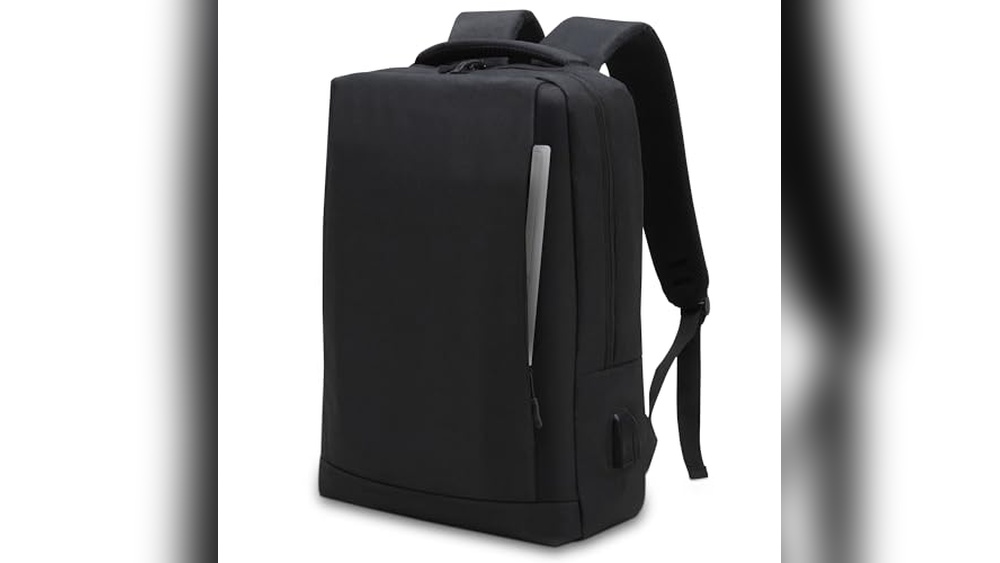
Have you ever struggled to remove a pin from your backpack and felt frustrated? You’re not alone.
Pins can be tricky, especially when they’re stuck or tightly fastened. But don’t worry—removing that pin doesn’t have to be a hassle. You’ll discover simple, effective methods to take off a pin from your backpack quickly and safely. Keep reading, and you’ll learn the easy steps that save your bag and your patience.
Tools Needed
Removing a pin from a backpack requires a few simple tools. Having the right tools makes the process easier and safer. It helps protect your backpack and avoids damage.
Here are the basic tools you need to take off a pin from a backpack.
Needle-nose Pliers
Needle-nose pliers grip small parts tightly. They help hold the pin steady. You can pull or twist the pin carefully without hurting the fabric.
Flathead Screwdriver
A small flathead screwdriver can pry open the pin’s clasp. It slides under the pin’s locking part. This tool is useful for stubborn or tight pins.
Protective Cloth
Use a soft cloth to protect your backpack’s surface. Place it between the tool and the fabric. This prevents scratches or marks during removal.
Magnifying Glass
A magnifying glass helps you see small parts clearly. It makes it easier to work with tiny pins or clasps. Good vision reduces the risk of damage.
Identify The Pin Type
Identifying the type of pin on your backpack helps you remove it safely. Pins come in different styles and sizes. Knowing the exact type makes the process easier and avoids damage.
Safety Pin
Safety pins are common on backpacks. They have a simple design with a clasp. To remove, open the clasp and gently pull the pin out.
Butterfly Clutch Pin
Butterfly clutch pins have two small metal wings. Press both wings to release the pin. Pull the pin away from the backpack carefully.
Magnetic Pin
Magnetic pins attach with a strong magnet. Separate the magnet piece from the pin part. Then, remove the pin from the fabric.
Rubber Clutch Pin
Rubber clutch pins have a soft, flexible back. Hold the rubber piece and pull it away from the pin. This frees the pin from the backpack.
Locking Pin
Locking pins use a twist or lock mechanism. Turn the lock to unlock it. Then, pull the pin gently to remove it.
Prepare Your Workspace
Before removing a pin from your backpack, set up a good workspace. A clean and organized area helps you work easily. It also protects your backpack and the pin.
Choose a flat surface with enough light. This makes it easier to see small parts and work safely.
Choose A Clean, Flat Surface
Pick a table or desk that is smooth and flat. Avoid soft surfaces like beds or couches. They can make the pin hard to handle. A flat surface keeps the pin steady.
Gather Necessary Tools
Collect tools before starting. You may need pliers, tweezers, or a small screwdriver. Having tools ready saves time. It also prevents interruptions during the process.
Ensure Good Lighting
Work in a bright place or use a desk lamp. Good light helps you see details clearly. It reduces eye strain and mistakes.
Protect Your Backpack
Place a soft cloth under the backpack. This stops scratches and damage. It also keeps the backpack stable while you work.
Loosen The Pin Backing
Removing a pin from a backpack starts with loosening its backing. This step helps avoid damage to the fabric and the pin itself. The backing holds the pin tightly in place, so it must be handled carefully.
Take your time. Rushing can bend the pin or tear your backpack.
Identify The Type Of Pin Backing
Look closely at the pin’s backing. Some pins have butterfly clutches, while others use rubber or metal clasps. Each type needs a slightly different approach.
Knowing the type helps you loosen the backing safely.
Hold The Pin Steady
Grip the pin on the front side firmly. Use your thumb and finger to keep it still.
This prevents the pin from spinning as you loosen the backing.
Pinch Or Twist The Backing Gently
For butterfly clutches, pinch the two small tabs and pull gently. For rubber or metal clasps, twist or pull slowly.
Do not force the backing. Gentle pressure works best.
Keep Your Backpack Flat And Supported
Place the backpack on a flat surface. Support the area around the pin with your hand.
This support stops the fabric from stretching or ripping during removal.
Remove The Pin Carefully
Removing a pin from a backpack requires care to avoid damage. Pins can be sharp or delicate. Handling them gently keeps your backpack safe. Follow simple steps to remove the pin without harm.
Find a clean, flat surface to work on. This helps keep the pin steady. Good lighting makes the pin easier to see. Clear the area around your backpack.
Hold The Backpack Steady
Place the backpack on the flat surface. Use one hand to hold the fabric firmly. Keep the area around the pin taut. This prevents the fabric from tearing.
Use Appropriate Tools
Grab a pair of small pliers or tweezers. These tools give better grip on the pin. Avoid using your fingers alone. Tools reduce the risk of injury.
Pull The Pin Out Slowly
Gently grip the pin head with your tool. Pull straight out with steady pressure. Avoid twisting or bending the pin. Slow movement prevents fabric damage.
Check For Leftover Parts
After removal, inspect the area for pin pieces. Remove any sharp fragments carefully. This keeps your backpack safe to use. Dispose of the pin parts properly.
Handle Stubborn Pins
Stubborn pins on a backpack can be hard to remove. They might be stuck due to rust, tight clasps, or fabric caught inside. Handling these pins carefully is important to avoid damage to your backpack or hurting your fingers.
Using the right tools and methods makes the process easier and safer. Here are some simple ways to handle stubborn pins.
Use Pliers For A Better Grip
Small pins can be hard to hold with fingers. Use needle-nose pliers to grip the pin firmly. Pull the pin gently while twisting it slightly. Avoid pulling too hard to prevent breaking the pin or hurting the fabric.
Apply Lubricant For Rusty Pins
Rusty pins may not move easily. Apply a small amount of lubricant like WD-40. Let it sit for a few minutes to loosen the rust. Wipe off any excess before trying to remove the pin again. This reduces friction and helps the pin slide out smoothly.
Protect Fabric With A Cloth
Stubborn pins can catch or tear the fabric. Place a thin cloth between the pin and the backpack. This prevents damage during removal. The cloth also gives extra grip and cushions the pressure on the fabric.
Work Slowly And Patiently
Rushing can cause tears or broken pins. Work slowly, applying steady pressure. Small movements are better than strong pulls. Take breaks if needed to avoid frustration and mistakes.
Protect Your Backpack Fabric
Protecting your backpack fabric is important before removing a pin. Pins can cause damage if not handled carefully. The fabric may tear, snag, or leave holes. Taking simple steps helps keep your backpack looking new and sturdy.
Understanding how to protect the fabric saves money on repairs. It also keeps your backpack strong for daily use. Small actions make a big difference in fabric care.
Examine The Pin And Fabric Area
Look closely at the pin and fabric before removal. Check for any weak spots or stretched areas. This helps you plan how to remove the pin safely. Avoid pulling on tight or thin fabric sections.
Use Gentle Tools For Removal
Select tools like tweezers or needle-nose pliers with smooth edges. Avoid sharp or rough tools that may cut the fabric. Gentle tools reduce the risk of snagging or tearing. Handle the pin slowly and carefully.
Support The Fabric While Removing
Hold the fabric firmly around the pin. This keeps it from stretching or pulling too much. Use one hand to support the fabric, the other to remove the pin. Steady support prevents accidental damage.
Clean The Area After Pin Removal
Remove any rust, dirt, or residue left by the pin. Use a soft cloth or mild cleaner suitable for your backpack fabric. Cleaning keeps the material fresh and avoids stains. Let the fabric dry completely before use.
Store Or Dispose Of Pins Safely
Removing a pin from your backpack is only the first step. Storing or disposing of the pin safely is just as important. Pins are small and sharp, so careless handling can cause injury or loss. Keeping them organized or throwing them away properly protects you and others. It also helps keep your space neat and safe.
Store Pins In A Small Container
Use a small box or tin to keep pins safe. This stops pins from falling and causing harm. A container with a lid works best. It keeps pins together and easy to find later. Label the container to know what’s inside quickly.
Wrap Pins In Paper For Disposal
Wrap pins in a piece of paper before throwing them away. This blocks the sharp points from poking through trash bags. Use thick paper or cardboard for better protection. Secure the paper with tape to keep pins inside. This method protects trash collectors and pets from injury.
Recycle Pins When Possible
Some pins are made of metal and can be recycled. Check local recycling rules to see if pins are accepted. Clean the pins before recycling to remove dirt or glue. Recycling helps reduce waste and saves resources. Keep pins separate from other trash for easy recycling.
Keep Pins Away From Children And Pets
Store pins in a place children and pets cannot reach. Pins can cause choking or cuts if swallowed or touched. Use a high shelf or locked drawer for storage. Always remind family members about pin safety. Safe storage prevents accidents at home.
Frequently Asked Questions
How Do You Safely Remove A Pin From A Backpack?
To safely remove a pin, hold the backpack steady. Gently pull the pin’s clasp or back. Avoid force to prevent damage to fabric or the pin itself.
What Tools Help In Taking Off A Backpack Pin?
Usually, no tools are needed to remove a pin. If stuck, use small pliers carefully. Always protect the fabric from scratches during removal.
Can Removing A Pin Damage My Backpack?
Removing a pin carefully should not damage your backpack. Be gentle to avoid tearing or leaving holes. Pins designed for backpacks are easy to detach safely.
How To Remove A Stuck Pin Without Damage?
If a pin is stuck, wiggle it slowly while pulling. Use pliers for a better grip if needed. Avoid pulling too hard to protect the backpack fabric.
Conclusion
Removing a pin from a backpack is simple with the right steps. Take your time and be gentle to avoid damage. Use tools like pliers for stubborn pins. Always check the backpack fabric before pulling hard. This keeps your bag looking good and lasting longer.
Now, you can easily change or clean your backpack without worry. Practice these tips to keep your gear neat and safe. Easy, quick, and careful—just what you need.