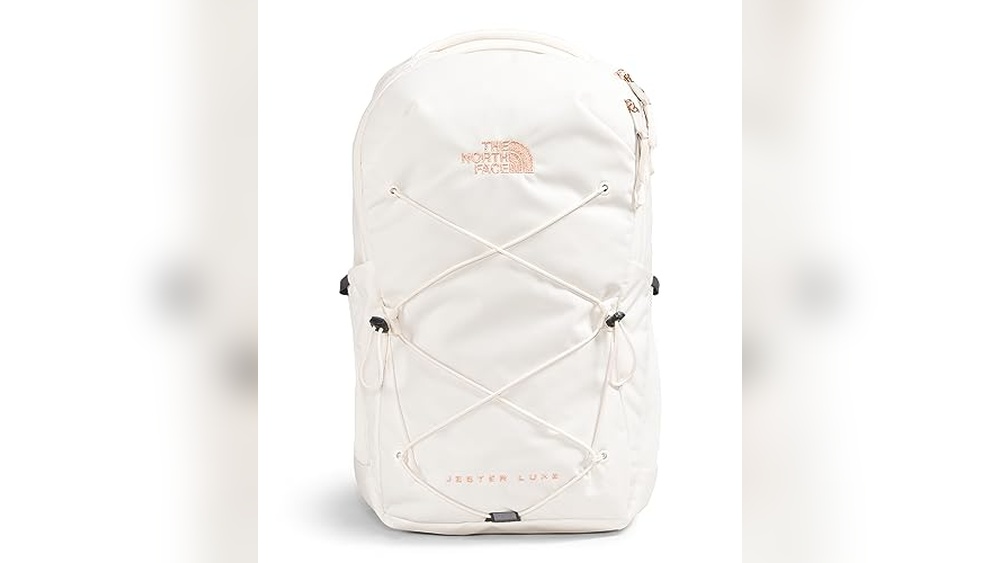
Are you wondering how many inches a standard school backpack measures? Choosing the right size backpack is more important than you might think.
If your backpack is too big or too small, it can affect your comfort and how well you carry your school supplies. You’ll discover the exact dimensions that make a school backpack just right for you. Keep reading to find out how to pick the perfect size that fits your needs and keeps you comfortable all day long.
Standard Backpack Dimensions
Standard backpack dimensions help students carry their books and supplies comfortably. Backpacks come in various sizes, but there is a typical range for school use. Understanding these sizes helps choose the right backpack for daily needs. Size affects comfort, storage, and ease of use.
Most backpacks designed for school have a balanced size to hold textbooks, notebooks, and small devices. The measurements focus on height, width, and depth. These dimensions ensure the backpack fits well on a student’s back and holds enough items without being too bulky.
Typical Height And Width
The typical height of a school backpack ranges from 16 to 20 inches. This height fits most standard textbooks and folders. Width usually ranges between 12 and 14 inches. This width allows enough space for books without making the backpack too wide or heavy.
These dimensions suit children and teenagers. They make carrying the backpack easier and reduce strain on the shoulders and back.
Average Depth Measurements
The depth of a standard school backpack is generally between 6 and 8 inches. This depth gives enough room for multiple books and lunch boxes. It also provides space for small items like pens, calculators, and snacks.
Backpacks with this depth stay compact and balanced. They avoid being too bulky, which can cause discomfort during long school days.
Factors Influencing Backpack Size
Choosing the right backpack size depends on several important factors. These factors help ensure the backpack fits well and meets daily needs. Understanding them guides you to the best size choice.
Backpack size is not just about inches but also about how the bag supports comfort and holds essentials. Different kids and grades need different sizes. Let’s explore what influences backpack size.
Age And Grade Level
Young children usually need smaller backpacks. Their bodies are smaller and less strong. As students grow, their backpack size should increase to match their size and strength. Older students carry more books and supplies, so bigger backpacks work better.
Storage Needs
Backpack size depends on what must fit inside. Some students carry only a few books and lunch. Others need space for laptops, folders, and sports gear. Knowing what items a student carries helps pick the right size. Too small means stuff won’t fit. Too large can be heavy and awkward.
Comfort And Fit
A backpack must feel good on the back. Straps should not dig into shoulders. The weight should spread evenly. Backpacks with adjustable straps help fit different body sizes. A well-fitting backpack prevents pain and injury. Comfort is a key part of choosing the right size.
Backpack Sizes For Different Grades
Backpacks come in various sizes to fit students of different ages. Each school grade has unique needs for carrying books and supplies. Choosing the right size helps with comfort and organization. This section explains the typical backpack sizes for elementary, middle, and high school students.
Elementary School Backpacks
Elementary backpacks are smaller and lighter. They usually measure between 12 to 15 inches in height. These sizes fit younger kids well and avoid extra weight. Bright colors and simple designs are common. These backpacks hold small books, lunch boxes, and a few supplies.
Middle School Backpacks
Middle school backpacks grow a bit larger. They often range from 16 to 18 inches tall. These sizes fit more books and folders. Students need room for sports gear and electronics. Durable materials help carry heavier loads. Middle school backpacks balance size and comfort.
High School Backpacks
High school backpacks are the largest. They typically measure 18 to 20 inches or more. These backpacks hold textbooks, laptops, and binders. Many have extra pockets for organization. Strong straps and padding support the heavier weight. High school backpacks must be practical and roomy.
Measuring Your Backpack
Measuring your backpack helps ensure it fits well and holds all your school supplies. Knowing the exact size can guide you in choosing the right backpack. The measurement focuses on height, width, and depth, which affect the backpack’s capacity and comfort.
Tools You Need
Gather a measuring tape or a ruler with inches. A flat surface to place the backpack is helpful. You may also want a notepad to write down your measurements.
Step-by-step Measuring Guide
Start by placing the backpack on a flat surface. Measure the height from the bottom to the top. Next, measure the width at the widest part. Finally, measure the depth from front to back. Write down each measurement clearly. These numbers show the backpack’s size in inches.
Choosing The Right Size Backpack
Choosing the right size backpack for school is important. It affects comfort and how much you can carry. A backpack too big or too small causes problems. The right size supports your back and holds all your items. Understanding size and features helps make a good choice.
Balancing Capacity And Comfort
The backpack must hold books, lunch, and supplies. Too large means extra weight and bulk. Too small means squeezing and damage to items. Choose a backpack with enough space but not too big. Comfort comes first. Your backpack should feel light and fit your back well.
Adjustable Features
Look for backpacks with adjustable straps. Shoulder straps help fit different body sizes. Chest and waist straps improve stability and reduce strain. Adjust straps to keep the backpack close to your body. This prevents swinging and helps maintain balance.
Weight Distribution Tips
Pack heavy items close to your back. Place books and laptops near the center. Use compartments to separate items and keep weight even. Avoid overloading one side. Carrying weight evenly reduces back pain and improves posture. Lighten the load by carrying only what you need each day.
Popular Backpack Brands And Their Sizes
Many popular backpack brands offer a range of sizes. These sizes suit different needs and ages. Knowing the size helps you pick the right backpack. It avoids buying one that is too big or too small. Each brand has its own size chart. Some fit younger kids, while others suit older students.
Understanding these sizes helps parents and students find comfort and style. It also ensures the backpack carries all school supplies without strain. Let’s explore some well-known brands and their common sizes.
Brand Size Comparisons
JanSport backpacks usually measure between 16 and 19 inches tall. These sizes fit most school children comfortably. Eastpak offers sizes from 15 to 20 inches. Their designs often include extra compartments for organization.
Herschel backpacks tend to be around 17 to 18 inches. They balance style and function well. Nike backpacks come in sizes from 16 to 21 inches. Their larger models work well for high school or college students.
Adidas backpacks range from 17 to 20 inches. They include sporty designs with padded straps. These brands focus on standard sizes that suit a wide range of students.
Specialty And Custom Sizes
Some brands create specialty backpacks for younger children. These are usually smaller, around 12 to 15 inches. Brands like Skip Hop and Wildkin offer such options. These smaller sizes fit preschoolers and early elementary students well.
Custom backpacks allow size adjustments. Some companies offer backpacks made to measure. These fit specific needs, like extra padding or larger compartments. Custom sizes help with back support and comfort. They also serve students with unique requirements.
Choosing the right size from popular or custom options improves daily use. It reduces back pain and keeps supplies organized.
Backpack Size And School Requirements
Choosing the right backpack size is important for school. Schools often set rules about backpack dimensions. These rules help keep hallways clear and lockers functional. They also ensure backpacks fit well on students’ backs. Understanding these requirements can save time and stress.
Common School Policies
Many schools limit backpack width to about 12 to 16 inches. Height limits often range from 16 to 20 inches. Depth usually stays under 8 inches. Some schools ask for soft-sided backpacks only. Others ban backpacks with wheels or hard frames. Always check your school’s specific rules before buying.
Avoiding Size-related Issues
Choose a backpack that fits your child’s height and body size. Too large backpacks cause discomfort and back pain. Overly big backpacks may not fit in lockers. Avoid heavy backpacks by picking one with multiple compartments. Proper size ensures comfort and meets school standards. Double-check backpack size before school starts to avoid problems.
Frequently Asked Questions
How Many Inches Is A Standard School Backpack?
A standard school backpack is typically 16 to 20 inches tall. This size fits most children and teenagers comfortably while holding essential school supplies.
What Is The Average Width Of A School Backpack?
The average width of a school backpack ranges between 12 and 14 inches. This width provides enough space for books and lunchboxes without being bulky.
How Deep Should A School Backpack Be?
Standard school backpacks are about 6 to 8 inches deep. This depth allows for multiple compartments and keeps items organized efficiently.
Are School Backpacks Size Regulations Standardized?
There are no strict size regulations for school backpacks. However, most follow common dimensions to balance comfort and capacity for daily use.
Conclusion
A standard school backpack usually measures about 16 to 18 inches tall. This size fits most students and carries books comfortably. Choosing the right size helps avoid back pain and keeps things organized. Remember, a backpack should feel light and easy to carry.
Measuring your child’s height can guide you to the perfect fit. A good backpack supports school days and daily activities well. Small details make a big difference in comfort and use. Keep these points in mind when selecting a school backpack.