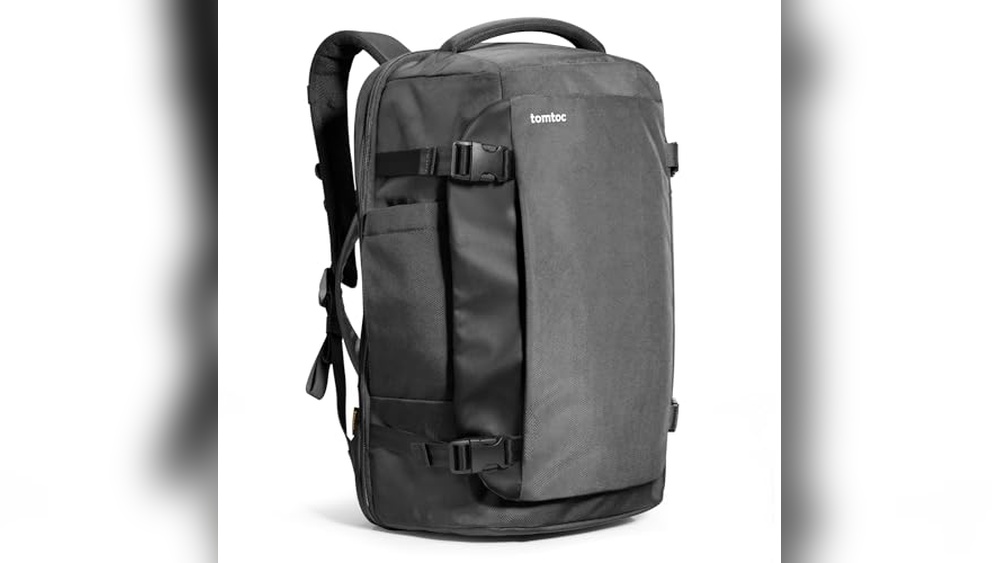
Choosing the right backpack for running can make all the difference in your comfort and performance. You want something that fits perfectly, stays secure, and carries just what you need without weighing you down.
But with so many options out there, how do you find the one that suits your style and pace? Keep reading, because we’re about to break down everything you need to know to pick the perfect running backpack tailored just for you.
Your next run could be your best one yet.
Benefits Of Running Backpacks
Running backpacks offer many benefits for runners of all levels. They make running more comfortable and practical. Choosing the right backpack can improve your running experience. It helps carry essentials without slowing you down.
Improved Mobility
Running backpacks are designed to fit snugly and move with your body. This design prevents bouncing and discomfort. You can run faster and longer without distraction. The lightweight materials keep your load minimal. Mobility stays smooth, so you focus only on your run.
Hydration On The Go
Many running backpacks include built-in hydration systems. You can drink water without stopping. Staying hydrated helps keep energy and performance high. Easy access to fluids reduces the risk of dehydration. It is a smart solution for long runs or hot days.
Storage For Essentials
Running backpacks provide space for keys, phone, snacks, and more. They keep your hands free and your pockets light. Organized compartments help you find items quickly. Carrying essentials safely means less worry during your run. This storage makes running out and about easier and safer.
Key Features To Consider
Choosing the right backpack for running is important. The right features make your runs easier and more comfortable. Focus on the key features that matter most. These features affect how well the backpack fits and performs. Here are the main points to think about.
Weight And Size
The backpack should be light. Heavy backpacks slow you down and tire you quickly. Choose a size that fits your needs. A small backpack holds essentials without extra bulk. Avoid carrying too much weight. Keep it simple and light.
Material And Durability
Pick a backpack made from strong material. It should handle rough use and weather. Look for water-resistant fabrics to protect your items. Durable zippers and stitching last longer. Quality materials save money over time.
Breathability And Ventilation
Running makes you sweat. A breathable backpack helps air flow. Mesh panels or ventilated back padding reduce sweat build-up. Good ventilation keeps you cooler and more comfortable. Avoid backpacks that trap heat.
Adjustability And Fit
Adjustable straps ensure a snug fit. A well-fitted backpack won’t bounce or shift. Look for chest and waist straps for extra support. Proper fit prevents chafing and discomfort. Test the fit before buying.
Types Of Running Backpacks
Choosing the right backpack for running depends on your needs and style. Different types suit different runners. Knowing each type helps you pick the best fit. Comfort, size, and use matter most. Here are common types of running backpacks.
Hydration Packs
Hydration packs hold water in a built-in bladder. You drink through a tube without stopping. These packs are great for long runs. They keep you hydrated and hands-free. Most have extra space for small items like keys or snacks. Lightweight and snug, they stay close to your body.
Minimalist Backpacks
Minimalist backpacks focus on simplicity and lightness. They carry just the essentials. Perfect for short runs or fast training. These packs have few pockets and less bulk. They reduce weight and avoid bouncing. Ideal if you want to run fast and light.
Trail Running Packs
Trail running packs are made for rough paths and long distances. They hold more gear than minimalist packs. Pockets for food, maps, and safety tools are common. These packs fit securely and balance weight well. Designed to handle hills, mud, and rocks without slipping.
Choosing The Right Fit
Choosing the right fit for your running backpack is key to comfort and performance. A well-fitted backpack stays stable and feels light. It prevents chafing and reduces fatigue during runs. Focus on the fit before anything else.
Measuring Your Torso Length
Start by measuring your torso length, not your full body height. Use a tape measure from the base of your neck to the top of your hips. This measurement helps find a backpack that matches your back size. A backpack too long or too short can cause discomfort.
Adjusting Straps And Harnesses
Straps and harnesses let you customize the fit. Tighten shoulder straps to keep the pack close to your body. Adjust the chest strap to stabilize the load and reduce bounce. Use hip straps to shift weight to your hips, easing pressure on shoulders.
Balancing Load Distribution
Balance is important for a smooth run. Pack heavier items close to your back and near the center. Avoid uneven weight that pulls you sideways. A balanced backpack feels natural and keeps your posture correct.
Comfort Features To Look For
Choosing a running backpack means focusing on comfort. Comfort helps you run longer without pain or irritation. Good comfort features make your run smooth and enjoyable. Here are some key comfort features to check in a running backpack.
Padded Straps
Padded straps reduce pressure on your shoulders. They prevent straps from digging into your skin. Soft padding cushions your shoulders during movement. Look for straps with thick, soft padding. Adjustable straps help fit the backpack perfectly to your body.
Ventilated Back Panels
Ventilated back panels improve airflow on your back. They help sweat evaporate faster. This keeps your back dry and cool. Mesh panels allow air to pass through. Breathable fabrics reduce heat and moisture build-up. Ventilation makes running more comfortable, especially in hot weather.
Seamless Designs
Seamless designs avoid rough stitching or bumps inside the backpack. They reduce rubbing and chafing on your skin. Smooth surfaces feel gentle on your back. This design keeps your skin safe from irritation. A seamless backpack fits close without causing discomfort during runs.
Essential Accessories And Add-ons
Choosing the right backpack for running means paying attention to essential accessories and add-ons. These features improve comfort and make your runs easier. Small details can make a big difference during your workout.
Focus on hydration, safety, and storage. These three aspects help you stay prepared and comfortable. A backpack with the right extras supports your running goals.
Hydration Bladders
Hydration bladders let you carry water without stopping. They fit inside your backpack and connect to a tube. Sip water while running without slowing down. Choose a bladder with easy refilling and cleaning. This keeps you hydrated on long runs.
Reflective Elements
Reflective elements improve your visibility in low light. They reflect light from cars and street lamps. This makes you safer during early morning or evening runs. Look for backpacks with reflective strips or logos. These add-ons increase your safety without extra weight.
Storage Compartments
Storage compartments keep your items organized and secure. Separate pockets hold keys, phone, and snacks. This stops items from bouncing or falling out. Small compartments help you find things quickly. A backpack with multiple compartments keeps you focused on running.
Tips For Testing Backpacks
Testing a running backpack before buying is important. It helps you find the best fit and comfort. A good test shows how the backpack moves and feels during runs. Try different ways to test the pack. Notice how it handles weight and fits your body. Small tests can save big troubles later.
Trial Runs
Wear the backpack on short runs first. Start with easy routes to see how it feels. Check if it stays stable or bounces a lot. Pay attention to straps and padding. Make sure nothing rubs or hurts your skin. Try running fast and slow to test different speeds.
Load Testing
Fill the backpack with items you usually carry. Water, snacks, keys, and phone are good choices. Run with the full load to feel the weight. Notice if the pack pulls down or shifts side to side. Adjust straps to balance the weight. A good backpack keeps everything secure and close.
Adjusting For Different Conditions
Test the backpack in various weather and terrain. Run on trails, roads, and hills to see how it performs. Try it in rain or heat to check breathability and water resistance. Adjust straps for different clothes or layers. A versatile backpack adapts well to your running needs.
Frequently Asked Questions
What Features Make A Backpack Suitable For Running?
A running backpack should be lightweight, breathable, and snug-fitting. Look for adjustable straps, hydration compatibility, and reflective elements for safety. These features enhance comfort and convenience during runs.
How Important Is Backpack Weight For Runners?
Backpack weight is crucial; lighter backpacks reduce fatigue and improve endurance. Choose materials that are durable yet lightweight to maintain comfort without sacrificing functionality.
Should I Prioritize Hydration Packs In Running Backpacks?
Yes, hydration packs are essential for long runs. They provide easy access to water without stopping, helping maintain hydration and performance.
What Size Backpack Is Ideal For Running?
A small to medium-sized backpack (5-15 liters) works best. It offers enough space for essentials without hindering mobility or adding bulk.
Conclusion
Choosing the right backpack helps make running more comfortable and safe. Focus on size, fit, and weight to avoid distractions. Look for pockets and straps that keep items secure and easy to reach. Breathable materials help keep you cool during runs.
Remember, the best backpack feels natural on your back. Take time to test different types before deciding. A good choice keeps you focused on your run, not your gear. Keep it simple and practical for the best results.