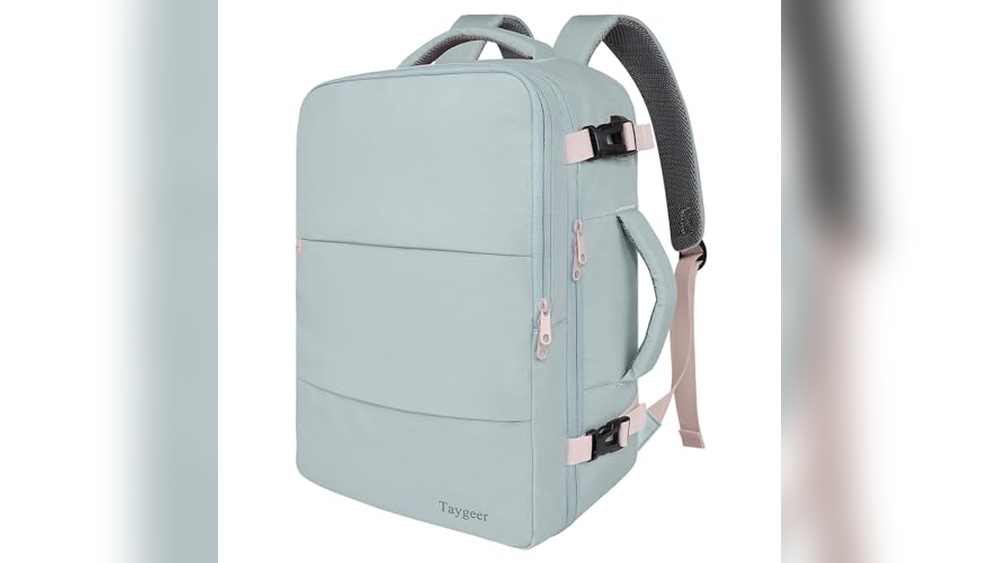
You’ve got a black backpack that’s perfect for carrying your stuff—but sometimes, it sticks out way more than you want. Whether you want to blend in with your surroundings, avoid unwanted attention, or simply give your backpack a fresh look, camouflaging it can make a big difference.
In this guide, you’ll discover easy and creative ways to transform your black backpack so it fits your style and needs perfectly. Ready to make your backpack less noticeable and more you? Keep reading to learn how!
Choose The Right Camouflage Patterns
Choosing the right camouflage patterns is key to hiding a black backpack effectively. The pattern should blend well with the surroundings. This makes the backpack less noticeable and helps it merge with the environment.
Careful pattern selection can change how visible the backpack is. Different places need different colors and designs. This section explains how to pick the best pattern for your needs.
Match Environment Colors
Colors in the camouflage should match the colors around you. Forests need green and brown shades. Deserts require tan and light brown tones. Urban areas suit gray and black mixes.
Observe the main colors in your area. Choose patterns that mimic these colors closely. This helps the backpack blend naturally with the background.
Popular Camouflage Styles
Some camouflage styles are widely used and easy to find. Woodland camo has green, brown, and black patches. It works well in forests and parks. Digital camo uses small pixel shapes. It fits many environments.
Desert camo uses lighter colors for sandy places. Urban camo blends grays and blacks for city use. Pick a style that matches your typical surroundings.
Seasonal Pattern Choices
Seasons change colors in nature. Summer has bright greens. Autumn shows orange, red, and yellow leaves. Winter often has snow and bare branches.
Use bright green camo in summer. Switch to earth tones in fall. Choose white or gray for snowy winter areas. Changing patterns with seasons keeps your backpack hidden all year.
Use Fabric Covers And Wraps
Fabric covers and wraps offer a simple way to camouflage a black backpack. They change the backpack’s look instantly. Fabric is soft, easy to use, and comes in many patterns. You can match the cover to your surroundings to blend in better.
Using fabric covers also protects your backpack from dirt and scratches. They are light and easy to carry. You can remove or change them anytime. This method works well for outdoor activities like hiking or camping.
Diy Camouflage Wraps
Make your own camouflage wrap using old clothes or fabric scraps. Choose green, brown, or tan colors for natural looks. Cut the fabric into strips or patches. Wrap the fabric around your backpack and tie or sew it. This lets you customize your cover to fit perfectly.
Using Bandanas And Scarves
Bandanas and scarves are quick, easy wraps for your backpack. Pick camouflage or earth-tone colors. Fold the bandana or scarf and wrap it tightly. Tie a knot to secure it. These fabrics are light and can be removed fast. They add style and blend your backpack with nature.
Waterproof Covers
Waterproof fabric covers protect your backpack from rain and dirt. Look for covers with camouflage prints. These covers slip over your backpack easily. Waterproof material keeps your gear dry and hidden. It is perfect for wet or muddy environments. Choose covers with adjustable straps for a snug fit.
Add Natural Elements
Adding natural elements is a smart way to camouflage a black backpack. It blends the bag with the surrounding environment. This method works well outdoors, especially in forests or parks.
Using leaves, branches, moss, and grass makes the backpack less visible. These materials match the colors and textures of nature. They create a natural look that hides the backpack effectively.
Attaching Leaves And Branches
Collect fresh leaves and small branches from the area. Avoid dry or brittle ones to prevent shedding. Use a strong thread or thin wire to fasten them to the backpack.
Attach leaves along the sides and top for full coverage. Position branches to break the backpack’s outline. This helps the bag blend into bushes and trees.
Incorporating Moss And Grass
Moss and grass add texture and color variety. Find soft moss patches and long grass blades nearby. Use glue or double-sided tape to stick them on the backpack.
Cover flat surfaces with moss to create a green base. Insert grass blades vertically to mimic natural growth. This adds depth and helps disguise the backpack.
Securing Natural Materials Safely
Ensure all materials are firmly attached to avoid falling off. Use strong adhesives made for outdoor use. Check knots and fastenings regularly during use.
Avoid sharp wires or pins that can damage the backpack or hurt you. Choose soft twine or fabric strips for tying. Test the camouflage setup before going out.
Modify Backpack Shape
Changing the shape of your black backpack helps it blend into its surroundings. A smooth, uniform shape stands out. Altering its outline makes the backpack less noticeable. This can be done by adding materials and textures. Avoiding shiny parts also reduces unwanted attention.
Breaking Up The Outline
Cutting or covering parts of the backpack breaks its clear shape. Attach irregular pieces of fabric or patches. This stops the backpack from looking like a solid block. Use shapes that blend with your environment. The goal is to confuse the eye and hide edges.
Adding Texture With Materials
Textures add depth and reduce shine. Use rough or natural materials like burlap or felt. These materials catch light differently and mask the backpack’s surface. Layering fabrics can create a rugged look. This makes the backpack look like part of the background.
Avoiding Reflective Surfaces
Shiny surfaces reflect light and attract attention. Remove or cover any glossy parts. Use matte paints or cloth to dull shiny areas. This helps the backpack blend into dark or natural settings. Keep the surface flat and soft to avoid reflections.
Use Paint And Markers
Using paint and markers is a creative way to camouflage a black backpack. This method allows you to add unique designs that blend with your environment. You can choose colors and patterns that suit your style and surroundings. It also helps cover plain black areas with interesting visuals. This section explains how to pick the right paint, create patterns, and keep your design long-lasting.
Choosing Suitable Paint Types
Select paint made for fabric or leather. These paints stick well and do not crack easily. Acrylic paint works well on many backpack materials. Fabric paint is soft and flexible after drying. Markers designed for fabric give more control for details. Avoid regular craft paint; it might peel off quickly. Test a small spot before painting the whole backpack.
Creating Pattern Designs
Simple patterns work best for camouflage. Use shapes like leaves, branches, or abstract lines. Mix dark green, brown, and tan colors for natural looks. Start with light colors as a base, then add darker shades. Use markers to add small details or outlines. Let each layer dry before adding the next. Keep patterns uneven for a natural effect.
Ensuring Durability
Seal your design with a clear fabric spray. This protects paint from water and wear. Avoid rubbing the painted areas too hard. Let the backpack dry fully before use. Store it away from direct sunlight to prevent fading. Reapply the sealant every few months for extra protection. Proper care keeps your camouflage fresh and strong.
Employ Stealth Accessories
Employing stealth accessories helps your black backpack blend into outdoor settings. These small changes reduce visibility and break the solid black color. This section explores simple and effective tools to make your backpack less noticeable.
Camouflage Patches And Stickers
Camouflage patches and stickers cover large black areas easily. Choose patterns that match the environment like woodland or desert. Stick patches on flat surfaces for best effect. Use fabric patches for a natural, textured look. These add style while hiding your backpack’s outline.
Using Mesh Netting
Mesh netting softens sharp edges of your backpack. Drape netting over your bag to create texture and depth. It breaks the backpack’s shape and blends it with surroundings. Attach small leaves or twigs to the netting for extra camouflage. Lightweight and flexible, mesh netting works well outdoors.
Attaching Small Camouflage Gear
Attach small camouflage gear like pouches and straps. Use muted colors and patterns matching nature. These items add bulk and disguise the backpack’s form. Clip gear on loops or straps for easy access and better blending. This method offers both function and stealth.
Maintain And Adjust Camouflage
Maintaining and adjusting the camouflage on your black backpack keeps it effective and long-lasting. This process involves regular care, changes to match your environment, and fixing any damage. Taking time to maintain your backpack’s camouflage ensures it blends well with its surroundings.
Regular Cleaning Tips
Clean your backpack gently to keep the camouflage fresh. Use a soft brush or cloth to remove dirt and dust. Avoid harsh detergents that can fade colors. Spot cleaning works best for small stains. Let your backpack air dry completely before use.
Adapting To Changing Environments
Change your backpack’s appearance based on where you go. Use removable covers or patches in different colors. Add natural elements like leaves or twigs for better blending. Stay aware of the season and surroundings. Adjustments help your backpack stay hidden effectively.
Repairing Worn Camouflage
Fix tears or worn spots quickly to keep your camouflage intact. Sew small holes with matching thread. Use fabric glue for quick repairs on patches. Replace damaged covers or paint if needed. Repairing stops damage from getting worse and keeps your backpack looking good.
Frequently Asked Questions
How Can I Camouflage A Black Backpack Outdoors?
Use natural elements like leaves, branches, or fabric covers to blend your black backpack with surroundings. Choose colors and textures matching the environment for effective camouflage.
What Materials Work Best To Hide A Black Backpack?
Earth-toned fabrics, camouflage nets, and natural foliage work best. These materials break the backpack’s outline and reduce visibility in outdoor settings.
Can I Use Paint To Camouflage My Black Backpack?
Yes, using fabric or spray paint in camouflage patterns helps. Ensure the paint is suitable for the backpack’s material and dries fully before use.
Is It Possible To Camouflage A Black Backpack In Urban Areas?
Yes, use neutral-colored covers or patches matching urban environments. Patterns like gray, brown, or muted tones help blend into city backgrounds.
Conclusion
Camouflaging a black backpack can be simple and fun. Use colors and patterns that match your surroundings. Add patches, covers, or fabric for a fresh look. Change your backpack’s appearance anytime you want. These tips help your bag blend in easily.
Stay creative and try different ideas often. Your black backpack won’t stand out anymore. Enjoy making it fit your style and place. Keep practicing, and you will get better. Camouflage made easy and practical for everyday use.