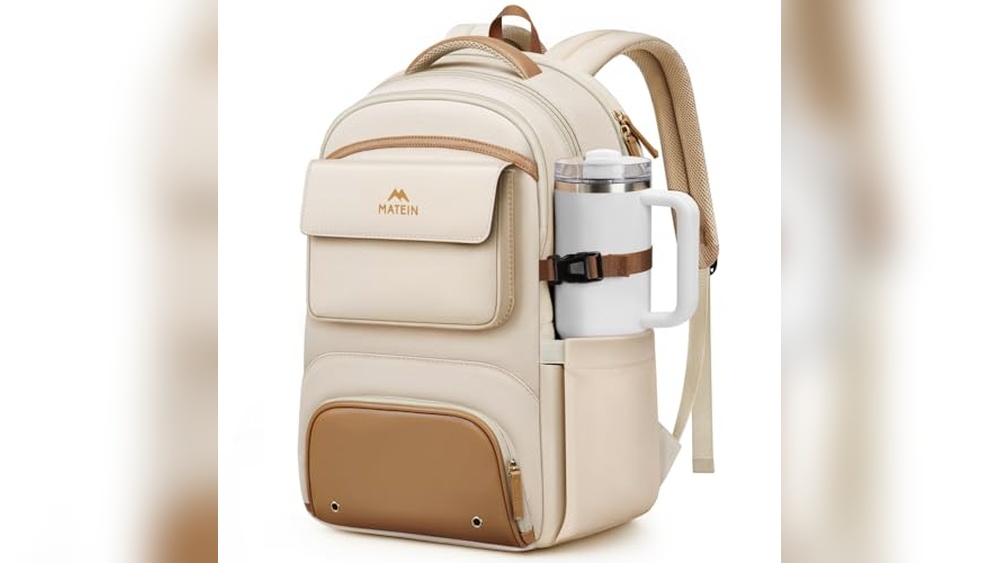
Choosing the right weight for your backpacking base pack can make or break your adventure. If your pack is too heavy, you’ll tire quickly and lose the joy of the trail.
Too light, and you might miss essential gear that keeps you safe and comfortable. You want to find that perfect balance that lets you move freely while still having everything you need. You’ll discover exactly how heavy your backpack should be, why weight matters, and simple tips to help you pack smarter.
Keep reading to make every step easier and every mile more enjoyable.
Ideal Base Pack Weight
The ideal base pack weight plays a key role in your backpacking experience. It affects how far you can hike and how much energy you use. A well-balanced pack makes walking easier and keeps you comfortable. Carrying too much weight can cause pain and slow you down. Finding the right weight depends on many factors. It is important to plan carefully and pack only what you need.
Factors Influencing Pack Weight
Trip length affects how much gear you need. Longer trips require more food and supplies, so your pack will be heavier. Weather conditions also matter. Cold or wet weather means carrying extra clothes and gear. Your fitness level changes how much weight you can carry. Beginners should start lighter to avoid injury. The terrain impacts pack weight too. Rocky or steep paths need more safety gear. Finally, personal preferences affect the load. Some hikers prefer carrying extra comfort items.
Recommended Weight Ranges
Experts suggest a base pack weight between 15 and 25 pounds. Ultralight hikers carry packs under 15 pounds. This weight is good for short trips and good weather. Traditional backpackers carry 20 to 25 pounds. This allows more gear and supplies for safety. Carrying over 30 pounds is usually too heavy. It causes fatigue and increases injury risk. Keep your pack as light as possible without missing essentials.
Balancing Comfort And Load
Comfort depends on how weight spreads across your body. Use padded shoulder straps and a hip belt to share the load. Pack heavier items close to your back and near your hips. This helps keep your balance and reduces strain. Test your pack before the trip to find the best fit. Adjust straps to avoid pressure points. A comfortable pack means you can hike longer and enjoy more.
Essential Gear To Include
Packing the right gear is key for a good backpacking trip. Carry only what you need. This keeps your base pack light and manageable. Focus on essentials that help you stay safe, comfortable, and prepared.
Shelter And Sleep System
A reliable shelter protects you from rain and wind. Choose a lightweight tent or a durable tarp. A sleeping bag with the right temperature rating keeps you warm. Use a compact sleeping pad to cushion the ground. These items help you rest well after a long day.
Cooking And Hydration
Bring a small stove for quick meals. Carry lightweight cookware to save space. Pack enough fuel for your trip length. A water filter or purification tablets ensure safe drinking water. Don’t forget a reusable water bottle or hydration bladder.
Clothing And Footwear
Choose clothes that dry fast and keep you warm. Layering works best to adjust to changing weather. Bring a waterproof jacket for rain protection. Wear sturdy, comfortable hiking boots or shoes. Carry extra socks to keep feet dry and blister-free.
Safety And Navigation Tools
A map and compass help you find your way. A headlamp or flashlight is essential for night. Pack a first aid kit for injuries and emergencies. Carry a whistle to signal for help if needed. These tools keep you safe and confident outdoors.
Weight Reduction Strategies
Reducing the weight of your backpack is key for a better hiking experience. Carrying less weight saves energy and helps you move faster. Smart packing and gear choices make a big difference. Simple strategies help keep your base pack light and efficient.
Lightweight Gear Choices
Choose gear made from light materials like aluminum or carbon fiber. Replace heavy items with lighter versions. Pick small, compact equipment that fits your needs. Avoid extra features that add weight but no real value. Every ounce counts on the trail.
Multi-use Items
Use items that serve more than one purpose. A bandana can be a towel, sun shield, or pot holder. A jacket that works for rain and warmth cuts the need for two items. Multi-use gear reduces the total number of things to carry.
Packing Techniques
Pack smart to spread weight evenly across your back. Place heavier items close to your spine for balance. Use compression sacks to reduce bulk and keep gear tight. Limit what you bring by planning your meals and clothes carefully. Organized packing avoids carrying unnecessary stuff.
Impact Of Weight On Hiking Performance
The weight of your backpack affects how well you hike. Carrying too much can make the trip harder. It changes how your body works and how far you can go. Understanding these effects helps you pack smart and enjoy the hike more.
Heavy loads demand more energy. Your muscles tire faster. This can slow you down and reduce your fun. Keeping your pack light helps keep your strength and speed steady.
Energy Consumption
Heavier backpacks increase the energy your body needs. Your heart beats faster to supply muscles with oxygen. You burn more calories than usual. This extra effort tires you out sooner. Light packs reduce this strain and save energy for longer hikes.
Pace And Endurance
Weight slows your walking speed. Heavy loads make each step harder. You may need more breaks to rest. This lowers your endurance over time. With a lighter pack, you keep a steady pace and hike longer without feeling tired.
Injury Risks
Backpacks that are too heavy raise injury risks. Stress on joints and muscles increases. Common problems include sore backs and knees. Carrying less weight protects your body and helps avoid pain. It makes hiking safer and more comfortable.
Adjusting Pack Weight By Trip Type
Adjusting the weight of your backpack depends on the type of trip. Different trips need different gear and supplies. This affects how heavy your pack will be. Knowing what to carry helps you stay comfortable and safe on the trail.
Short Vs. Long Trips
Short trips usually need less gear. You can carry fewer clothes and less food. Your pack stays lighter. Long trips require more supplies for many days. You must carry extra food, clothes, and equipment. This makes your pack heavier. Plan carefully to keep weight manageable.
Solo Vs. Group Hiking
Solo hikers carry all their gear alone. They must pack light to avoid strain. Group hikers can share some equipment. This sharing lowers individual pack weight. Group trips allow for more comfort items. Still, pack wisely to keep your load balanced.
Seasonal Considerations
Season changes affect what you need to pack. Winter trips need warm clothes and heavy gear. This adds to your pack weight. Summer trips require lighter clothes and less gear. Rainy seasons need waterproof items, which can add weight. Adjust your pack for the season’s demands.
Frequently Asked Questions
What Is The Ideal Weight For A Backpacking Base Pack?
The ideal weight is typically 20-30% of your body weight. This balance ensures comfort and reduces fatigue during long hikes.
How Does Pack Weight Affect Hiking Endurance?
Heavier packs increase energy use and fatigue. Lighter packs help maintain stamina and improve overall hiking endurance.
Should Base Pack Weight Vary By Trip Length?
Yes, longer trips usually require slightly heavier packs due to extra gear. Short trips allow lighter base pack weights.
How To Reduce Base Pack Weight Effectively?
Prioritize lightweight gear and eliminate non-essentials. Use multi-purpose items and pack smartly to minimize weight.
Conclusion
Choosing the right weight for your backpack matters a lot. Carrying too much makes hiking harder and less fun. Keep your pack light but include all essentials. A lighter pack helps you walk farther and feel better. Always test your pack before a long trip.
Adjust weight based on your strength and trip length. Stay safe, comfortable, and enjoy your adventure fully.