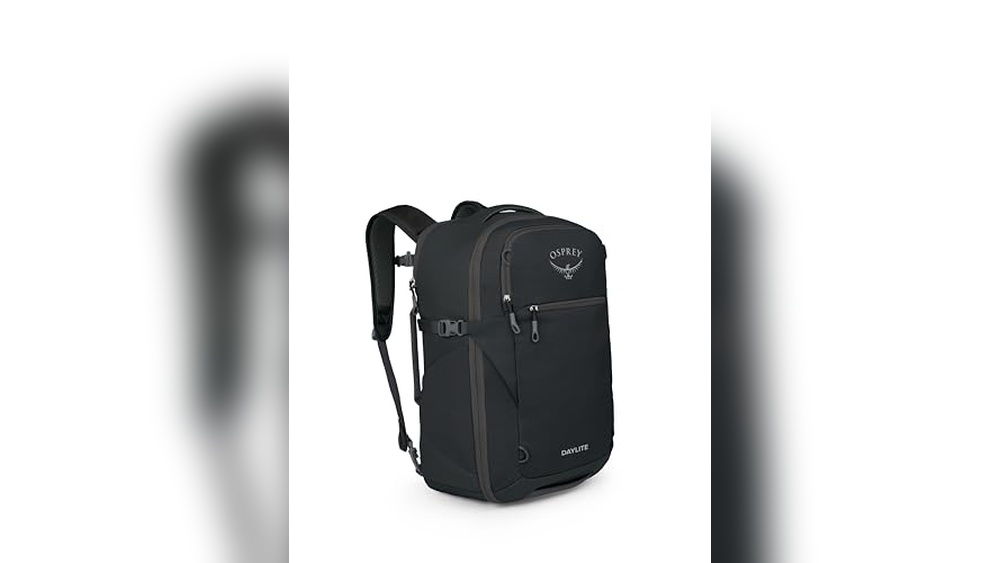
Have you ever struggled to fit all your gear into your backpack, only to find it bulky, heavy, or uncomfortable? Knowing how to attach gear to your backpack the right way can make a huge difference.
It not only frees up space inside but also keeps your equipment secure and easy to reach. You’ll discover simple, practical tips to organize and fasten your gear efficiently. By the end, you’ll be ready to carry everything you need comfortably and confidently on your next adventure.
Keep reading to learn how to make your backpack work smarter for you!
Choosing The Right Gear
Choosing the right gear for your backpack is key to a comfortable trip. The right items fit well and make your journey easier. Knowing what your backpack can hold helps you pick the best gear. Focus on what you really need. This keeps your load light and your pack balanced.
Assessing Your Backpack’s Features
Start by checking your backpack’s design. Look for straps, loops, and pockets made for attachments. Note the size and weight limits of your pack. See if it has daisy chains or gear loops. These features help secure extra items safely. Understanding your pack’s layout prevents overloading or damage.
Selecting Compatible Attachments
Choose attachments that match your backpack’s features. Use carabiners for loops and straps for buckles. Pick gear that fits snugly to avoid swinging. Lightweight attachments reduce strain on your shoulders. Durable materials last longer and protect your gear. Compatibility ensures your items stay put during movement.
Prioritizing Essential Items
Decide which gear is most important for your trip. Carry only what you need to save space. Attach bulky items like sleeping pads or tents outside. Keep small essentials inside easy pockets. Balance the weight evenly on your backpack. Prioritizing helps you stay organized and travel comfortably.
Attachment Methods
Attaching gear to a backpack keeps your hands free and your load balanced. Different methods suit different types of gear and backpacks. Choosing the right attachment method helps secure your items safely. It also makes your packing more efficient and organized.
Using Straps And Loops
Straps and loops are common on most backpacks. They provide simple points to tie or clip gear outside your pack. Use adjustable straps to hold bulky items like sleeping bags or mats. Loops work well for smaller gear like trekking poles or water bottles. Tighten straps firmly to prevent gear from shifting during movement.
Carabiners And Clips
Carabiners and clips offer quick attachment and removal options. Clip your gear to loops or webbing for easy access. They work well for tools, keys, or water bottles. Carabiners are strong and reliable, making them ideal for heavier items. Use locking carabiners for added security on valuable gear.
Molle And Webbing Systems
MOLLE and webbing systems provide versatile attachment points. These systems use rows of heavy-duty nylon stitched to the backpack. Attach compatible pouches or gear directly to these rows. MOLLE is popular in tactical and hiking backpacks. Webbing loops allow you to customize your gear layout easily.
Securing Bulky Items
Securing bulky items to your backpack keeps your load balanced and comfortable. Proper attachment prevents gear from shifting or falling off. It also protects your equipment from damage. Organizing bulky items outside the pack saves space inside. Use straps, bungee cords, or external pockets for stability.
Packing Sleeping Bags And Pads
Roll your sleeping bag tightly to save space. Use compression sacks to reduce bulk. Attach the sack to the bottom or outside of your pack. Sleeping pads can be rolled or folded flat. Secure them with straps or place them in side pockets. Make sure they are fastened tightly to avoid movement.
Attaching Tents And Poles
Break down your tent poles and bundle them together. Use a strap or cord to keep poles compact. Attach poles vertically or horizontally on the pack’s exterior. The tent body fits best in a stuff sack. Secure it on top or bottom of the pack. Ensure the tent is easy to reach for quick setup.
Handling Hiking Poles And Tools
Collapse hiking poles to their shortest length. Use built-in loops or straps to hold poles in place. Tools like axes or shovels must be fastened securely. Position tools where they will not poke or cause discomfort. Check all attachments before starting your hike for safety.
Distributing Weight Effectively
Distributing weight effectively in your backpack makes hiking easier and safer. It helps you stay comfortable and prevents injury. Carrying gear the right way keeps your balance steady on rough paths. Organizing your load saves energy and lets you enjoy your trip more.
Focus on placing items to spread weight evenly. Think about how gear affects your center of gravity. Small changes can make a big difference in how your pack feels.
Balancing Front And Back Loads
Keep heavy items centered between front and back. Avoid putting all weight only on the back. This balance helps you walk upright without leaning forward or backward. Use pockets on both sides to spread smaller items. Balance stops strain on your shoulders and hips.
Placing Heavy Gear Close To Your Back
Put heavy gear near your spine and middle back. This position supports your body weight better. It reduces stress on your arms and shoulders. Keep heavy items low and close to the center. This keeps your pack stable and easier to carry.
Avoiding Overhangs And Instability
Do not let gear hang off the sides or top. Overhanging items make your pack unsteady and hard to control. Keep everything inside or tightly secured to the pack. Use straps and bungee cords to hold gear firmly. This prevents shifting and keeps your balance steady.
Weatherproofing Your Gear
Keeping your gear dry and safe is key on any outdoor trip. Weather can change fast, and wet items can cause discomfort and damage. Taking steps to protect your gear helps it last longer and keeps you comfortable.
Using Waterproof Covers
Waterproof covers shield your backpack and gear from rain and snow. Choose covers made from strong, water-resistant materials. Fit the cover tightly over your backpack to stop water from seeping in. Lightweight covers pack small but offer big protection.
Sealing Loose Items
Loose items can get wet or lost easily. Use plastic bags or dry sacks to seal clothes and food. Ziplock bags work well for small items. Make sure to squeeze out air for extra space and protection. Keep sealed bags inside your backpack to avoid water contact.
Protecting Electronics And Valuables
Electronics and valuables need extra care from moisture. Use padded, waterproof cases to store phones, cameras, and wallets. Wrap items in plastic or cloth before placing them in cases. Keep these cases near the center of your backpack for more safety.
Safety Tips For Secure Packing
Packing your gear securely on a backpack is key to a safe and comfortable hike. Loose or poorly attached items can cause accidents or damage your equipment. Follow these safety tips to keep your gear in place and avoid problems on the trail.
Double-checking Attachments
Always check your straps and clips twice before starting. Make sure every buckle is tight and locked. Tug gently on each item to confirm it won’t slip or fall. This simple step prevents lost gear and keeps you balanced.
Avoiding Snags And Loose Ends
Tuck in all loose straps and cords to avoid catching on branches or rocks. Snags can pull your gear loose or damage it. Use strap keepers or tie off extra webbing. Clean packing keeps your hike smooth and safe.
Adjusting Straps During The Hike
Stop occasionally to check your gear’s fit. Straps may loosen as you walk. Tighten them to keep weight close to your body. Adjusting straps keeps your load stable and reduces strain on your back.
Maintaining Your Backpack And Gear
Taking care of your backpack and gear is important for long trips. Proper maintenance keeps everything working well and lasts longer. It also saves money by avoiding early replacements. Spend a little time checking and cleaning your gear regularly.
Regular Inspection Of Straps And Clips
Look at all straps and clips before every trip. Check for cracks, tears, or loose stitching. Test clips by opening and closing them. Replace or fix any damaged parts right away. This prevents gear from falling or breaking during use.
Cleaning And Storing Gear Properly
Remove dirt and mud from your backpack and gear after each trip. Use a soft brush or cloth with mild soap and water. Avoid harsh chemicals that can damage materials. Let everything dry completely before storing. Store gear in a cool, dry place away from sunlight.
Replacing Worn-out Components
Replace worn-out parts like straps, buckles, or zippers quickly. Old parts reduce the backpack’s performance and safety. Use parts made for your backpack model. Regular replacement keeps your gear reliable and ready for use.
Frequently Asked Questions
How Do I Securely Attach Gear To My Backpack?
Use straps, carabiners, or bungee cords to fasten gear firmly. Ensure attachments don’t shift or loosen during movement. Distribute weight evenly to maintain balance and comfort while hiking or traveling.
What Gear Is Best To Attach Outside A Backpack?
Attach bulky or wet items like sleeping mats, tents, or water bottles. Keep essentials accessible without opening the main compartment. Avoid attaching heavy gear that may cause discomfort or imbalance.
Can I Attach Gear To Any Backpack Type?
Most backpacks have loops or straps for external attachments. Hiking and travel backpacks often feature dedicated attachment points. For other backpacks, use adjustable straps or carabiners to secure gear safely.
How To Avoid Damage When Attaching Gear Outside?
Use padded straps or protective covers on gear attachment points. Avoid sharp edges that can tear fabric. Regularly check attachments to prevent wear and accidental drops during use.
Conclusion
Attaching gear to your backpack keeps essentials close and hands free. Use straps, clips, or cords to secure items tightly. Balance weight evenly to stay comfortable while hiking or traveling. Check gear regularly to avoid losing or damaging it. Practice different methods to find what works best for you.
Simple steps make your outdoor trips easier and safer. Carry what you need without extra bulk or hassle. Stay prepared and enjoy your adventure fully.