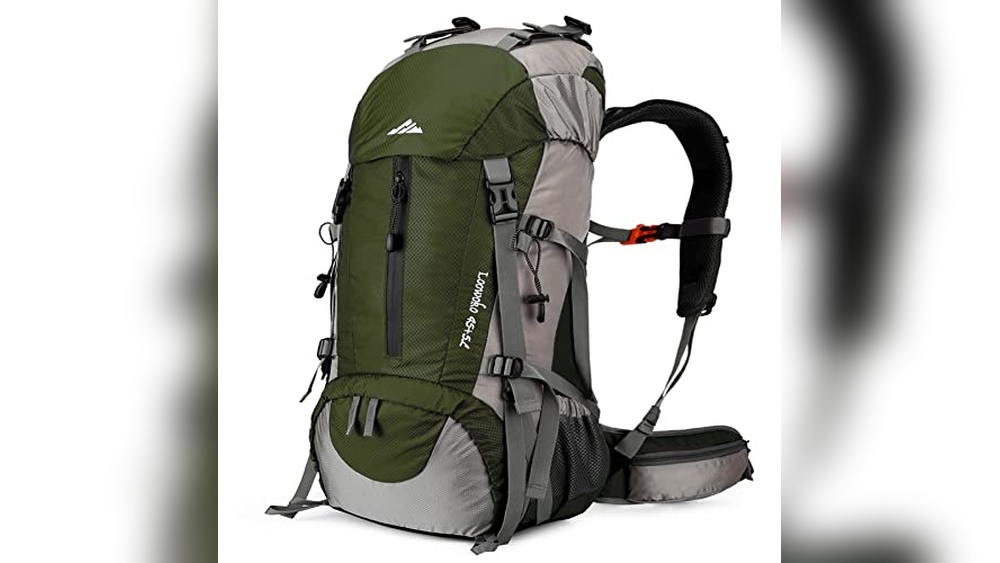
Have you ever wondered how much fabric goes into making a backpack? Whether you’re planning to sew your own or just curious about what’s behind the scenes, knowing the amount of fabric used can save you time and money.
Understanding this simple detail helps you make smarter choices—whether it’s picking the right size or ensuring your backpack is durable. Keep reading to discover exactly how much fabric you need and why it matters for your next project.
Fabric Types For Backpacks
Choosing the right fabric is key for making backpacks. Fabric affects weight, strength, and comfort. Different backpacks use different materials depending on use and style. Understanding fabric types helps you pick the best backpack for your needs.
Common Materials
Nylon and polyester are the most common fabrics for backpacks. Nylon is strong and light. Polyester resists fading and is affordable. Canvas offers a classic look but is heavier. Each fabric has unique traits that suit different backpacks.
Durability Factors
Durability depends on fabric thickness and weave. Higher denier means thicker and tougher fabric. Ripstop weaves add extra strength and stop tears. Coated fabrics resist abrasion and last longer. Durable fabric means your backpack can handle rough use.
Water Resistance
Water resistance keeps your belongings dry. Some fabrics have a water-repellent coating. Polyester naturally resists water better than nylon. Canvas backpacks often need extra treatment to repel water. Water-resistant fabric is important for outdoor backpacks.
Calculating Fabric Needs
Calculating fabric needs helps you buy the right amount of material for your backpack. It saves money and avoids extra trips to the store. Knowing how much fabric to use also makes the sewing process smoother and faster. Let’s break down the key steps to figure out your fabric requirements.
Backpack Dimensions
Measure the height, width, and depth of your backpack. Write down these numbers clearly. Add extra length for pockets or compartments. Think about the straps and flap sizes too. These parts need fabric as well. Accurate measurements are the first step to a perfect fit.
Pattern Layout
Plan how to place pattern pieces on the fabric. Arrange them to use space wisely. Keep the fabric grain in mind for strength. Lay large pieces first, then smaller ones. This method reduces fabric waste significantly. A good layout saves fabric and money.
Allowance For Seams And Waste
Add extra fabric for seams, usually about 1/2 inch. Include some margin for errors and cutting mistakes. Also, consider fabric shrinkage if you will wash it. These allowances ensure enough fabric to finish the backpack well. Cutting too close causes problems later.
Fabric Requirements By Backpack Size
Fabric requirements for backpacks vary by size. Each size needs a different amount of material. Choosing the right fabric amount saves money and reduces waste.
Understanding how much fabric each backpack size uses helps plan your project better. Here is a clear guide for small, medium, and large backpacks.
Small Daypacks
Small daypacks usually need less fabric. They are simple and compact. Around 1 to 1.5 yards of fabric is enough. Lightweight materials work well for these packs. Focus on durable fabric to handle daily use.
Medium Hiking Packs
Medium hiking packs require more fabric. They have extra pockets and straps. Typically, 2 to 3 yards of fabric is needed. Choose strong and water-resistant fabric. This keeps your gear safe during hikes.
Large Travel Backpacks
Large travel backpacks need the most fabric. They include many compartments and heavy padding. Expect to use 3.5 to 5 yards of fabric. Heavy-duty materials ensure long-lasting backpacks. This fabric supports heavy loads and frequent travel.
Additional Materials To Consider
Besides the main fabric, backpacks need other materials for strength and comfort. These materials affect how much fabric and supplies you buy. Knowing about these helps plan better and avoid surprises.
Lining Fabric
Lining fabric covers the inside of the backpack. It protects the outer fabric and hides seams. Lining adds weight but improves durability. Choose a smooth, light material for easy packing. Typical lining fabric uses about half the amount of the outer fabric.
Reinforcements
Reinforcements are extra layers in stress points. Common areas include the bottom and corners. They prevent wear and tear over time. Use strong fabric pieces, like nylon or leather. These small patches add a bit more fabric to your total use.
Straps And Padding
Straps need durable fabric to carry weight safely. Padding inside straps adds comfort and reduces pressure. Use foam or thick fabric for padding. Straps usually require less fabric but need sturdy materials. Measure carefully for the right amount.
Tips To Optimize Fabric Usage
Optimizing fabric use helps save money and reduce waste. It also makes the backpack lighter and more comfortable. Small changes in how you cut and choose fabric can make a big difference. Follow these tips to use fabric smartly and efficiently.
Efficient Cutting Techniques
Plan your cutting layout before you start. Arrange patterns close to each other to reduce gaps. Cut multiple layers of fabric at once to save time. Use sharp scissors or rotary cutters for clean edges. Save small scraps for pockets or straps. These steps help you get the most fabric from each yard.
Selecting Multi-purpose Fabrics
Pick fabrics that work for different parts of the backpack. For example, use strong fabric for the body and lighter fabric for pockets. Choose fabrics that do not fray easily. Water-resistant fabrics can serve as both lining and outer material. Multi-purpose fabrics reduce the total amount needed. This keeps your project simple and efficient.
Estimating Costs Based On Fabric Quantity
Estimating the cost of fabric for a backpack starts with understanding how much material is needed. Fabric quantity depends on the backpack size and design. More complex styles use more fabric. The type of fabric also affects the total cost. Calculating fabric costs helps budget your project better.
Budget-friendly Options
Choosing simple fabrics can save money. Polyester and nylon are common, affordable choices. These materials are strong and easy to find. They usually come in wide rolls, reducing waste. Buying fabric in bulk lowers the price per yard. Basic colors and patterns cost less too. This option works well for everyday backpacks.
Premium Material Costs
Premium fabrics raise the total cost. Materials like leather or waxed canvas are more expensive. They offer durability and a stylish look. These fabrics need careful handling and more cutting. This can increase fabric waste. Specialty fabrics may require special tools or sewing techniques. Expect to pay more for high-end backpacks.
Frequently Asked Questions
How Much Fabric Is Needed To Make A Standard Backpack?
A standard backpack typically requires about 2 to 3 yards of fabric. This depends on the backpack’s size, design, and additional features like pockets or lining.
What Type Of Fabric Is Best For Backpacks?
Durable fabrics like nylon, polyester, and canvas are best for backpacks. They offer strength, water resistance, and longevity, making them ideal for daily use.
How Do Fabric Choices Affect Backpack Weight?
Heavier fabrics like canvas add durability but increase weight. Lightweight fabrics like ripstop nylon reduce overall weight but may offer less abrasion resistance.
Can Fabric Yardage Vary By Backpack Design?
Yes, fabric yardage varies with design complexity. Backpacks with multiple compartments or padded sections require more fabric than simple designs.
Conclusion
Knowing how much fabric a backpack needs helps in planning well. Most backpacks use about 1 to 2 yards of fabric. This depends on size and style. Choosing the right fabric saves money and avoids waste. It also helps when buying materials for DIY projects.
Keep in mind the type of fabric affects durability and look. Simple math and careful measuring lead to better results. Now, you can shop smarter and create backpacks that last longer.