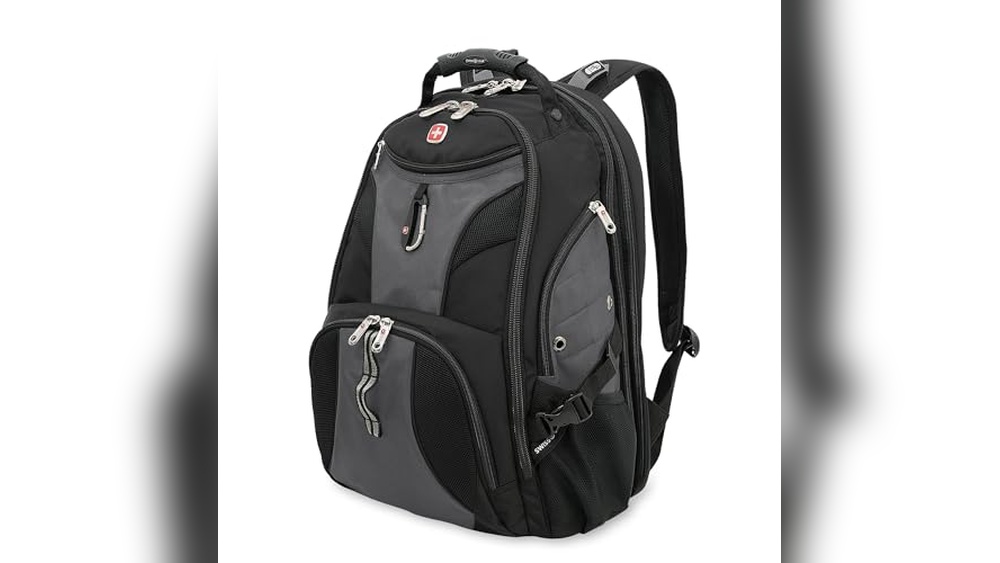
Have you ever felt like your backpack is way too heavy by the time you get to school? You’re not alone.
Many high school students carry loads that can weigh them down—literally. But how much should a backpack really weigh? And what happens when it’s too heavy? Understanding this can make a big difference in your comfort and health every day.
Keep reading to find out the ideal backpack weight for high school and simple tips to lighten your load without missing out on what you need.
Average Backpack Weight
High school backpacks can vary in weight depending on what students carry. Most students carry books, notebooks, and sometimes laptops. The weight affects comfort and health. Carrying too much can cause back pain or posture problems.
Understanding the average backpack weight helps parents and students choose lighter loads. It also guides schools in planning for student needs. Let’s explore the typical load for students and how it changes by grade level.
Typical Load For Students
Most high school students carry between 10 and 20 pounds daily. This includes textbooks, binders, and supplies. Some students add laptops or tablets, increasing the weight. Sports gear or art supplies add extra pounds too. Schools with heavy textbooks often see heavier backpacks. Light backpacks improve comfort and reduce strain.
Weight Variations By Grade Level
Freshmen usually carry lighter backpacks than seniors. Lower grades often have fewer subjects and smaller books. Seniors may carry more materials for advanced classes. Elective courses can add extra supplies. Students in higher grades might also carry laptops more often. Weight tends to increase as students move up in school.
Factors Affecting Backpack Weight
Backpack weight in high school varies a lot. Several factors change how heavy a backpack can get. Understanding these can help students carry less strain on their backs.
Some things add more weight than others. Knowing what affects the weight helps students pack smarter. Let’s explore the main factors.
Number Of Textbooks
Textbooks are often the heaviest items in a backpack. Carrying many books at once adds significant weight. Some subjects require multiple textbooks, which increases the load. Schools sometimes change books daily, so students carry several at once.
Additional Supplies And Gadgets
Beyond books, supplies add more weight. Items like notebooks, folders, and binders fill the backpack. Pens, pencils, and calculators also add a little weight. Gadgets such as laptops or tablets are heavier and increase the total load. Chargers and headphones add extra pounds too.
Lunch And Personal Items
Lunch boxes and water bottles add to the weight. Food containers can be bulky and heavy. Personal items like jackets, sports gear, or umbrellas also take space and add weight. These extras make the backpack heavier at the end of the day.
Health Impacts Of Heavy Backpacks
Carrying a heavy backpack every day affects a student’s health in many ways. The weight strains muscles and bones. These problems can start small but grow worse over time. Understanding the health impacts helps in making better choices about backpack weight.
Students often carry more than 10-20% of their body weight in backpacks. This load causes stress on the back and shoulders. The body struggles to balance the heavy load, leading to discomfort and pain.
Common Physical Strains
Heavy backpacks cause muscle soreness in the neck, shoulders, and back. Students often feel tightness or stiffness after carrying them. The straps can dig into the shoulders, causing redness and bruises. Poorly adjusted backpacks worsen these issues. Fatigue increases as muscles work harder to support the weight.
Long-term Effects On Posture
Carrying too much weight can change how students stand and walk. They may lean forward or to one side to balance the load. This uneven posture stresses the spine and can cause misalignment. Over time, this leads to poor posture habits. Chronic back pain and spinal problems can develop if the issue is not addressed.
Guidelines For Safe Backpack Weight
Carrying a heavy backpack can cause pain and injury for high school students. Following safe weight guidelines helps protect their backs and shoulders. Keeping the backpack light improves posture and comfort throughout the school day.
Parents and students should know the safe limits and packing tips. These simple steps reduce strain and make carrying books easier. The right backpack weight keeps students healthy and focused.
Recommended Weight Limits
Experts advise backpacks weigh no more than 10-15% of a student’s body weight. For example, a 100-pound student should carry no more than 10 to 15 pounds. Heavier backpacks increase the risk of back pain and muscle strain.
Choosing lighter books and materials helps stay within this limit. Checking backpack weight regularly prevents it from becoming too heavy. Safe weight supports good posture and reduces fatigue.
Tips For Proper Packing
Pack heavier items close to the back to balance the load. Use all compartments to spread weight evenly inside the backpack. Avoid stuffing the bag with unnecessary items.
Place frequently used items at the top for easy access. Use padded shoulder straps and adjust them to fit snugly. Carrying backpacks with two straps helps distribute weight evenly.
Strategies To Reduce Backpack Weight
Backpacks in high school can get very heavy. Carrying too much weight can cause pain and tiredness. Students need smart ways to make their backpacks lighter. Simple habits help reduce the load. This makes school days easier and more comfortable.
Digital Textbooks And Resources
Using digital textbooks saves a lot of space. Tablets or laptops can hold many books. Students do not need to carry paper books. Digital resources are easy to update and use anywhere. This reduces the need for heavy printed materials.
Organizing And Prioritizing Items
Only pack what is needed for the day. Check the schedule before packing the backpack. Keep books and supplies for today’s classes only. Use smaller pouches for pens and small items. This prevents carrying unnecessary things that add weight.
Using Lockers Effectively
Lockers help store books and supplies safely. Leave heavy textbooks in the locker between classes. Retrieve only what is needed for the next lesson. This reduces the amount carried at one time. Using lockers wisely makes backpacks lighter and easier to carry.
School Policies And Backpack Weight
School policies play a big role in controlling how much backpacks weigh in high school. These rules help protect students from carrying too much. Heavy backpacks can cause pain and affect posture.
Schools often set limits on backpack size and weight. They also offer programs to support students with heavy loads. These measures aim to make school life easier and safer.
Rules On Backpack Size And Weight
Many schools have clear rules about backpack size. These rules prevent students from carrying oversized bags. Some schools set a weight limit, often around 10% to 15% of a student’s body weight.
Teachers and staff may check backpacks regularly. This helps keep students aware of their load. Schools also suggest packing only necessary items.
Support Programs For Students
Some schools offer programs to help students manage heavy backpacks. Locker use is often encouraged to reduce what students carry daily. Schools may provide extra storage in classrooms.
Staff also educate students on how to pack backpacks properly. They teach about weight distribution and choosing lighter materials. These programs help students avoid injury and stress.
Frequently Asked Questions
How Much Should A High School Backpack Weigh?
A high school backpack should weigh no more than 10-15% of the student’s body weight. This prevents strain and injury. For example, a 120-pound student should carry no more than 12-18 pounds in their backpack.
What Factors Affect Backpack Weight In High School?
Backpack weight depends on books, supplies, electronics, and lunch items. Carrying heavy textbooks and laptops increases overall weight. Proper organization and using digital materials can reduce the load significantly.
Are Heavy Backpacks Harmful To High School Students?
Yes, carrying heavy backpacks can cause back pain, posture problems, and muscle strain. It is essential to keep backpacks light and distribute weight evenly to avoid health issues.
How Can Students Reduce Backpack Weight Effectively?
Students can reduce weight by carrying only necessary items, using lockers, and digital textbooks. Organizing items and using lightweight supplies also help minimize backpack heaviness.
Conclusion
Backpacks in high school usually weigh between 10 to 20 pounds. Carrying too much can cause back pain and tiredness. It’s best to pack only what you need each day. Using lockers or digital notes can help lighten the load.
Remember, a lighter backpack means a healthier back. Keep your bag organized and check its weight often. Small changes make a big difference in comfort and health. Take care of your body while you learn and grow.