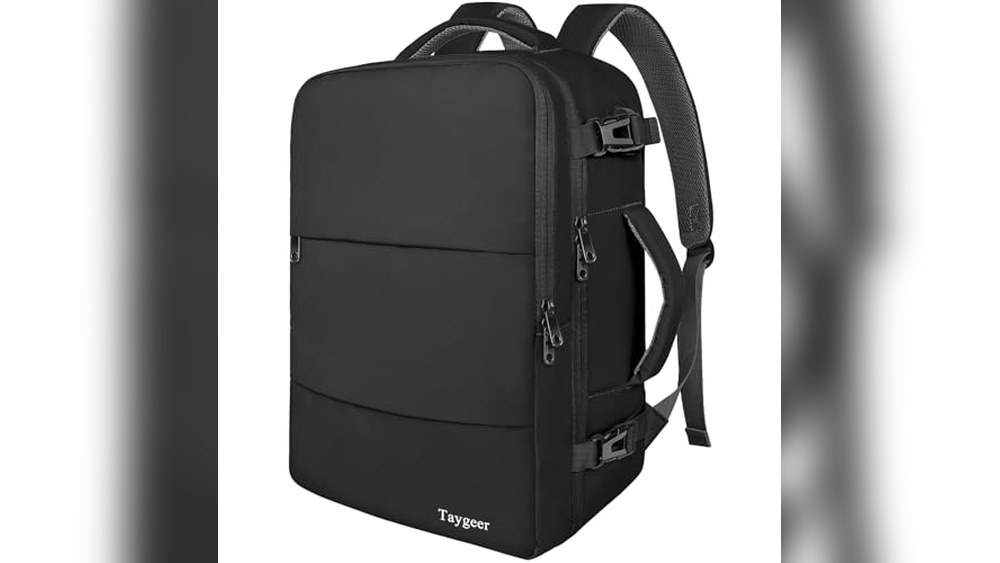
Choosing the right backpack size can make a huge difference in your comfort and convenience. But how many liters backpack do you really need?
Picking a bag that’s too big or too small can lead to wasted space or an uncomfortable load. You’ll discover exactly how to find the perfect backpack size tailored to your trip, your gear, and your style. Keep reading to avoid common mistakes and make your next adventure easier and more enjoyable.
Backpack Sizes Explained
Choosing the right backpack size is key for comfort and convenience. Backpacks come in many sizes, each fit for different needs. Understanding these sizes helps you pick the best one.
This guide breaks down backpack sizes by liters. It explains what each size can hold and who it suits best.
Small Backpacks
Small backpacks usually hold 10 to 20 liters. They work well for daily use and short trips. Carry essentials like a water bottle, snacks, and a light jacket. They are light and easy to carry all day.
Medium Backpacks
Medium backpacks range from 20 to 35 liters. Perfect for day hikes or school. They fit a laptop, books, and extra clothes. These packs balance storage and comfort well.
Large Backpacks
Large backpacks hold 35 to 50 liters. Good for overnight trips or longer hikes. You can pack a sleeping bag, food, and more clothes. They offer space but can feel heavy if not packed right.
Extra Large Backpacks
Extra large backpacks go beyond 50 liters. Designed for extended trips or carrying heavy gear. Suitable for camping, climbing, or travel. They give you plenty of room but need good support.
Factors Influencing Backpack Size
Choosing the right backpack size depends on several important factors. These factors help you decide how many liters your backpack should hold. Understanding them makes packing easier and more efficient.
Trip Duration
The length of your trip affects how much space you need. Short trips need smaller backpacks, usually 20 to 35 liters. Longer trips need bigger backpacks to carry more clothes and gear. For multi-day trips, backpacks of 50 liters or more work best.
Type Of Activity
Your activity changes what you carry and how much. Hiking or camping requires space for food, water, and tools. City travel or light day trips need less room. Sports or climbing might need special gear that takes extra space.
Personal Packing Style
Some people pack light and carry only essentials. Others like to bring extra clothes and items “just in case.” If you pack light, a smaller backpack works well. If you pack more, choose a larger one to avoid cramming.
Season And Weather
Weather affects the size of your backpack too. Cold weather means carrying bulky clothes and gear, needing more space. Warm weather allows lighter clothing and less gear. Rainy seasons require waterproof covers or bags, which take space as well.
Choosing Backpack Size By Trip Type
Choosing the right backpack size depends on the type of trip planned. Different trips require different amounts of gear and supplies. Picking the correct size helps keep your load light and comfortable. It also ensures you carry everything needed without extra weight.
Day Hikes
Day hikes need small backpacks. A 10 to 20-liter pack fits essentials like water, snacks, and a light jacket. This size stays light and easy to carry. It keeps you ready without bulk.
Weekend Trips
Weekend trips require more space. A 30 to 50-liter backpack fits clothes, food, and sleeping gear. This size balances capacity and comfort. It lets you pack enough for two or three days.
Extended Adventures
Extended trips need larger backpacks. Packs of 60 liters or more hold all necessary gear for a week or longer. This size allows for food, shelter, and extra clothing. It helps you stay prepared for changing conditions.
Specialized Trips
Special trips may need unique gear. Climbing, photography, or winter trips often need specific backpacks. Sizes vary but usually range from 40 to 70 liters. These packs include extra compartments for tools and equipment.
How To Measure Your Gear Volume
Knowing the right backpack size depends on the total volume of your gear. Measuring gear volume helps choose a backpack that fits your needs. Start by understanding what items you carry and how much space they take.
This process avoids buying too big or too small packs. It saves money and makes packing easier. Follow these steps to measure your gear volume correctly.
Listing Essential Items
Write down every item you plan to carry. Include clothes, sleeping bags, food, water, and tools. Think about small items too, like chargers or first aid kits. Group similar items to see their combined size. This list shows the total gear you need space for.
Estimating Volume Needs
Check the volume of each item on your list. Use product labels or online descriptions for size details. For irregular items, guess volume by comparing to common objects. Add all volumes to get the total space needed. Add extra room for unexpected gear or bulky items.
Packing Tips To Save Space
Use compression bags for clothes and sleeping bags. Roll clothes tightly to reduce volume. Place small items inside shoes or containers. Pack heavy items close to your back for balance. Organize gear to fill every corner of the backpack. These tips help fit more without needing a bigger pack.
Adjusting For Comfort And Fit
Choosing a backpack is not just about size. Comfort and fit matter a lot. A backpack that fits well makes your trips easier and less tiring. Adjusting your backpack for comfort helps you carry loads without pain. Here are key points to consider for a better fit and comfort.
Backpack Fit And Support
The backpack should match your body size. Look for adjustable straps to fit your shoulders and chest. The back panel should rest comfortably against your back. Good padding in the shoulder straps helps reduce pressure. A hip belt can support weight and ease shoulder strain. A proper fit prevents discomfort and injuries.
Weight Distribution
Place heavy items close to your back. This balance reduces strain on your muscles. Use compartments to keep weight steady. Spread the load evenly from side to side. Avoid putting too much weight in the top or front. Good weight distribution makes walking easier and safer.
Try Before You Buy
Test the backpack with some weight inside. Walk around to feel how it fits and balances. Adjust straps and belts to find the best comfort. Check if the backpack moves or rubs during movement. Trying it helps avoid buying a backpack that hurts or fits poorly.
Popular Backpack Brands And Sizes
Choosing the right backpack size means knowing popular brands and their options. Each brand offers different sizes to fit various needs. Some backpacks are small for daily use. Others are large for hiking or travel. Understanding these options helps pick the best backpack for you.
Top Brands Overview
Several brands are well-known for quality backpacks. Osprey is popular for hiking and travel bags. The North Face makes durable backpacks for school and outdoor use. Deuter offers backpacks with good support and comfort. Patagonia focuses on eco-friendly materials and reliable designs. Each brand has a strong reputation.
Size Options Per Brand
Osprey backpacks range from 20 to 70 liters. Small packs suit day trips, large packs work for multi-day hikes. The North Face offers sizes from 15 to 65 liters. Deuter has models between 20 and 70 liters, with options for kids too. Patagonia backpacks come in sizes from 20 to 60 liters. This variety fits many activities and body sizes.
User Reviews And Recommendations
Users often praise Osprey for comfort and durability. Many say The North Face backpacks hold up well in tough weather. Deuter gets high marks for back support. Patagonia users like the lightweight feel and eco materials. Reviews help decide which size fits your needs best. Pay attention to comments on fit and storage space.
Frequently Asked Questions
What Size Backpack Do I Need For Day Hikes?
For day hikes, a 15 to 30-liter backpack is ideal. It fits essentials like water, snacks, and a light jacket. This size keeps your load light and comfortable for short trips.
How Many Liters For Overnight Backpacking?
Overnight trips usually require 30 to 50 liters. This size fits a sleeping bag, clothes, and food. It balances capacity with manageable weight for one or two nights.
What Backpack Size Suits Multi-day Trips?
Multi-day trips need backpacks between 50 to 70 liters. They hold camping gear, cooking equipment, and extra clothing. This size ensures you carry everything without overpacking.
Can I Use A Small Backpack For Long Trips?
Small backpacks under 30 liters are not ideal for long trips. They lack space for bulky items like tents or extra clothing. Opt for larger sizes to stay prepared and comfortable.
Conclusion
Choosing the right backpack size saves space and weight. Think about your trip length and what you must carry. Small backpacks fit day trips and light loads. Bigger backpacks suit longer trips or extra gear. Avoid packing too much to stay comfortable.
The right liters make your journey easier and fun. Take time to pick what fits your needs best. Travel smart with a backpack that feels just right.