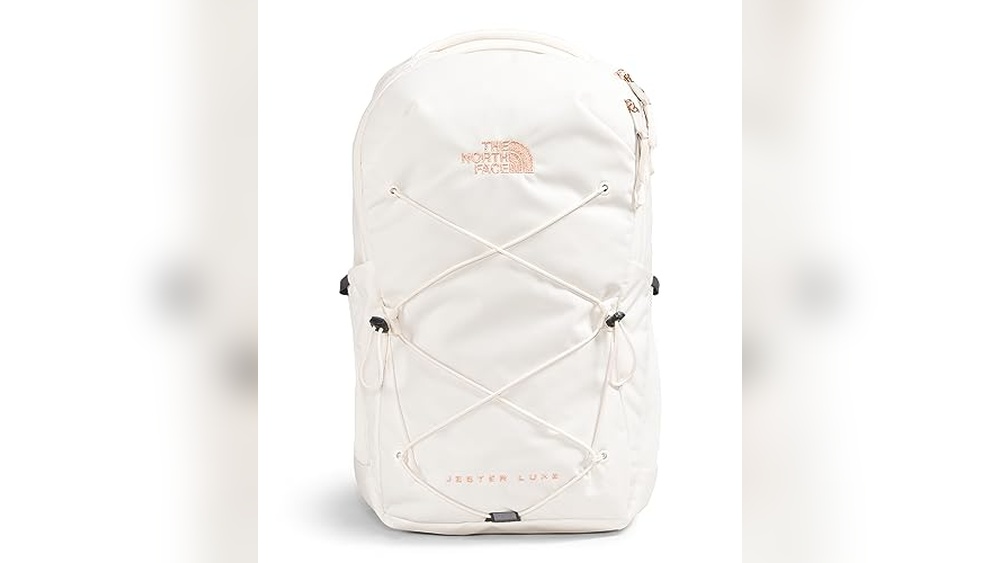
Imagine having a backpack that powers your phone, tablet, or even a small laptop wherever you go. You don’t need to worry about finding an outlet or carrying extra batteries.
Building your own solar backpack is easier than you think, and it can save you money while keeping your devices charged on the move. In this guide, you’ll discover simple steps to create a solar-powered backpack that fits your lifestyle.
Ready to take control of your energy and stay connected anywhere? Let’s dive in and make your backpack work for you.
Choosing The Right Backpack
Choosing the right backpack is the first step to build a useful solar backpack. The right bag holds your solar panel and gear safely. It also fits your daily needs and style. Consider size, material, and compartments carefully. These factors affect how well your solar backpack works and lasts.
Backpack Size And Capacity
Select a backpack size that fits your load. Small backpacks are easy to carry but hold less gear. Larger bags carry more but can be heavy and bulky. Think about what you will carry daily. Leave space for the solar panel and cables. A medium size often balances capacity and comfort.
Material Durability
Choose a backpack made from strong materials. Nylon and polyester are common and resist tears. Look for water-resistant or waterproof fabrics to protect your gear. Durable zippers and stitching also matter. A tough backpack lasts longer and protects your solar panel from damage.
Compartment Layout
Good compartments keep your items organized. Find a backpack with a padded laptop sleeve if you carry devices. Separate pockets for cables and chargers help avoid tangles. A front pocket for small items adds convenience. Check if the bag has space to attach the solar panel outside securely.
Selecting Solar Panels
Selecting the right solar panels is a key step in building a solar backpack. The panels must fit your needs and work well with your backpack design. Consider size, weight, and how much power you need. This guide explains the main types of solar panels, their power output, and the difference between flexible and rigid panels.
Types Of Solar Panels
Solar panels mainly come in three types: monocrystalline, polycrystalline, and thin-film. Monocrystalline panels are the most efficient and last long. Polycrystalline panels cost less but have slightly lower efficiency. Thin-film panels are lightweight and flexible but provide less power. Choose the type that matches your budget and energy needs.
Power Output And Efficiency
Power output shows how much energy a panel can produce. It is measured in watts (W). Efficiency means how well the panel converts sunlight into electricity. Higher efficiency panels produce more power in less space. Consider your daily power needs to pick the right wattage and efficiency for your backpack.
Flexible Vs. Rigid Panels
Flexible panels bend and fit easily on backpacks. They are lightweight and good for rough use. Rigid panels are stronger but heavier. They offer better durability and higher efficiency. Choose flexible panels for comfort and weight savings. Choose rigid panels for durability and more power.
Essential Components
Building a solar backpack needs some key parts to work well. These parts help catch the sun’s energy and keep your devices charged. Knowing about these parts makes your project easier and better.
Charge Controllers
Charge controllers protect your battery from too much power. They stop overcharging and keep the battery safe. Without a controller, the battery might get damaged quickly. Choose a controller that matches your solar panel and battery size.
Power Banks And Batteries
Batteries store the energy from the solar panel. Power banks are a good choice because they hold charge and are easy to use. Pick a battery with enough capacity for your daily needs. Lithium batteries work well for solar backpacks.
Cables And Connectors
Cables carry power from the solar panel to the battery and devices. Good connectors make sure the connection is safe and strong. Use weatherproof cables and connectors to protect from rain and dirt. Proper wiring helps avoid energy loss.
Tools Needed For Assembly
Building a solar backpack needs some special tools. These tools help you connect parts safely and correctly. Having the right tools makes the work easier and better.
Below are the main tools needed for assembly. Each has a clear role in the process.
Soldering Equipment
Soldering tools join wires and solar cells firmly. You need a soldering iron with a fine tip. Use solder wire made for electronics. A soldering stand keeps the iron safe. A wet sponge cleans the tip during work.
Good soldering stops loose connections. It helps the solar panel deliver power well.
Sewing Supplies
Sewing tools attach solar panels to the backpack fabric. Strong thread and sharp needles are important. Use a heavy-duty sewing machine or sew by hand. Scissors cut fabric and thread neatly. Pins hold pieces in place while sewing.
These supplies keep the solar panel secure on the bag. They make the backpack durable for daily use.
Electrical Testing Tools
Testing tools check the solar panel and wiring. A multimeter measures voltage and current. It finds wiring problems fast. Wire strippers remove insulation without damage. Electrical tape insulates connections to prevent shorts.
Using testing tools ensures the backpack’s solar system works well. It helps avoid faults before finishing the build.
Integrating Solar Panels With Backpack
Integrating solar panels into a backpack is key to making it useful and practical. The placement and attachment of the panels affect how well they collect sunlight and how comfortable the backpack feels. Choosing the right method helps keep the backpack light and flexible. It also protects the panels from damage during use.
Panel Placement Strategies
Place solar panels where they get the most sunlight. The best spot is usually the top or front of the backpack. Avoid areas covered by straps or pockets. Think about how you walk or sit. Panels should stay exposed to the sun as much as possible. Some people use multiple small panels instead of one big panel. This spreads out the light collection and fits the shape of the backpack better.
Attaching Panels Securely
Use strong but light materials to attach solar panels. Sewing panels onto the backpack with tough thread works well. Velcro strips allow easy removal and cleaning. Glue can hold panels in place but choose flexible glue to avoid cracks. Avoid heavy bolts or screws that add weight. Check that all wires are safe and do not get pinched. Secure attachments help panels last longer and stay safe during travel.
Maintaining Flexibility And Comfort
Keep the backpack easy to carry by choosing thin and flexible solar panels. Thick, rigid panels make the backpack stiff and uncomfortable. Use soft padding behind the panels to protect your back. Let panels bend slightly with the backpack’s shape. Avoid hard edges that poke or press into the body. Balance the panel size with the backpack’s weight for comfort. A flexible design improves both wearability and solar power efficiency.
Wiring And Circuit Setup
Setting up the wiring and circuit is a key step in building a solar backpack. This part connects all electrical parts to make the system work well. Proper wiring ensures the solar energy flows safely to your devices.
Follow each step carefully. Use the right tools and check every connection. This helps avoid problems and keeps your solar backpack safe and efficient.
Connecting Solar Panels To Charge Controller
Start by connecting the solar panels to the charge controller. The charge controller controls the power from the panels. It stops the battery from overcharging.
Use the positive and negative wires from the panel. Attach the positive wire to the charge controller’s positive input. Do the same for the negative wire. Tighten the screws or use connectors for a strong hold.
Wiring To Power Bank
Next, connect the charge controller to the power bank. The power bank stores the solar energy for later use. Use the correct output terminals on the charge controller.
Match the positive wire to the power bank’s positive input. Connect the negative wire to the negative input. Secure all wires firmly. This wiring lets the power bank charge safely from the solar panels.
Ensuring Safe Electrical Connections
Safety is very important in wiring. Use insulated wires to prevent shocks or short circuits. Avoid loose connections. Loose wires can cause sparks or power loss.
Check every wire twice before powering the system. Use electrical tape or heat shrink tubing on exposed wire ends. This protects the wires and keeps your backpack safe.
Testing And Troubleshooting
Testing and troubleshooting are vital steps in building a solar backpack. These steps ensure the backpack works well and charges devices properly. Careful testing can save time and prevent damage. Troubleshooting helps find and fix issues fast. This section guides you through checking power output, spotting common problems, and fixing wiring errors.
Verifying Power Output
Start by measuring the solar panel’s power output. Use a multimeter to check voltage and current. Place the backpack under direct sunlight for accurate results. The voltage should match the panel’s rated output. If power is low, check panel connections and sunlight exposure. Test with a device connected to see if it charges properly. Confirm the power output before moving to other checks.
Identifying Common Issues
Look for loose wires or broken connections. Inspect the solar panel for cracks or dirt. Dust and grime reduce power efficiency. Check the battery pack for swelling or leaks. Confirm the charging port is not damaged. Test the device cable for cuts or frays. Watch for inconsistent charging or no charging at all. Write down any problems to address next.
Fixing Wiring Problems
Turn off all power before handling wires. Use a soldering iron to secure loose connections. Replace damaged wires with similar gauge cables. Follow the original wiring diagram carefully. Make sure all connections are insulated to avoid shorts. Double-check polarity to prevent damage to components. After fixing, test the power output again. Proper wiring ensures safe and steady charging.
Enhancing Backpack Functionality
Enhancing a solar backpack’s functionality makes it more useful and convenient. Simple upgrades can turn a basic backpack into a powerful tool. These improvements help you stay charged and informed during your outdoor activities.
Small features add big value. They improve the user experience and protect your gear. Here are some key ways to enhance your solar backpack.
Adding Usb Charging Ports
USB ports allow you to charge devices directly from the backpack. Connect your phone or tablet while on the move. Choose ports with fast charging support for better efficiency. Position the ports in easy-to-reach spots on the backpack. Secure wiring inside to avoid damage during use.
Incorporating Led Indicators
LED lights show your solar panel’s charging status clearly. They signal when the battery is full or low. Use different colors for quick recognition. Place the indicators near the USB ports for convenience. This helps users track power levels without opening the backpack.
Waterproofing And Weatherproofing
Protect your solar backpack from rain and harsh weather. Use waterproof fabric or apply sealant to seams. Cover charging ports with rubber flaps or caps. Shield solar panels with tempered glass or durable plastic. These steps keep your electronics safe and working well.
Safety Tips And Best Practices
Building a solar backpack is rewarding and practical. Safety is key to enjoy its benefits without problems. Follow these tips to protect yourself and your device. Proper care also helps your backpack last longer and work well.
Avoiding Overcharging
Overcharging can damage your battery and reduce its life. Use a charge controller to stop extra power from reaching the battery. Check your solar panel’s voltage to match the battery’s needs. Unplug the backpack once the battery is full to stay safe.
Handling Electrical Components Safely
Wear insulated gloves when working with wires and parts. Keep all connections dry and clean to avoid shorts. Use a multimeter to test circuits before powering up. Secure loose wires to prevent accidental cuts or shocks. Never touch live wires with wet hands.
Maintaining Your Solar Backpack
Clean solar panels regularly with a soft cloth and water. Avoid using harsh chemicals that can scratch or damage the surface. Inspect wires and connectors often for wear or loose connections. Store the backpack in a dry place when not in use. Replace damaged parts quickly to keep it safe and efficient.
Use Cases And Benefits
Building a solar backpack offers many uses and benefits. It gives you power on the go. This makes it useful in many situations. You can charge devices without needing a wall outlet. It helps save money on batteries and electricity. The solar backpack also supports a green lifestyle by using clean energy.
Outdoor Adventures
A solar backpack is perfect for outdoor trips. It charges phones, cameras, and GPS devices. No need to carry extra batteries or power banks. It keeps your gadgets ready during hiking or camping. You can stay connected and safe in nature. Solar power helps you enjoy your trip longer.
Emergency Preparedness
Power outages happen without warning. A solar backpack provides backup energy during emergencies. It can charge phones to call for help. Flashlights and radios also stay powered. This backpack offers peace of mind in crises. It works even when other power sources fail.
Everyday Convenience
Use a solar backpack in daily life. Charge your phone or tablet while commuting. It reduces battery anxiety during long days. Perfect for students, workers, or travelers. It keeps your devices ready without plugs. A simple way to stay powered anytime.
Frequently Asked Questions
How Does A Solar Backpack Work?
A solar backpack uses solar panels to convert sunlight into electricity. This energy charges your devices via built-in USB ports. It’s efficient for outdoor use and keeps gadgets powered without needing external power sources.
What Materials Are Needed To Build A Solar Backpack?
You need solar panels, a rechargeable battery, USB charging ports, wiring, a durable backpack, and basic tools. Quality solar panels and battery capacity affect charging speed and device compatibility.
How Long Does It Take To Charge Devices?
Charging time varies by sunlight strength and device battery size. Typically, it takes 2-6 hours under direct sunlight to fully charge smartphones or small gadgets.
Can I Build A Solar Backpack For Daily Use?
Yes, a well-built solar backpack can charge devices daily. Ensure it has durable materials and efficient solar panels for consistent performance outdoors and during commutes.
Conclusion
Building a solar backpack can save energy on the go. It helps charge devices using sunlight. You only need some basic tools and parts. Follow each step carefully to avoid mistakes. Enjoy the freedom of power without outlets. Keep your backpack light and sturdy for comfort.
Try this project to stay green and prepared. Solar backpacks combine tech and nature easily. Start today and feel the benefits tomorrow.