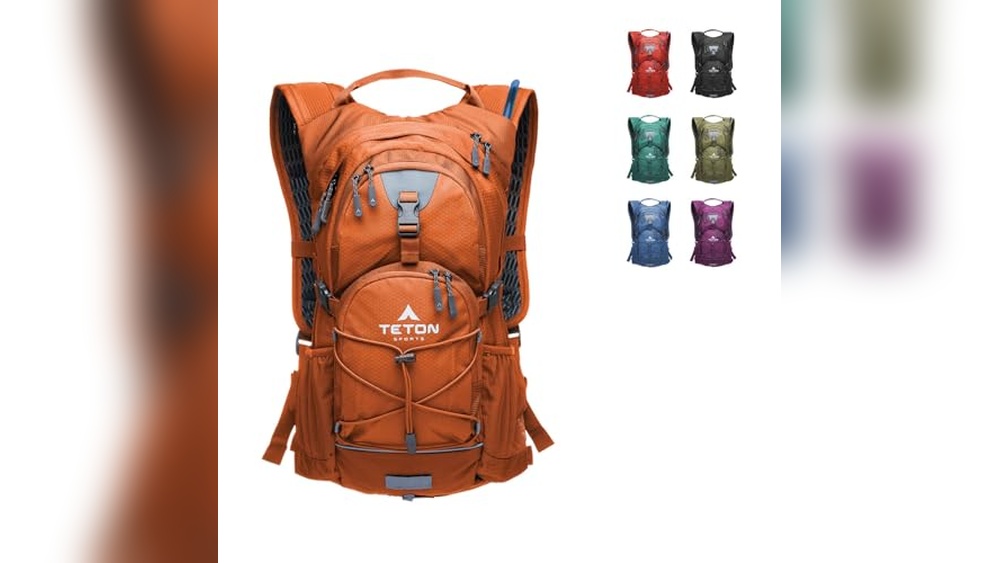
Do you want to make your backpack truly yours? Adding patches is a simple and fun way to show off your style and personality.
But how do you attach them so they stay put and look great? Whether you’re new to this or just need a quick refresher, this guide will walk you through easy and effective ways to attach patches to your backpack.
By the end, you’ll have a customized bag that turns heads and lasts through all your adventures. Keep reading—you’re about to transform your backpack like a pro!
Choosing The Right Patch
Choosing the right patch is key to making your backpack look great. The patch should match your style and last long. Think about the type, material, and size before picking one.
A good patch can add personality to your bag. It also needs to be easy to attach and stay in place. Consider where you want to put it and how often you will wash the backpack.
Types Of Patches
Patches come in many forms. Iron-on patches stick with heat and work well on fabric. Sew-on patches need stitching and hold up better over time. Velcro patches attach quickly and can be removed easily. Choose the type that fits your needs best.
Materials To Consider
Look at the patch’s material. Common options include cotton, polyester, and leather. Cotton patches are soft and easy to sew. Polyester patches resist water and wear. Leather patches add a stylish touch but need careful care. Pick a material that suits your backpack and lifestyle.
Size And Design Tips
Size matters for patches. Small patches fit on straps or pockets. Larger patches stand out on the main body. Match the patch size to your backpack space. Designs should be clear and simple. Bright colors catch the eye, but neutral tones blend better. Choose a design that shows your personality.
Preparing Your Backpack
Preparing your backpack is the first step to attach patches properly. A clean and well-planned surface helps the patch stick better. It also makes your backpack look neat and stylish.
Take time to clean and choose the best spot. Marking the spot carefully ensures the patch stays in place and looks good.
Cleaning The Surface
Start by wiping the backpack surface with a damp cloth. Remove dirt, dust, and oil spots. Let the area dry completely before attaching the patch. Clean fabric helps glue or stitching hold stronger. Avoid using harsh chemicals that can damage the material.
Selecting Placement
Pick a flat area on the backpack for the patch. Avoid curved or uneven spots. Check how the patch size fits the space. Place it where it will be visible and safe from wear. Think about balance and style. You want the patch to look natural and stand out.
Marking The Spot
Use a pencil or fabric chalk to mark the patch location. Mark the center or edges based on your preference. This step helps keep the patch straight and even. Double-check the placement by holding the patch on the mark. Adjust if needed before attaching.
Attaching Patches With Sewing
Sewing patches to a backpack is a strong and lasting way to decorate or repair it. This method holds the patch firmly, even with heavy use. Sewing lets you place the patch exactly where you want it. It also works well on different backpack materials like canvas or nylon. Sewing patches gives a neat and clean look that lasts for years.
Tools You’ll Need
Start by gathering a few basic tools. You will need a needle that fits the patch fabric. Choose thread that matches the patch or backpack color. Scissors are needed to cut the thread. A thimble helps push the needle through thick material. Pins or fabric glue can hold the patch in place before sewing.
Basic Stitch Techniques
Use simple stitches like the running stitch or whip stitch. The running stitch goes in and out of the fabric evenly. It holds the patch flat and secure. The whip stitch loops around the patch edge. It gives extra strength and stops fraying. Keep stitches small and close for a clean finish.
Securing The Patch
Place the patch where you want it. Pin or glue it lightly to keep it still. Start sewing from one corner. Push the needle through both the patch and backpack fabric. Pull the thread tight but not too tight. Sew all around the patch edges. Tie a strong knot on the inside to finish. Trim extra thread for a neat look.
Using Iron-on Patches
Iron-on patches offer a quick and neat way to decorate your backpack. They attach firmly with heat and need minimal tools. No sewing skills required. Perfect for adding style or covering small tears. Follow simple steps for a lasting bond.
Checking Patch Compatibility
Not all fabrics work well with iron-on patches. Look for backpacks made of cotton, denim, or polyester blends. Avoid nylon or leather, as heat may damage them. Check the patch label for fabric recommendations. Test a small area first to be sure.
Step-by-step Ironing Process
Set your iron to medium heat without steam. Place the patch on the backpack surface. Cover the patch with a thin cloth or parchment paper. Press the iron firmly on the patch for 30 to 45 seconds. Apply even pressure and avoid moving the iron. Let it cool for a few minutes. Check if the edges are sealed. Repeat if needed.
Tips For Strong Adhesion
Clean the backpack surface before applying the patch. Avoid ironing over zippers or seams. Press the patch from the inside of the backpack if possible. Use heavy books to press the patch after cooling. For extra strength, sew around the patch edges later. Store the backpack away from moisture to keep the patch secure.
Applying Fabric Glue
Applying fabric glue is a simple way to attach patches to a backpack. It works well for many types of fabric and keeps patches secure. This method does not need sewing or special tools. Just a good glue and some care. Let’s explore how to do it right.
Choosing The Right Glue
Select fabric glue made for textiles. It should be flexible and waterproof. Look for glue that dries clear. Avoid glues with strong odors or toxic ingredients. A good fabric glue stays soft after drying. It will not make the patch stiff or crack over time.
Application Method
First, clean the backpack surface. Remove dirt and dust for better glue grip. Apply glue evenly on the patch back. Use a small brush or the glue tip. Do not put too much glue. A thin layer is enough to stick well. Press the patch firmly on the backpack. Hold it for a minute or two. Make sure no air bubbles form under the patch.
Drying And Durability
Let the glue dry for at least 24 hours. Keep the backpack flat and still during drying. Avoid using or moving it too soon. After drying, the patch should stay in place. The bond is strong and water-resistant. If the patch lifts, add a little more glue and press again. Proper drying ensures the patch lasts long on your backpack.
Maintaining Your Patched Backpack
Maintaining your patched backpack helps it last longer and look good. Patches add style and personality. Taking care of them keeps your backpack neat and strong. Small efforts can prevent damage and keep patches secure.
Cleaning Tips
Use a soft brush to remove dirt from patches. Avoid harsh chemicals that can fade colors. Spot clean patches with mild soap and water. Let your backpack air dry completely before use. Do not machine wash if patches are sewn or glued.
Repairing Loose Patches
Check patches regularly for loose edges or stitches. Use a needle and thread to sew loose patches back. Glue can help secure patches but use fabric glue only. Fix small tears quickly to stop further damage. Keep repair tools handy for quick fixes.
Preventing Damage
Avoid overloading your backpack to reduce stress on patches. Store your backpack in a cool, dry place. Protect patches from sharp objects and rough surfaces. Use a backpack cover during bad weather. Regular care prevents wear and keeps patches looking fresh.
Creative Patch Placement Ideas
Creative patch placement can turn a plain backpack into a unique statement. Thoughtful arrangements give your bag personality and style. Experimenting with different ideas makes the process fun and personal.
Layering Patches
Layering patches creates depth and texture on your backpack. Place smaller patches over larger ones to add interest. Use contrasting colors for a bold look. Overlapping edges slightly helps patches blend naturally. This technique works well on backpack pockets or straps.
Thematic Arrangements
Thematic arrangements group patches by a common idea or style. Choose themes like nature, travel, or music. Arrange patches to tell a story or express your hobbies. Keep related patches close for a clear visual message. This method makes your backpack more meaningful and eye-catching.
Mixing Sizes And Colors
Mixing different patch sizes adds visual balance to your backpack. Pair large patches with small ones for contrast. Use a variety of colors to keep the design lively. Stick to a color palette to avoid clashing. This approach creates a dynamic and attractive look.
Frequently Asked Questions
How Do I Sew Patches Onto A Backpack?
To sew patches, use a needle and strong thread matching the patch color. Secure the patch by stitching around the edges tightly. This ensures durability and prevents peeling. Hand sewing is best for control, but a sewing machine can speed up the process.
Can I Iron Patches Directly On A Backpack?
Yes, iron-on patches can be applied if the backpack fabric is heat-resistant. Place the patch, cover with a cloth, and press with a hot iron for 30-40 seconds. Avoid synthetic materials that may melt. Always check patch instructions before ironing.
What Glue Works Best For Attaching Patches?
Fabric glue or specialized patch adhesive works well for non-sewing methods. Choose a strong, flexible glue that bonds fabric to fabric. Apply a thin layer on the patch back, press firmly on the backpack, and let it dry for 24 hours for best results.
Are Velcro Patches Suitable For Backpacks?
Velcro patches are great for easy removal and replacement. Sew or glue the hook side to the backpack and attach the patch’s loop side. This method is convenient for changing patches but may not be as secure as sewing.
Conclusion
Attaching patches to a backpack is simple and fun. Choose the right method for your patch type. Sewing offers strong hold, while iron-on saves time. Always check patch placement before fixing it. A well-attached patch adds style and personality. Enjoy customizing your backpack with ease and care.
Keep practicing to improve your skills. Your backpack becomes unique with every patch added. Try different patch designs to show your interests. This small task gives your bag a fresh look. Start today and make your backpack stand out!