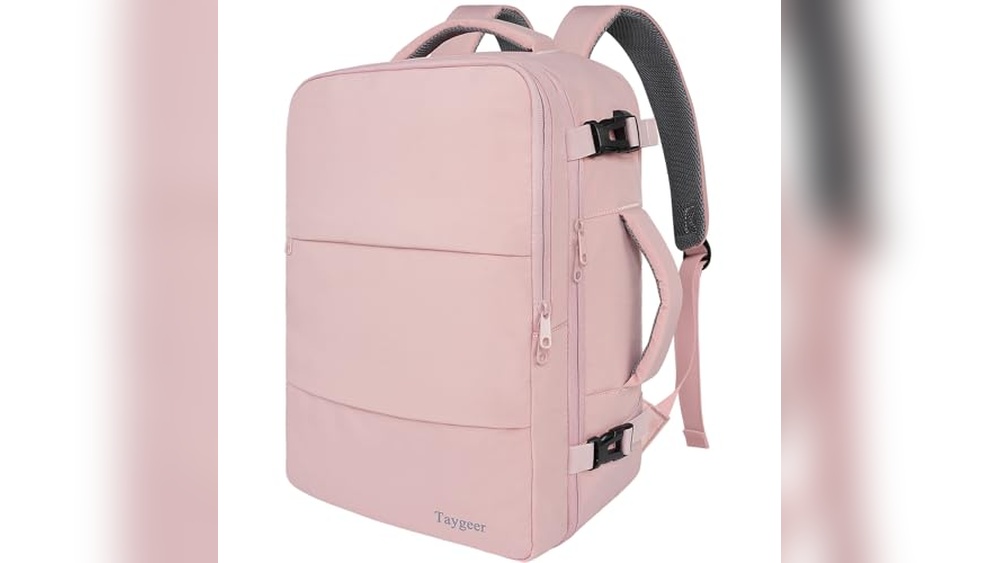
Packing for a week of backpacking can feel overwhelming. You want to bring everything you need but avoid carrying too much weight that will tire you out.
So, how much weight should you actually pack? Finding the right balance is key to enjoying your trip without struggling under a heavy load. You’ll discover simple tips and clear guidelines to help you pack smart and light. Keep reading to learn exactly what you need to know to make your backpacking week comfortable and stress-free.
Factors Influencing Backpack Weight
Packing the right weight for a week of backpacking depends on many things. These factors help decide how much gear and supplies you need to carry. Knowing them helps you pack smart and keep your load comfortable.
Trip Duration And Distance
Longer trips need more food, water, and clothes. You carry more weight for a seven-day trip than a two-day hike. Also, if you plan to walk far each day, pack lighter. Heavy loads slow you down and cause tiredness.
Weather Conditions
Cold or rainy weather means extra clothing and gear. You may need a thicker jacket, rain cover, or warmer sleeping bag. Hot weather allows lighter clothes but needs more water. Always pack for the weather to stay safe and dry.
Terrain Type
Steep or rough trails require less weight to avoid strain. Rocky or uneven paths need good shoes and careful packing. Flat or smooth trails let you carry a bit more. Think about the ground you will walk on.
Personal Fitness Level
Your strength and stamina affect how much you can carry. Stronger hikers handle heavier backpacks better. Beginners should pack lighter to avoid injury. Know your limits and adjust your load for comfort.
Essential Gear To Pack
Packing the right gear makes your week-long backpacking trip safe and fun. Every item in your pack matters. Choose gear that is light but useful. Avoid heavy or bulky items that slow you down. Focus on essentials that meet your needs outdoors.
Backpack Selection
Select a backpack with 40 to 60 liters capacity. It should fit your body well. Look for padded straps and a hip belt. These features help carry weight evenly. A good backpack keeps your load stable and comfortable.
Clothing Choices
Pack clothes that dry quickly and keep you warm. Include a moisture-wicking base layer and an insulating mid-layer. Bring a waterproof jacket for rain. Avoid cotton as it traps moisture. Choose lightweight, versatile clothes for different weather.
Sleeping System
Bring a lightweight sleeping bag rated for the season. Use a compact sleeping pad for comfort and insulation. These items help you rest well at night. Well-rested hikers enjoy their adventure more.
Cooking Equipment
Carry a small stove and a lightweight pot. Include a fuel canister that lasts your trip length. Bring basic utensils and a lighter or matches. Cook simple meals to save time and energy.
Navigation Tools
Pack a detailed map of your route and a compass. A GPS device or smartphone with offline maps helps too. Know how to use these tools before your trip. Navigation tools keep you on track and safe.
Food And Water Weight Considerations
Packing food and water is a big part of your backpack weight. These essentials keep you alive and energized during your week-long trip. Planning smartly helps you carry just enough without adding extra pounds. Understanding how much water and food to bring can save you from heavy loads and hunger.
Meal Planning
Plan meals for each day before you start packing. Choose foods that give you energy and are light. Avoid bringing too much food to keep your pack light. Count calories and nutrients to match your daily needs. Pack snacks that are easy to eat on the trail.
Water Storage And Treatment
Water is heavy but vital. Carry enough water containers to hold what you need. Use lightweight bottles or hydration bladders to save space. Treat water from streams or lakes to avoid sickness. Carry a small filter or purification tablets for safety.
Lightweight Food Options
Choose foods that weigh less but fill you up. Freeze-dried or dehydrated meals work great for backpacking. Nuts, dried fruits, and energy bars add quick calories. Avoid canned or heavy packaged foods. Balance your diet with protein, carbs, and fats for strength.
Weight Management Tips
Managing your backpack weight is key for a comfortable week-long trip. Carrying too much can tire you quickly. Carrying too little might leave you unprepared. Smart packing helps keep your load light and efficient.
Prioritizing Multi-use Items
Choose gear that serves more than one purpose. A scarf can act as a towel or sun shield. A pot can be your cooking and water container. Multi-use items reduce the number of things you carry.
Minimizing Non-essential Gear
Remove items you rarely use. Skip extra clothes for special occasions. Avoid carrying multiple gadgets with similar functions. Focus on what you truly need for safety and comfort.
Packing Techniques For Balance
Distribute weight evenly inside your backpack. Place heavy items close to your back. Keep lighter items towards the outside and top. Balanced weight prevents strain and improves stability.
Recommended Weight Ranges
Packing the right weight is crucial for a week-long backpacking trip. Too much weight can tire you quickly. Too little may leave you unprepared. Knowing the recommended weight helps balance comfort and safety.
This section covers the ideal weight ranges for most backpackers. It also explains how to adjust based on your experience. Finally, it discusses adding safety margins to your pack.
General Weight Guidelines
Most backpackers carry 20 to 30 pounds for a week. This includes clothes, food, water, and gear. Aim for about 20% of your body weight. For example, a 150-pound person should carry no more than 30 pounds.
Try to keep your base weight under 20 pounds. Base weight means your pack without food and water. Reducing base weight makes hiking easier and safer.
Adjusting For Experience Level
Beginners should pack lighter to avoid fatigue. Start near 15 to 20 pounds and add weight gradually. Experienced hikers can carry more weight comfortably.
They have stronger muscles and better stamina. Still, avoid overpacking to prevent injury. Adjust your pack weight based on your fitness and skill.
Safety Margins
Always add a safety margin to your pack weight. Carry extra clothes for weather changes. Pack a first aid kit and backup food for emergencies.
Adding 10 to 15% extra weight helps prepare for surprises. This margin keeps you safe without overloading your pack.
Common Packing Mistakes
Packing for a week-long backpacking trip can be tricky. Many hikers make common mistakes that cause discomfort and trouble on the trail. Knowing these mistakes helps you pack smart and travel light. This saves energy and makes your trip more fun.
Overpacking
Carrying too much weight is a frequent error. Many pack extra clothes, gear, and food “just in case.” Too much weight makes walking tiring and slow. It also increases the risk of injury. Stick to essentials and avoid heavy items. Choose lightweight gear and limit clothes to what you really need.
Ignoring Weight Distribution
Packing items without thinking about balance can cause back pain. Heavy stuff should be close to your back and near the middle of the pack. Light items go to the top or outside. Uneven weight makes walking harder and strains your shoulders. Organize your backpack carefully for comfort and better control.
Forgetting Essential Items
Skipping important gear can spoil your trip. Many forget things like first aid kits, maps, or enough water. Essentials keep you safe and prepared. Checklists help avoid leaving key items behind. Pack basics for survival, navigation, and weather changes.
Testing And Adjusting Your Pack
Testing and adjusting your pack is an important step before a week-long backpacking trip. It helps you carry the right weight and avoid discomfort. Trying out your pack lets you see what works and what doesn’t. You can make changes to improve comfort and balance. This process saves you from carrying unnecessary items or struggling with a heavy load.
Trial Hikes
Start with short hikes using your packed backpack. Choose trails that last a few hours. Pay attention to how your body feels during the walk. Notice any pain or pressure points on your shoulders and back. Try different ways to arrange your gear inside the pack. See if shifting items helps with weight distribution. Trial hikes give real feedback on your pack’s weight and fit.
Feedback And Modifications
After each hike, write down your thoughts. Note what caused discomfort or tiredness. Check if the pack feels too heavy or unbalanced. Remove items that are not needed. Add or swap gear for lighter alternatives. Adjust straps and padding for better support. Small changes can make a big difference in comfort. Keep testing until your pack feels right for you.
Final Pack Check
Before your trip, do a final check of your backpack. Weigh it to confirm it fits your target limit. Pack only essentials to avoid extra weight. Make sure everything is secure and easy to reach. Double-check the comfort of shoulder straps and hip belt. The final pack should feel comfortable and balanced. You are now ready to enjoy your backpacking adventure.
Frequently Asked Questions
How Much Weight Is Ideal For A Week Backpacking Trip?
For a week-long backpacking trip, aim to carry 20-30% of your body weight. Typically, this means 15-25 pounds including gear, food, and water. Keeping your pack light enhances comfort and reduces fatigue, making your adventure more enjoyable and safer.
What Factors Affect How Much Weight To Pack?
Weight depends on trip length, weather, terrain, and personal fitness. Also consider necessary gear like shelter, clothing layers, food, and water. Planning efficiently helps balance safety and comfort without overpacking or underpreparing for your backpacking week.
Can I Carry Less Weight For A Week Trip?
Yes, ultralight backpackers carry as little as 10-15 pounds for a week. This requires specialized gear and minimal food. Reducing weight increases mobility and reduces strain but demands careful planning and experience to ensure safety.
How To Calculate Food Weight For A Week Backpacking?
Plan for 1. 5 to 2 pounds of food per day per person. Choose lightweight, high-calorie meals like dehydrated or freeze-dried food. This ensures enough energy without excessive weight, balancing nutrition and pack weight for your week.
Conclusion
Packing the right weight makes your trip easier and more fun. Carry only what you truly need. Heavy bags slow you down and tire you out. Keep your pack light to move fast and stay comfortable. Plan carefully and check your gear before leaving.
Enjoy your week-long backpacking trip without extra burden. Remember, less weight means more freedom on the trail. Choose wisely, pack smart, and have a great adventure.