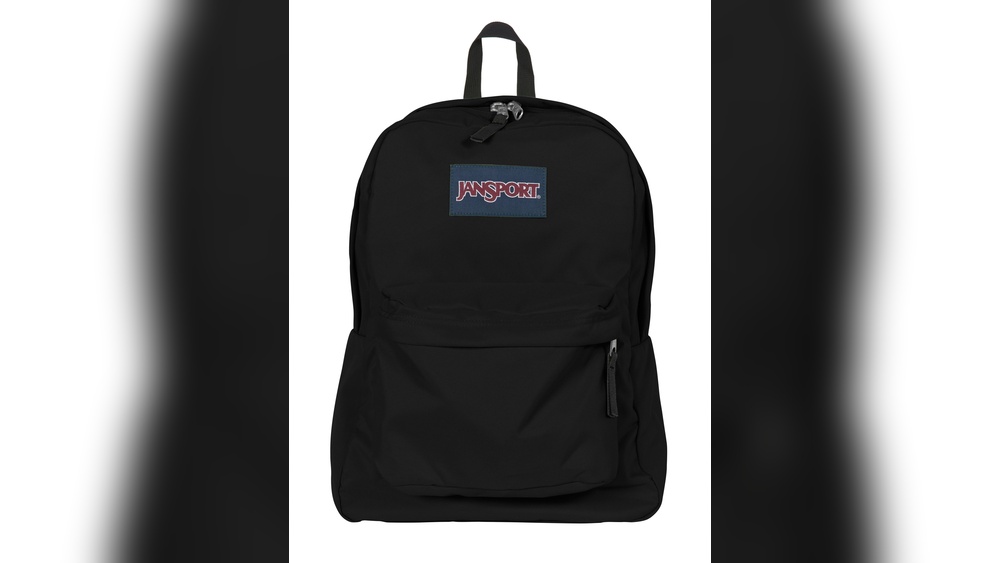
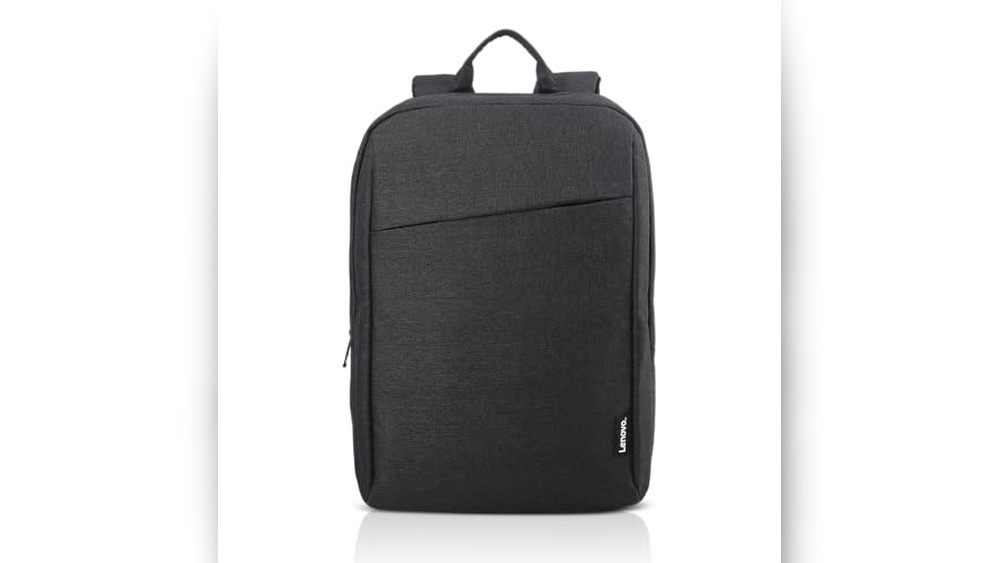
Have you ever wondered how long Covid can survive on your backpack? You use it every day, carrying your essentials, but could it be carrying something harmful too?
Understanding how long the virus lasts on surfaces like backpacks can help you protect yourself and your loved ones better. You’ll discover the facts you need to keep your belongings safe and reduce your risk. Keep reading to find out exactly how long Covid sticks around and what steps you should take next.
Virus Survival On Surfaces
The survival of the Covid virus on surfaces varies widely. Understanding this helps reduce risks of infection from objects like backpacks. The virus can live longer or shorter depending on many factors. These factors affect how long the virus stays active and infectious.
Factors Affecting Virus Lifespan
Temperature plays a key role in virus survival. Higher temperatures usually reduce the virus lifespan. Humidity levels also matter; dry conditions may help the virus last longer. Sunlight, especially UV rays, can break down the virus quickly. The amount of virus initially present changes how long it lasts. Cleaning and disinfecting surfaces reduce the virus significantly.
Materials And Virus Persistence
The virus survives differently on various materials. Hard, non-porous surfaces like plastic and metal let the virus last longer. On these surfaces, Covid may remain for days. Soft, porous materials like fabric absorb moisture and reduce virus survival time. Backpacks often have a mix of materials. The fabric parts may hold the virus for hours, while zippers and plastic parts may hold it longer. Regular cleaning of backpacks helps lower risk of virus transmission.
Covid On Backpacks
Backpacks are part of daily life. They carry books, clothes, and gadgets. During the Covid pandemic, many wonder how long the virus can stay on backpacks. Understanding this helps keep you and others safe.
Common Backpack Materials
Backpacks come in different materials. The most common are nylon, polyester, leather, and canvas. Each material has a different texture and porosity. These factors affect how long the virus survives on the surface.
Nylon and polyester are smooth and less porous. Leather is smooth but can absorb some moisture. Canvas is rough and porous, which may trap more particles.
Estimated Virus Duration
Studies show Covid virus lasts different times on surfaces. On smooth surfaces like nylon and polyester, it can stay up to 3 days. On leather, the virus may survive around 1 to 2 days. Canvas allows the virus to live for a shorter time, usually less than 24 hours.
Temperature and humidity affect virus survival. Warmer and drier places help the virus die faster. Cold and humid places keep it alive longer. Regular cleaning reduces the virus and keeps your backpack safer.
Risk Of Transmission From Backpacks
Backpacks are part of daily life for many people. They carry books, clothes, and personal items. Since backpacks travel through different places, people worry about Covid spreading from them. Understanding the risk helps in taking the right steps to stay safe.
How Transmission Occurs
Covid spreads mainly through droplets from coughs or sneezes. These droplets can land on surfaces, including backpacks. The virus survives for some time on fabric and plastic parts. Touching a contaminated backpack and then touching your face can cause infection. The risk depends on how much virus is present and how long it stays alive.
Assessing Real-world Risks
The chance of catching Covid from a backpack is low. The virus does not live long on soft surfaces like fabric. Outdoor air and sunlight reduce the virus quickly. Most people do not touch backpacks and then their face immediately. Washing hands often lowers the risk even more. Cleaning backpacks with disinfectant adds another layer of safety.
Effective Cleaning Methods
Cleaning backpacks properly helps stop the spread of Covid. The virus can stay on surfaces for hours or days. Using the right methods kills the virus and keeps you safe. Simple steps make a big difference. Here are effective ways to clean your backpack.
Safe Disinfectants For Backpacks
Use disinfectants safe for fabric. Products with at least 70% alcohol work well. Diluted bleach solutions also kill the virus. Avoid harsh chemicals that damage material. Spray or wipe the backpack’s outer and inner parts. Let the disinfectant sit for a few minutes to kill germs fully.
Cleaning Frequency Recommendations
Clean your backpack after heavy use or exposure to crowded places. Weekly cleaning is good for regular use. Increase frequency if someone around is sick. Regular cleaning lowers the risk of virus buildup. Dry the backpack completely after cleaning to avoid mold and damage.
Preventive Practices
Preventive practices help reduce the risk of Covid spreading through backpacks. Viruses can survive on surfaces like fabric for hours or days. Taking careful steps limits contact and keeps you safer. Clean habits and smart handling make a big difference.
Handling Backpacks Safely
Touch backpacks only by straps or handles. Avoid touching your face after handling them. Wash your hands immediately after use. Keep backpacks away from shared surfaces. Store them in clean, dry places. Do not share backpacks with others. Use hand sanitizer if soap and water are not available.
Additional Safety Measures
Clean backpacks regularly with mild soap and water. Let backpacks dry completely before use. Avoid placing backpacks on the floor or public seats. Use disinfectant wipes on frequently touched areas. Consider using a protective cover on your backpack. Teach children to follow these safety steps.
Frequently Asked Questions
How Long Does Covid Survive On Backpacks?
Covid can survive on backpack surfaces for 1 to 3 days. Material type affects virus longevity. Smooth surfaces hold the virus shorter than porous ones.
Does Fabric Affect Covid’s Lifespan On Backpacks?
Yes, fabric materials reduce the virus survival time. Porous surfaces absorb droplets, lowering virus viability. Regular cleaning helps minimize contamination risks on backpacks.
How To Disinfect A Backpack From Covid Effectively?
Use alcohol-based wipes or sprays with at least 70% alcohol. Clean all backpack surfaces thoroughly. Allow it to air dry completely before use.
Can Covid Spread Through Touching Backpacks?
Transmission via backpacks is possible but unlikely. Virus spreads mainly through respiratory droplets. Proper hand hygiene reduces infection risk after touching backpacks.
Conclusion
Covid can survive on backpacks for several hours to days. It depends on material and temperature. Cleaning your backpack regularly helps reduce risk. Use soap and water or disinfectant wipes. Keep backpacks dry and store them properly. Avoid touching your face after handling backpacks.
Staying safe means simple habits make a big difference. Remember, careful cleaning keeps you and others healthier. Small actions protect your health every day.