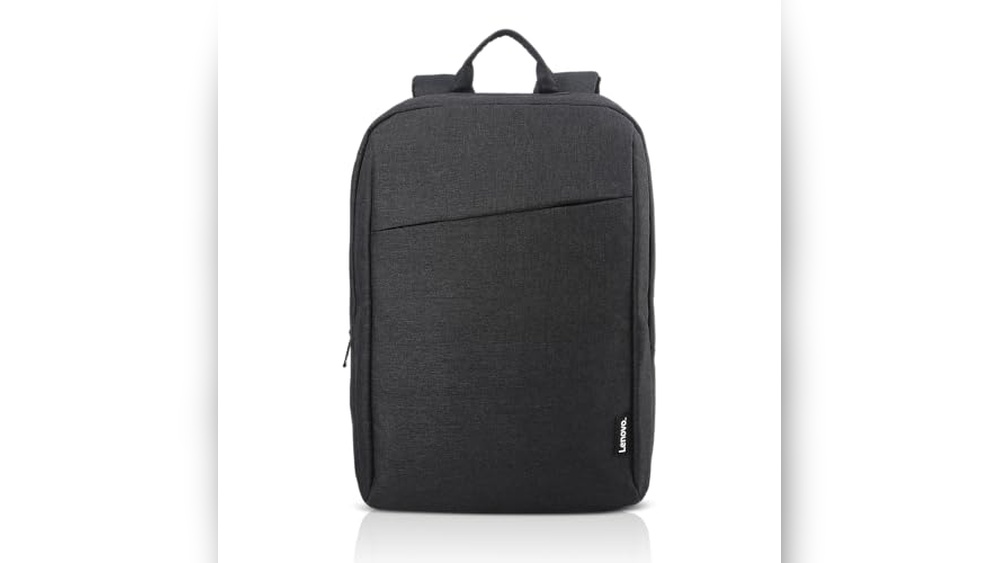
Are you looking to create the perfect black backpack that fits your style and needs? Designing a black backpack might seem simple, but there’s more to it than just picking a color.
Your backpack should be practical, comfortable, and stand out without being too flashy. You’ll discover easy steps to design a black backpack that matches your personality and daily routine. Keep reading to find out how small choices can make a big difference in your backpack’s look and function.
Choosing The Right Materials
Choosing the right materials is key to designing a black backpack. Materials affect look, feel, and how long the bag lasts. Selecting the right fabric helps match the backpack to its use. It also influences comfort and protection for your items.
Consider durability, texture, water resistance, and eco-friendliness. These features shape the backpack’s quality and appeal. Let’s explore these material choices in detail.
Durability And Texture
Durability means the backpack can handle daily wear and tear. Strong fabrics like nylon and polyester are common choices. They resist rips and tears well. Texture affects how the backpack feels to touch and looks. Smooth fabrics give a sleek look. Rougher textures add style and grip.
Water Resistance Options
Water resistance protects the backpack and its contents from rain. Coated fabrics repel water and dry quickly. Materials like coated nylon or polyester are great choices. Some backpacks use water-resistant zippers and seams too. Water resistance is important for outdoor use and travel.
Eco-friendly Fabrics
Eco-friendly fabrics reduce harm to the environment. Recycled polyester and organic cotton are popular options. These materials use fewer resources and less energy. Choosing eco-friendly fabrics supports sustainable fashion. They also bring a unique texture and look to the backpack.
Selecting The Ideal Size
Selecting the ideal size for a black backpack is key to its usefulness. The right size makes carrying items easy and comfortable. Choosing a backpack too large or too small can cause hassle. Consider how and where you will use the backpack most.
Think about the items you carry daily. Also, consider trips or outdoor activities. Different needs call for different backpack sizes. Knowing these needs helps you pick the perfect size.
Everyday Carry Dimensions
Everyday backpacks usually hold about 15 to 25 liters. This size fits laptops, books, and small personal items. It is not bulky and stays light on your back. Perfect for school, work, or casual outings. Look for slim designs that keep essentials organized.
Travel And Hiking Sizes
Travel backpacks often range from 30 to 50 liters. They have space for clothes, gadgets, and travel gear. Hiking backpacks can be even bigger, up to 70 liters or more. These sizes allow carrying food, water, and extra layers. Choose padded straps and back support for comfort on long trips.
Compact Vs. Spacious Designs
Compact backpacks suit those who carry few items. They are light and easy to move with. Spacious backpacks fit many things but weigh more. They offer more pockets and compartments. Pick a size that matches your daily load. Balance comfort with capacity for best use.
Designing Functional Compartments
Designing functional compartments in a black backpack improves its use every day. Good compartments keep things safe and easy to find. They help the bag stay neat and organized. Thoughtful design makes a backpack more practical and user-friendly.
Each pocket and section should have a clear purpose. Size and placement matter for carrying different items. Smart compartments also protect gadgets and small belongings. The goal is a backpack that fits your needs perfectly.
Laptop And Tech Pockets
Include a padded laptop pocket for safety. It stops scratches and damage during travel. A separate tablet slot adds extra protection. Tech pockets should be easy to open and close. Use soft lining to avoid screen scratches. Keep these compartments near the back for better support.
Organizing Small Items
Small items need special compartments to avoid getting lost. Use zippered pockets or mesh sections inside the bag. These keep pens, chargers, and keys in place. Group similar items together for quick access. Small compartments stop clutter and save time.
Easy Access Sections
Design front or side pockets for things used often. Water bottles, snacks, or tickets fit well here. Pockets should open without removing the backpack. Use zippers or magnetic closures for fast access. Easy access sections make daily use smoother and faster.
Incorporating Comfort Features
Comfort is key when designing a black backpack. A comfortable backpack makes carrying easier. It reduces strain and prevents pain. Adding comfort features helps users carry items for longer. Thoughtful design improves the overall experience. Focus on key areas to boost comfort.
Ergonomic Straps
Ergonomic straps fit the body shape well. They spread weight evenly across shoulders. Padding in straps softens pressure on skin. Adjustable straps allow a custom fit. Wide straps avoid digging into shoulders. This design reduces fatigue and discomfort.
Back Padding Solutions
Back padding cushions the contact area. It protects the spine and muscles from hard loads. Use breathable materials to reduce sweating. Thick foam padding offers support and comfort. The padding shape should follow the back’s curve. This keeps the backpack close and stable.
Weight Distribution Techniques
Good weight distribution prevents imbalance. Place heavier items near the back panel. This keeps the center of gravity close to the body. Use multiple compartments to organize contents. Balanced weight lowers shoulder and back strain. Proper distribution makes carrying feel lighter.
Enhancing Style Elements
Enhancing style elements is key to designing a black backpack that stands out. Small details create big impressions. The right choices make the bag both practical and stylish. Focus on simple design tweaks to elevate the overall look. Choose features that reflect your personality and needs.
Minimalist Vs. Bold Designs
Minimalist designs use clean lines and few details. They give a sleek, modern feel. Bold designs add color, patterns, or extra shapes. These backpacks catch the eye and express confidence. Decide if you want subtle elegance or strong style. Both styles suit different moods and occasions.
Hardware And Zipper Choices
Hardware affects both function and look. Matte black zippers blend with the bag for a smooth look. Shiny metal zippers offer a contrast and a bit of shine. Choose zipper pulls that are easy to grip and durable. Small hardware like buckles and rings can add character without clutter.
Adding Unique Accents
Unique accents give your backpack a personal touch. Leather patches, embossed logos, or fabric tags add texture. Reflective strips increase safety and add a modern edge. Consider stitched designs or custom patches to tell your story. These accents make the backpack truly yours.
Balancing Security And Accessibility
Designing a black backpack means finding the right balance between security and accessibility. The backpack must protect valuable items while allowing easy reach to essentials. This balance keeps belongings safe without slowing the user down. Smart design choices help achieve this goal effectively.
Hidden Pockets
Hidden pockets add a layer of security to a backpack. These pockets are placed in less obvious areas. They keep important items like wallets or passports safe from thieves. Users can store valuables out of plain sight. This feature enhances protection without making the bag bulky.
Lockable Zippers
Lockable zippers prevent easy access to the bag’s main compartments. They add an extra barrier against theft. Users can secure their belongings by locking the zippers together. This simple feature increases peace of mind during travel or daily use. It keeps the backpack’s contents well-guarded.
Quick-access Features
Quick-access features allow fast retrieval of everyday items. Front pockets or side compartments are ideal for phones, keys, or tickets. These areas stay easy to reach without opening the whole backpack. Quick access saves time and keeps essentials close. It supports smooth movement without compromising security.
Customizing For Target Users
Designing a black backpack starts with knowing who will use it. Customizing the backpack to fit the needs of target users makes it more useful. Each group has different habits and preferences. A well-designed backpack meets these specific needs.
Urban Commuters
Urban commuters need a backpack that is sleek and light. It should fit laptops and small gadgets safely. Extra pockets help keep items organized. Water-resistant material protects contents from rain. Comfortable straps make daily travel easy.
Students And Professionals
Students and professionals carry books, papers, and devices. Compartments for laptops and tablets are important. A padded back supports long hours of wear. The design should be simple and neat. Durable zippers and strong fabric ensure long use.
Outdoor Enthusiasts
Outdoor enthusiasts need backpacks that can handle rough conditions. Strong fabric resists tears and dirt. Multiple compartments help separate gear and food. Adjustable straps and ventilation improve comfort during hikes. Reflective elements add safety in low light.
Maintaining And Caring For Black Backpacks
Black backpacks are popular for their style and durability. Keeping them clean and in good condition helps them last longer. Regular care maintains their look and functionality. Follow simple steps to keep your black backpack fresh and strong.
Cleaning Tips
Use a soft brush or cloth to remove dirt. Clean the backpack with mild soap and water. Avoid harsh chemicals that damage fabric. Spot clean regularly to avoid buildup. Let it air dry completely before storing.
Stain Removal Methods
Act quickly on stains to prevent setting. Dab stains gently with a damp cloth. Use a mixture of water and gentle detergent for tough spots. Avoid scrubbing hard to protect the fabric. Test any cleaner on a small area first.
Storage Best Practices
Store your backpack in a cool, dry place. Keep it away from direct sunlight to prevent fading. Empty all pockets before storing. Hang it or place it on a flat surface to keep shape. Avoid stacking heavy items on top.
Frequently Asked Questions
What Materials Are Best For Designing A Black Backpack?
Durable fabrics like nylon, polyester, or leather work best. They offer strength, water resistance, and a sleek black finish. Choose materials that balance style with practicality for long-lasting backpacks.
How To Choose The Right Size For A Black Backpack?
Consider your daily needs and what you’ll carry. Small backpacks suit essentials, while larger ones fit laptops and books. Measure your typical load to select the perfect size.
What Design Features Enhance A Black Backpack’s Functionality?
Look for padded straps, multiple compartments, and secure zippers. These features improve comfort, organization, and security. Adding reflective elements boosts visibility in low light.
How Can I Make My Black Backpack Stylish Yet Practical?
Combine minimalistic designs with functional pockets and quality materials. Use subtle accents or textures to add flair without sacrificing utility. Balance aesthetics and usability for the best design.
Conclusion
Designing a black backpack can be fun and simple. Choose the right size and shape first. Pick durable materials that suit your style. Add pockets for easy storage and access. Focus on comfort with padded straps and back support. Keep the design clean and practical.
A well-made backpack fits your daily needs. Try to balance style with function. Your black backpack will be ready for any trip or task. Enjoy creating a bag that works just for you.