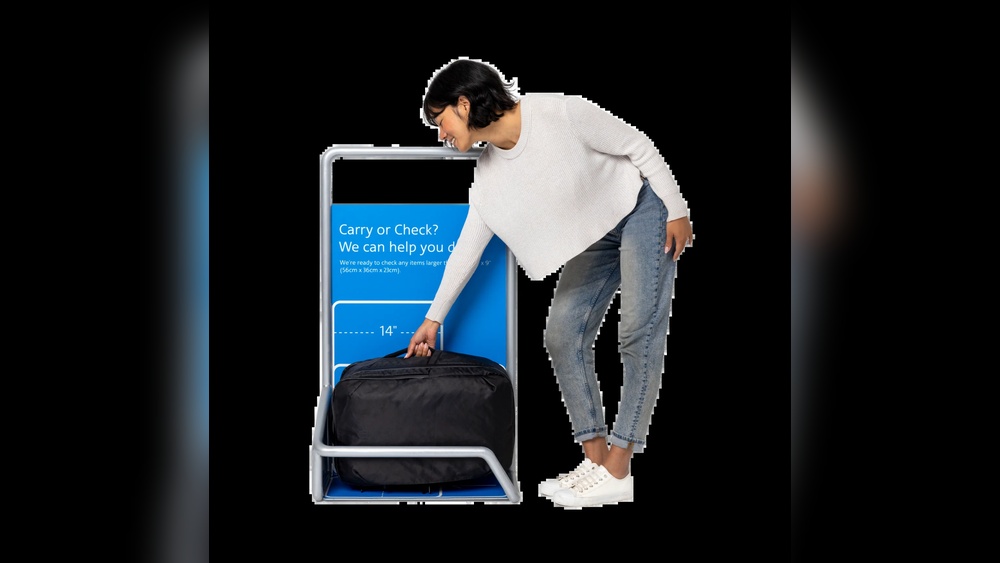
Imagine moving freely without the weight of a heavy backpack slowing you down. You want to explore more, experience new places, and feel comfortable every step of the way.
But packing light can be tricky. What do you really need? What can you leave behind? This guide will help you discover simple, effective ways to backpack light, so you can enjoy your trip without the burden of extra stuff.
Ready to travel smarter and lighter? Keep reading to unlock the secrets that make every trip easier and more enjoyable.
Choosing The Right Backpack
Choosing the right backpack is key to a light and easy backpacking trip. The backpack holds all your gear and needs to match your travel style. Pick a bag that suits your body and the trip length. A good backpack makes your journey comfortable and saves your energy.
Size And Capacity
Choose a backpack size that fits your trip. For short trips, a 20-35 liter bag works well. Longer trips need a bigger pack, around 40-60 liters. Avoid large backpacks; they encourage overpacking. Think about the gear you need before picking size.
Comfort And Fit
Comfort is vital for all-day carrying. Look for padded shoulder straps and a padded back panel. The backpack should fit your torso length and waist size. Adjust straps to balance weight evenly. Try the backpack with weight before buying.
Essential Features
Check for useful features like multiple compartments. A separate sleeping bag section helps organize gear. Look for hydration bladder pockets and easy-access side pockets. Strong zippers and durable fabric increase lifespan. Rain covers protect your gear in wet weather.
Packing Essentials Only
Packing light is key to a smooth backpacking trip. Carry only what you truly need. This makes your journey easier and more enjoyable. Avoid heavy bags and extra stuff that you won’t use.
Focus on essentials that serve multiple purposes. Choose items that are light and compact. Every item should have a reason to be in your bag.
Clothing Tips
Pick clothes that dry fast and don’t wrinkle easily. Limit yourself to two or three shirts and one pair of pants. Use layers instead of bulky jackets. Carry one warm layer for cold nights. Pack socks and underwear for each day. Choose neutral colors to mix and match. Avoid heavy shoes; lightweight and durable are better.
Toiletries And Personal Items
Take only small-sized toiletries. Use travel bottles for shampoo and soap. Carry a toothbrush, toothpaste, and a small towel. Keep a basic first aid kit handy. Include sunscreen and insect repellent in tiny containers. Leave behind items that hotels often provide. Keep personal items minimal to save space.
Tech And Gadgets
Bring only essential electronics. A smartphone with offline maps is helpful. Carry a lightweight charger and a power bank. Use a compact camera if you want better photos. Skip heavy laptops or extra gadgets. Keep cords and accessories organized in a small pouch. Choose multipurpose devices when possible.
Smart Packing Techniques
Packing smart saves space and reduces weight for any backpacker. It helps keep your gear organized and easy to find. Smart packing techniques make your trip more comfortable and less stressful. Use these tips to pack light and efficient.
Rolling Vs Folding
Rolling clothes saves more space than folding. It also reduces wrinkles. Roll thin fabrics tightly for best results. Fold thick or stiff items to keep shape. Mix both methods to fit your bag perfectly.
Using Packing Cubes
Packing cubes separate your gear by type or day. They keep clothes neat and easy to access. Cubes compress items, freeing up more room. Choose lightweight cubes with sturdy zippers for long trips.
Maximizing Space
Fill every gap inside your backpack. Use shoes to store socks or small items. Place heavy items near your back for balance. Layer clothes to avoid empty pockets. Tighten straps to compress the load well.
Selecting Lightweight Gear
Choosing the right gear is key to backpacking light. Every item should be small, light, and useful. Carrying less weight helps you move faster and enjoy the trip more.
Focus on gear that saves space and reduces load. Quality matters more than quantity. Pick items that serve more than one purpose. This cuts down on what you carry.
Sleeping Gear
Pick a sleeping bag that is light and packs small. Synthetic or down fill offers good warmth without bulk. A compact sleeping pad adds comfort and insulation. Avoid heavy blankets or large pillows.
Cooking Equipment
Choose a small stove that fits your needs. Lightweight canisters or alcohol stoves weigh less. Use a pot that can cook multiple meals. Carry only essential utensils. Skip large or extra cookware.
Clothing Materials
Wear clothes made from lightweight, quick-dry fabrics. Synthetic and wool blends work well. Avoid cotton; it holds moisture and weighs more. Layering helps adjust to weather without extra weight. Pack only needed items for the trip length.
Minimizing Paper And Extras
Cutting down on paper and extra items is key to light backpacking. Papers add weight and take space. They also risk getting lost or damaged. Less paper means a lighter, neater bag.
Focus on what you really need. Keep only essential documents and tools. Use digital options to carry important information. This method saves weight and makes travel easier.
Digital Documents
Store all important papers on your phone or tablet. Scanned copies of your passport, tickets, and insurance help. Use apps or cloud storage to access files anytime. No need to carry heavy paper copies. It keeps everything safe and handy.
Travel Apps
Travel apps replace many traditional items. Maps, guides, and translators fit in your device. Use apps to book hotels and check transport. They reduce the need for paper maps and brochures. Apps also save time and keep you organized.
Reducing Non-essentials
Skip items that do not add value to your trip. Avoid carrying extra notebooks, flyers, or receipts. Limit souvenirs to small, lightweight items. Each item adds up in weight and clutter. Pack only what you truly need and will use.
Maintaining Flexibility
Maintaining flexibility is key to backpacking light. It lets you adapt to changing weather and activities. Packing smart means you can handle surprises without extra weight. This approach keeps your load manageable and your trip more enjoyable.
Layering Clothes
Layering helps you stay comfortable in different temperatures. Start with a light base layer to wick sweat away. Add a warm middle layer for insulation. Use a waterproof outer layer to protect from rain and wind. Layering lets you add or remove clothes easily.
Multi-purpose Items
Choose items that serve more than one purpose. A bandana can be a headband, towel, or sun shield. A jacket with a hood protects from rain and keeps you warm. Multi-purpose gear reduces the number of items you carry. This saves space and weight in your pack.
Adjusting On The Go
Be ready to change your plans or gear use. Check the weather often and dress accordingly. Use your layers to stay cool or warm quickly. Shift items in your pack to balance weight while walking. Staying flexible helps you enjoy your trip without stress.
Tips For Staying Organized
Staying organized is key to backpacking light. It saves time and energy. It keeps your gear safe and easy to find. Small habits help keep your backpack neat and ready for any adventure.
Use these tips to keep your pack tidy. They make your trip smoother and more enjoyable.
Daily Packing Routine
Start each day by planning what you need. Pack only the essentials for the day’s activities. Put things back in their place every evening. This habit prevents clutter and lost items. It also helps you spot missing gear fast.
Quick Access Items
Keep important items easy to reach. Place maps, snacks, and a small first aid kit in outer pockets. Use small bags or pouches for these items. This saves time and reduces stress during stops.
Keeping Gear Clean
Store dirty clothes in separate bags. Avoid mixing clean and dirty items. Clean your gear regularly, especially after rainy days. Dry everything before packing to prevent mold and bad smells. Clean gear lasts longer and works better.
Frequently Asked Questions
What Are The Essentials For Backpacking Light?
Essentials include a lightweight backpack, multipurpose clothing, compact sleeping gear, and minimal toiletries. Prioritize items that serve multiple functions to save space and reduce weight.
How To Pack Clothes Efficiently For Light Backpacking?
Roll clothes tightly to save space and reduce wrinkles. Choose quick-dry, lightweight fabrics and pack only versatile items suitable for various weather conditions.
Can Lightweight Gear Affect Backpacking Comfort?
Yes, lightweight gear improves comfort by reducing strain and fatigue. However, ensure it maintains durability and functionality to avoid compromising safety and convenience.
How To Minimize Food Weight When Backpacking?
Opt for dehydrated, freeze-dried, or ready-to-eat meals. Pack calorie-dense snacks and plan meals to avoid excess food and unnecessary weight.
Conclusion
Packing light makes backpacking easier and more fun. Carry only what you truly need. Choose versatile clothes and gear to save space. Keep your bag organized to find things quickly. Travel with less weight to move faster and feel better.
Remember, less stuff means less stress. Enjoy your trip with a light backpack and a free mind.