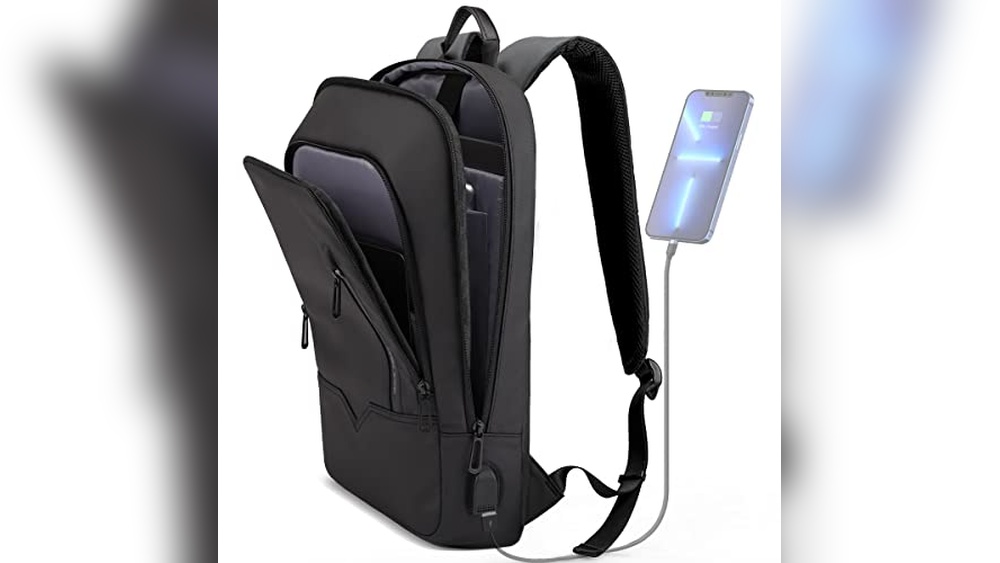
You rely on your Camelbak backpack for hydration during every adventure. But have you ever stopped to think about how clean it really is?
Dirt, bacteria, and mold can build up inside without you even noticing. Cleaning your Camelbak properly isn’t just about keeping it looking good—it’s about protecting your health and making sure every sip tastes fresh. If you want to learn the simple steps to keep your backpack spotless and safe, keep reading.
You’ll discover easy tips that save you time and keep your gear in top shape.
Preparing Your Camelbak
Preparing your Camelbak before cleaning is key to a thorough job. It helps avoid damage and makes cleaning easier. Follow simple steps to get your backpack ready.
Emptying The Backpack
Start by removing all items from the backpack. Take out any dirt or debris inside. Check every pocket and compartment carefully. A clean backpack shell makes the cleaning process simpler.
Disassembling Components
Detach the hydration bladder from the backpack. Remove the drinking tube and bite valve as well. Separate each part to clean them properly. This prevents mold and bacteria buildup in hidden areas.
Cleaning The Reservoir
Cleaning the reservoir of your Camelbak backpack is key for safe drinking water. Regular cleaning stops mold and bacteria growth. It also keeps the taste fresh and the water clear. Follow these simple steps to clean the reservoir well.
Choosing The Right Cleaning Solution
Pick a gentle cleaning solution for the reservoir. Use mild soap or baking soda mixed with water. Avoid bleach or strong chemicals that can damage the reservoir. Special Camelbak cleaning tablets are good options too. They clean without leaving harmful residue.
Scrubbing The Interior
Use a soft brush or sponge to scrub inside the reservoir. Focus on corners and the tube where dirt hides. Clean the bite valve carefully. Remove any buildup or slimy patches. Avoid hard brushes that may puncture the plastic.
Rinsing Thoroughly
Rinse the reservoir many times with clean water. Make sure no soap or cleaning solution remains inside. Flush the tube and bite valve well. Let the reservoir air dry completely before storing. This stops mold from growing inside.
Cleaning The Tube And Bite Valve
Cleaning the tube and bite valve is important for your Camelbak backpack. Dirt and bacteria can build up inside. This can cause bad taste and health problems. Regular cleaning keeps the water fresh and safe.
Removing The Tube
Start by detaching the tube from the reservoir. Gently pull the tube off the bite valve. Avoid using sharp tools that can damage it. Make sure the tube is fully removed for better cleaning.
Using Brushes For Deep Cleaning
Use a long, thin brush to clean inside the tube. Push the brush through from one end to the other. Twist the brush to remove dirt and buildup. Clean both ends of the tube carefully. Rinse the tube with warm water afterward.
Sanitizing The Bite Valve
Remove the bite valve from the tube next. Soak it in warm, soapy water for a few minutes. Use a small brush or cloth to clean all sides. Rinse well with clean water. Let the bite valve air dry before reattaching it.
Washing The Backpack Exterior
Cleaning the outside of your Camelbak backpack keeps it looking fresh and new. Dirt and stains can build up from daily use. Regular washing protects the fabric and extends your backpack’s life. Focus on gentle cleaning methods to avoid damage. Use the right techniques for the best results.
Spot Cleaning Stains
Start by checking for small stains or dirt spots. Use a soft cloth or sponge with mild soap and water. Gently rub the stained area in small circles. Avoid harsh scrubbing to protect the fabric. Rinse the cloth and wipe the soap away carefully. Let the backpack air dry before use.
Machine Washing Tips
Machine washing is possible but requires care. Remove all detachable parts like the hydration bladder. Place the backpack in a pillowcase or laundry bag to protect straps. Use cold water and mild detergent only. Choose a gentle cycle to prevent damage. Avoid bleach and fabric softeners for best results.
Drying The Backpack
Dry your Camelbak backpack in a well-ventilated area. Avoid direct sunlight to prevent color fading. Hang the backpack upside down to drain moisture. Do not use a dryer as heat can harm the materials. Make sure it is completely dry before storing or using again.
Preventing Mold And Odor
Mold and bad smells can damage your Camelbak backpack. Moisture stays inside the reservoir and tubes, causing problems. Cleaning alone is not enough. You must dry and store the backpack properly. This stops mold and odors from forming. Keep your backpack fresh and safe for every use.
Proper Drying Techniques
Dry your Camelbak completely after each use. Remove the reservoir and hoses. Use a clean towel to wipe the inside. Hang the parts in a cool, dry place. Avoid direct sunlight to prevent damage. Open all openings to let air flow. A drying rack or hanger works well. Make sure no moisture remains before storing.
Storage Recommendations
Store your Camelbak in a dry, cool spot. Keep it away from damp areas like basements. Leave the reservoir and tubes open during storage. This helps air circulate and stops mold growth. Avoid sealing the backpack with water inside. Use a breathable bag or container for storage. Check the backpack regularly for any moisture or smells.
Regular Maintenance Tips
Regular maintenance keeps your Camelbak backpack clean and safe to use. Dirt and bacteria can build up quickly without care. Following simple steps helps your backpack last longer and stay fresh. Regular cleaning stops bad smells and mold growth.
Cleaning Frequency
Clean your Camelbak after every few uses. If you use it daily, clean it once a week. For occasional use, clean it after every trip. Always check for dirt or mold before use. Frequent cleaning prevents damage and keeps water tasting good.
Quick Cleaning Between Uses
Rinse the reservoir with warm water after each use. Use a clean cloth to wipe the outside of the backpack. Remove the hose and bite valve to rinse separately. Let all parts dry completely before storing. This quick cleaning stops bacteria growth and odor.
Frequently Asked Questions
How Do I Clean The Camelbak Reservoir?
Rinse the reservoir with warm water and mild soap. Use a cleaning kit or brush for thorough scrubbing. Rinse well and air dry completely to prevent mold and odors.
Can I Wash My Camelbak Backpack In A Washing Machine?
It’s best to avoid machine washing. Hand wash the backpack with mild detergent and warm water to protect materials and zippers. Air dry fully before use.
How Often Should I Clean My Camelbak Hydration Pack?
Clean the reservoir after every use, especially if filled with sugary drinks. Wash the backpack every few uses or when visibly dirty for hygiene and longevity.
What Tools Do I Need To Clean A Camelbak Backpack?
Use warm water, mild soap, a reservoir cleaning brush, and baking soda for odor removal. Soft cloths or sponges help clean the backpack fabric gently.
Conclusion
Cleaning your Camelbak backpack keeps it fresh and safe to use. Regular care stops mold and bad smells from building up. Always rinse the reservoir and tubes well after each use. Dry everything completely before storing to avoid damage. A clean backpack lasts longer and feels better to wear.
Simple steps make a big difference in hygiene and comfort. Keep your hydration gear ready for every adventure. Easy to clean, easy to enjoy.