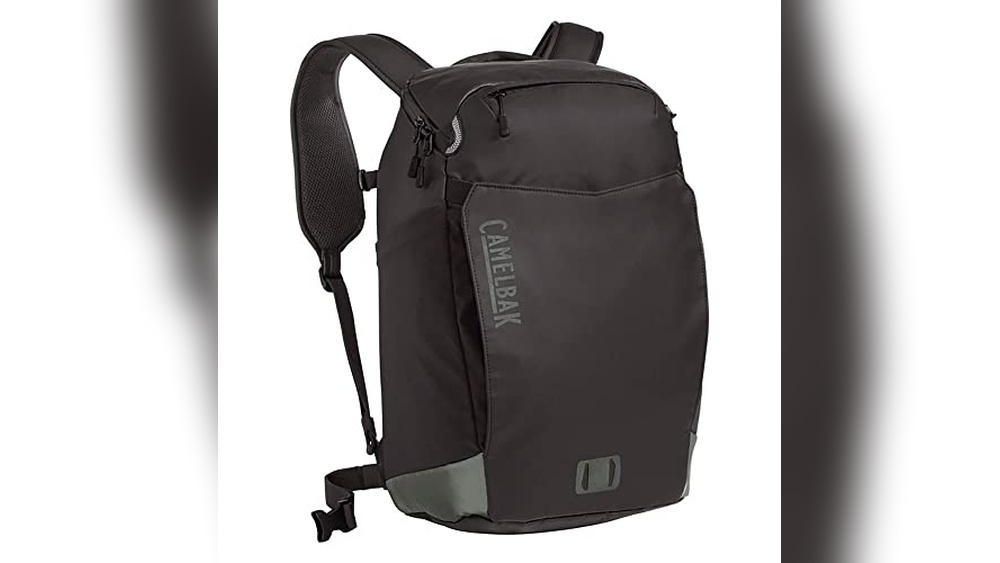
Are you ready to upgrade your backpack and make it truly your own? Knowing how to make straps for a backpack can save you money, improve comfort, and add a personal touch.
Imagine having straps that fit perfectly and last much longer than store-bought ones. In this guide, you’ll discover simple steps and tips that anyone can follow—even if you’ve never sewn before. Keep reading, and by the end, you’ll have the skills to create strong, stylish straps that transform your backpack into something special just for you.
Materials Needed
Making straps for a backpack requires a few important materials. Choosing the right items ensures your straps will be strong and comfortable. Gather all supplies before starting. This saves time and helps the process go smoothly.
Types Of Fabric
Durable fabric works best for backpack straps. Nylon and polyester are popular choices. These materials resist wear and tear. Cotton webbing also offers comfort and strength. Consider padded fabric for extra comfort. Select fabric that matches your backpack style and needs.
Hardware And Tools
You need hardware to connect and adjust straps. Common items include metal or plastic buckles. D-rings and sliders help with length adjustment. A sewing machine speeds up the process. Strong needles and heavy-duty thread are essential for sewing thick fabric.
Additional Supplies
Other supplies make the job easier. Scissors or rotary cutters help cut fabric neatly. Pins or clips hold pieces together during sewing. Measuring tape ensures accurate strap length. Chalk or fabric markers help mark cutting lines. A lighter or fray check prevents fabric from unraveling.
Measuring And Cutting Straps
Measuring and cutting straps is a key step in making a backpack. The straps must fit well for comfort and strength. Taking accurate measurements and cutting the fabric carefully makes a big difference. This section guides you through the process with simple steps. Follow along for perfect straps that last long.
Determining Strap Length
Start by deciding how long the straps should be. Think about the backpack size and who will wear it. Measure from the top of the shoulder to the bottom of the backpack. Add extra length for adjustments and comfort. A good rule is to add 6 to 8 inches more. This gives enough space for buckles and seams. Write down the final length before cutting.
Cutting Fabric Precisely
Place the fabric on a flat surface to cut. Use sharp scissors or a rotary cutter for clean edges. Mark the strap length on the fabric with chalk or a fabric pen. Cut slowly along the marked line to avoid mistakes. Make sure both straps are the same size by cutting one after the other. Keep the cut edges neat to prevent fraying later.
Reinforcing The Straps
Reinforcing the straps is a key step in making a strong backpack. Straps must hold weight and last long. Weak straps can tear or wear out fast. Strengthening them ensures safety and comfort. Proper reinforcement makes the backpack reliable for daily use and heavy loads.
Adding Padding For Comfort
Adding padding softens the straps. It stops straps from digging into shoulders. Use foam or thick fabric as padding. Cut padding to fit strap size. Sew padding securely on the strap’s inner side. Comfortable straps make carrying easier. Padding also spreads weight evenly.
Double Stitching Techniques
Double stitching makes straps tougher. Sew two parallel lines along strap edges. Use strong thread like nylon or polyester. Double stitching holds fabric tightly together. It prevents straps from fraying or breaking. Make sure stitches are even and close. This method extends the life of straps.
Attaching Buckles And Adjusters
Attaching buckles and adjusters is a key step in making backpack straps. These parts help you change the strap length and keep the backpack secure. Proper attachment makes the backpack comfortable and sturdy for daily use.
Choosing The Right Hardware
Select buckles and adjusters made from strong plastic or metal. They must fit the strap width exactly. Too small or large hardware can cause slipping or breakage. Pick pieces that match the backpack style and use.
Securing Buckles Firmly
Thread the strap carefully through the buckle slots. Fold the strap end back and sew it tightly. Use strong stitches or a sewing machine for best results. Test the buckle by pulling the strap hard. Fix it again if it moves or slips.
Sewing The Straps
Sewing the straps is a key step in making a sturdy backpack. Strong straps hold the bag securely on your shoulders. Use the right tools and techniques for best results.
Focus on neat stitches and durable seams. This makes the straps last longer and look good. Below are two important parts of sewing straps: using the sewing machine and finishing hand stitches.
Using The Sewing Machine
Set up your sewing machine with heavy-duty thread. Use a thick needle made for tough fabrics. Sew the strap pieces together with a straight stitch. Go slowly to keep the stitches even and strong.
Double-stitch the ends for extra strength. Sew a box or X shape where the strap attaches to the bag. This prevents the strap from pulling loose over time. Check the tension of your machine to avoid puckering.
Finishing Hand Stitches
Hand stitches help secure parts the machine can’t reach. Use a strong thread like nylon or polyester. Stitch small, tight loops to close gaps or reinforce corners.
Make knots inside the strap layers to hide them. Cut off excess thread close to the knots. This keeps the straps clean and comfortable to wear.
Take your time with hand stitching. Well-finished straps improve the backpack’s strength and appearance.
Installing Straps On Backpack
Installing straps on a backpack is an important step to make it comfortable and secure. Properly fitted straps help carry weight evenly and reduce strain on your shoulders. This guide shows how to remove old straps and attach new ones with ease.
Removing Old Straps
Start by checking how the old straps are fixed. Most straps are sewn or attached with screws or clips. Use a seam ripper or scissors carefully to cut the stitches. If screws hold the straps, use a screwdriver to remove them. Take off the old straps without damaging the backpack fabric.
Save any hardware like buckles or clips if they are still in good shape. Keep the area clean and ready for the new straps. Removing old straps carefully makes the new ones fit better and last longer.
Attaching New Straps Correctly
Choose straps that match your backpack size and weight needs. Slide the new straps through the buckles or loops on the bag. Make sure the straps face the right direction for easy adjustment.
Sew the straps securely if needed. Use strong thread and stitch multiple times for durability. If your backpack uses screws or clips, attach them tightly. Check the straps for any loose ends or weak points.
Adjust the straps to fit your body comfortably. Test by wearing the backpack and tightening the straps. Proper attachment keeps the backpack stable and comfortable during use.
Testing For Durability
Testing for durability is a crucial step in making backpack straps. It ensures the straps can hold weight and last a long time. Without proper testing, straps might break or wear out quickly. This section covers how to test straps for strength and stitch quality.
Load Testing
Load testing checks if the straps can carry heavy loads without breaking. Attach weights to the straps gradually. Start with light weights and increase slowly. Watch for any signs of strain or tearing. Stop the test if the strap shows damage. This test helps confirm the strap’s strength and reliability.
Checking Stitch Integrity
Stitch integrity is important for keeping straps secure. Look closely at all stitched areas. Pull gently on the stitches to see if they hold firm. Loose or broken stitches mean the strap is weak. Make sure stitches are tight and even. Strong stitches prevent the strap from coming apart under pressure.
Tips For Long-lasting Straps
Straps carry the backpack’s weight, so making them last is key. Good straps mean better comfort and safety for your gear. Simple care and attention can extend their life. Here are some tips to help your straps stay strong and durable.
Maintenance Advice
Check straps regularly for signs of wear or damage. Look for frayed edges or loose stitches. Tighten buckles and adjust straps to keep them secure. Avoid overloading the backpack to reduce stress on straps. Clean dirt and grime off straps with a soft brush. Store the backpack in a dry place to prevent mold and mildew.
Material Care
Choose materials that resist water and abrasion for your straps. Nylon and polyester are strong and last longer. Avoid harsh chemicals that weaken strap fibers. Use mild soap and cold water for cleaning. Let straps air dry completely before storing or using again. Protect straps from direct sunlight to prevent fading and cracking.
Frequently Asked Questions
How Do I Choose Materials For Backpack Straps?
Choose durable, flexible materials like nylon webbing or polyester for strength and comfort. Consider padding for extra support and breathability.
What Tools Are Needed To Make Backpack Straps?
Basic tools include scissors, measuring tape, sewing machine, needles, thread, and buckles or adjusters for strap length control.
How To Sew Straps Securely To A Backpack?
Use strong, reinforced stitching like box or zigzag patterns. Double-stitch for durability and ensure straps are evenly aligned.
Can I Customize Strap Length For Comfort?
Yes, adjustable buckles let you customize strap length easily. This ensures a perfect fit and improved carrying comfort.
Conclusion
Making straps for a backpack is simple with the right steps. Choose strong materials and measure carefully. Cut and sew with patience for best results. Adjust the straps for comfort and fit. This skill saves money and lets you customize your bag.
Try making your own straps to add a personal touch. Practice will help you improve quickly. Enjoy your handmade backpack straps every day.