If you’re gearing up for a mountaineering adventure, knowing how to attach your axe to your backpack is crucial. It’s not just about convenience—it’s about safety and accessibility when you need it most.
Imagine reaching a tricky icy patch and having your axe right where you expect it, secure and ready to use. In this guide, you’ll discover simple, effective ways to fasten your mountaineering axe so it stays put during your climb.
Keep reading to make sure your gear works as hard as you do on the mountain.
Choosing The Right Axe
Choosing the right mountaineering axe is key for safety and ease on the trail. The axe must fit your climbing style and the terrain. It also affects how you carry it on your backpack. Picking the proper axe helps you climb smarter and safer.
Types Of Mountaineering Axes
There are different types of mountaineering axes. Classic axes have a straight shaft and a pick for climbing. Technical axes have a curved shaft and a sharper pick for ice climbing. Some axes are hybrid, good for both hiking and climbing. Choose the type that matches your trip and skills.
Size And Weight Considerations
The size of the axe depends on the use. Longer axes give more leverage on steep slopes. Shorter axes are lighter and easier to carry. Weight matters for long hikes. Heavy axes tire you out faster. Pick a size and weight that balance safety and comfort.
Backpack Features For Axe Attachment
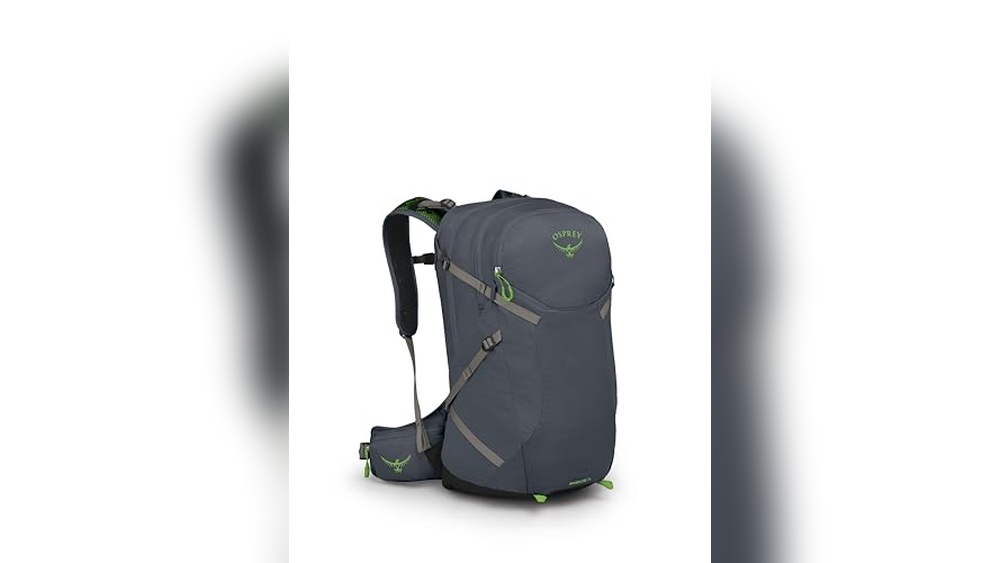
Attaching a mountaineering axe to your backpack requires the right features. A good backpack has special parts to hold your axe safely and firmly. These features keep the axe secure during your climb.
Choosing a backpack with proper attachment options makes carrying your axe easier. It also helps you access the axe quickly when needed.
Loops And Straps
Loops and straps are common on backpacks for axe attachment. They are strong and can hold the axe handle tightly. Many backpacks have adjustable straps to fit different axe sizes.
Look for padded loops that protect the axe and the backpack. Straps with quick-release buckles save time when you need your axe fast. These simple features improve safety and convenience.
Attachment Points
Attachment points are fixed spots designed to hold gear securely. They can be metal rings or sewn-in webbing loops. These points help spread the weight of the axe evenly on your pack.
Some backpacks have special axe holders built into the design. These holders keep the axe blade covered and prevent damage. Proper attachment points reduce noise and movement while hiking.
Basic Attachment Methods
Attaching a mountaineering axe to your backpack is essential for safety and easy access. Basic attachment methods keep your axe secure during your climb. These methods work well for most backpacks and help avoid damage to your gear.
Using Gear Loops
Many backpacks have gear loops designed for tools like axes. Slide the axe handle through the loops carefully. Make sure the axe head points down to avoid injury. Use the loops to hold the axe tightly in place. This method keeps the axe stable and easy to reach.
Strapping With Compression Straps
Compression straps help secure the axe to the side of your backpack. Place the axe along the pack’s frame or side pocket. Tighten the straps around the axe handle firmly. Check the straps to prevent any movement during walking. This method offers a strong hold and quick access to your axe.
Advanced Securing Techniques
Securing a mountaineering axe to your backpack needs more than just basic straps. Advanced techniques offer stronger hold and easy access. These methods reduce movement and protect your gear during tough climbs. Use tools like paracord, cord locks, carabiners, and quick-release systems. Each option helps keep your axe safe and ready for action.
Paracord And Cord Locks
Paracord is a strong, flexible rope ideal for securing your axe. Wrap it tightly around the axe handle and backpack frame. Use cord locks to fasten the paracord without knots. Cord locks allow quick adjustments on the trail. This method keeps the axe stable and easy to remove. Paracord also resists weather and wear, making it reliable.
Carabiner And Quick-release Options
Carabiners offer a fast, secure way to attach your axe. Clip the axe head or handle to a backpack loop or strap. Use a locking carabiner for extra safety. Quick-release systems let you detach the axe in seconds. These setups prevent accidental drops during movement. Carabiners combine convenience with strong holding power.
Safety Tips For Carrying Axes
Carrying a mountaineering axe safely is very important. This tool has sharp edges and can cause injuries if not handled right. Following safety tips can keep you and others safe during your climb.
Properly securing the axe to your backpack prevents accidents. It also protects the axe from damage. Simple steps can make your journey safer and more comfortable.
Preventing Axe Movement
Attach the axe tightly to your backpack using straps or loops. Use a sheath or cover for the blade. This stops the axe from swinging or slipping while walking.
Check the straps often to keep them secure. Avoid placing the axe where it can hit your body or others. A stable position reduces risks during movement.
Protecting Yourself And Others
Always point the axe blade away from your body. Keep the sharp edge covered at all times. This prevents cuts and injuries.
Be aware of people near you when carrying the axe. Avoid sudden movements that might cause the axe to hit someone. Safety starts with careful handling and respect for others.
Maintaining Your Setup
Maintaining your mountaineering axe setup keeps your gear safe and ready. A well-kept setup prevents accidents and helps you move easily on the trail. Regular care also extends the life of your backpack and axe.
Regular Checks
Check your axe straps before every hike. Look for loose buckles or worn parts. Tighten straps to keep the axe secure. Inspect the attachment points for any damage. Replace broken parts quickly to avoid risks.
Adjusting For Comfort
Adjust the straps to fit your body well. Make sure the axe sits close to the backpack. Avoid tight straps that cause pain or cuts. Move the axe slightly if it hits your leg. Comfortable gear means better balance and less fatigue.
Common Mistakes To Avoid
Attaching your mountaineering axe to your backpack seems simple. Yet, many climbers make mistakes that cause trouble on the trail. These errors can lead to lost gear or even accidents. Avoiding common mistakes helps keep your axe secure and easy to reach.
Loose Attachments
Loose attachments are a big problem. If the axe is not tightly fastened, it can move or fall. This can be dangerous on rough terrain. Always use straps or loops that hold the axe firmly. Check the tightness before starting your hike. A secure attachment stops noise and damage to other gear.
Ignoring Backpack Design
Each backpack has a unique design. Ignoring this can cause poor axe placement. Use the built-in loops, straps, or pockets meant for tools. Placing the axe in the wrong spot makes it hard to carry. It can also unbalance your load. Follow the backpack’s design to keep your axe stable and accessible.
Frequently Asked Questions
How Do I Safely Attach A Mountaineering Axe To A Backpack?
Use the dedicated axe loop and secure the handle with straps. Place the axe head downward to avoid injury. Tighten all straps firmly to prevent movement during hiking.
What Is The Best Position For An Axe On A Backpack?
Attach the axe vertically on the side or front of your backpack. Keep the blade facing away from your body for safety. Ensure the axe is stable and won’t swing while walking.
Can I Use Regular Backpack Straps To Hold My Mountaineering Axe?
Regular straps may not be secure enough. Use specialized axe loops or attachment points designed for tools. This ensures better stability and reduces the risk of damage or injury.
Should The Axe Blade Be Covered When Attached To A Backpack?
Yes, always cover the blade with a sheath or protective cover. This prevents accidental cuts and protects the blade from damage. Safety is crucial during transport and hiking.
Conclusion
Attaching a mountaineering axe to your backpack keeps it safe and easy to reach. Use sturdy straps or loops to hold the axe firmly. Place the sharp edge away from your body for safety. Check the attachment before you start your hike.
This simple step helps avoid accidents and makes your climb smoother. Practice a few times to find what works best. Stay prepared and enjoy your outdoor adventure with confidence.