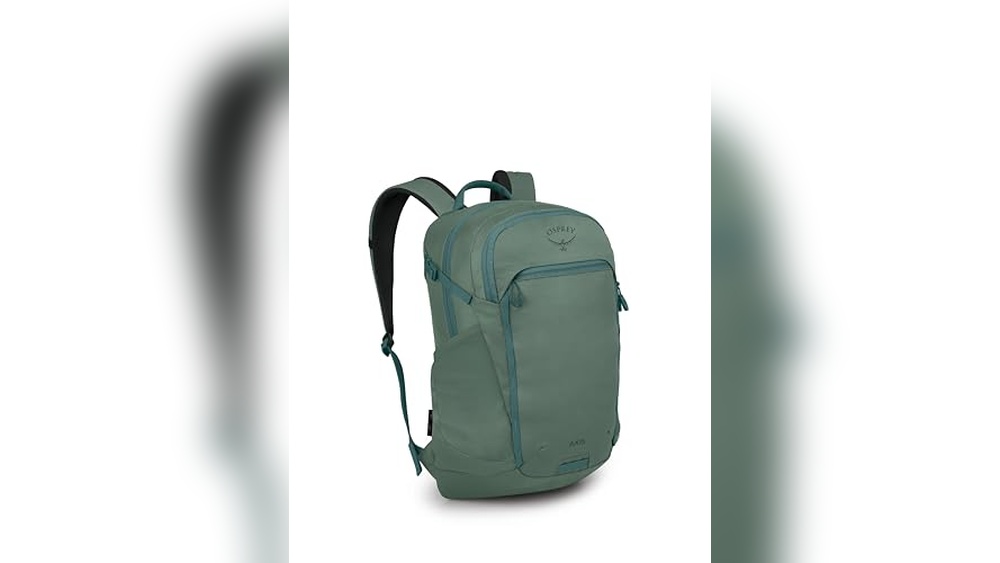
Are you wondering how much backpack you really need for a week-long trip? Packing the right amount can make your journey easier, more comfortable, and stress-free.
Too heavy, and you’ll struggle to carry it all day. Too light, and you might miss out on essentials. This article will help you find the perfect balance, so you can travel smart and enjoy every moment without worrying about your load.
Keep reading to discover simple tips that will change the way you pack forever.
Choosing The Right Backpack
Choosing the right backpack is key for any trip. The right size and features make your journey easier. It helps carry your stuff without pain or hassle. Picking a backpack that fits your needs saves time and energy.
Backpack Sizes Explained
Backpacks come in many sizes. Small backpacks hold 20-30 liters. They fit daily use or short trips. Medium backpacks hold 30-50 liters. Good for 2-4 days of travel. Large backpacks hold 50 liters or more. Designed for long trips or heavy gear.
Pick size based on trip length and what you carry. Don’t choose too big or too small.
Features To Look For
Look for padded shoulder straps. They reduce pressure on your shoulders. A padded back panel adds comfort. Multiple compartments help organize gear. Water-resistant fabric protects your stuff. Adjustable straps allow a better fit. A hip belt helps carry heavy loads.
Good zippers and strong stitching increase durability. Ventilation helps keep your back cool.
Balancing Weight And Comfort
Heavy backpacks cause fatigue and back pain. Pack only what you need. Distribute weight evenly inside the bag. Use compression straps to reduce bulk. Adjust shoulder and hip straps for comfort. Take breaks to rest your back.
A comfortable backpack lets you move freely and enjoy your trip.
Packing Essentials For A Week
Packing for a week can be simple with the right essentials. The key is to bring what you need without overpacking. Focus on items that serve multiple purposes. This helps keep your backpack light and easy to carry.
Choosing the right clothes, toiletries, and gadgets makes a big difference. Each category plays a role in comfort and convenience during your trip. Let’s explore what to pack for a week to stay prepared and organized.
Clothing Choices
Pick clothes that suit the weather and activities planned. Bring layers to adjust to changing temperatures. Choose lightweight, quick-dry fabrics for comfort. Pack enough underwear and socks for the week. Include one or two versatile outfits for different occasions. A jacket or sweater is useful for cooler evenings. Avoid bulky items that take too much space.
Toiletries And Personal Items
Carry travel-sized toiletries to save space. Essentials include toothbrush, toothpaste, and soap. Use a small container for shampoo and conditioner. Add deodorant and any skincare products you need. Pack a razor and small first-aid kit. Keep medications in a labeled bag. A compact towel can be handy too.
Tech And Gadgets
Bring only the tech you really need. A smartphone and charger are must-haves. Consider a power bank for extra battery life. Earphones or headphones help during travel. A camera is optional but great for memories. Avoid heavy or multiple devices to save weight. Keep all cords organized to avoid tangles.
Smart Packing Techniques
Packing smart saves space and keeps your bag light. It helps you carry only what you need. Use simple techniques to fit more without bulk.
Organize clothes and items well to avoid messy bags. Smart packing lets you find things quickly. It makes travel easier and less stressful.
Rolling Vs Folding Clothes
Rolling clothes reduces wrinkles and saves space. It fits better in tight spots than folding. Rolling works best for t-shirts, pants, and light fabrics.
Folding is good for thick or stiff clothes. It keeps them neat and flat. Combine rolling and folding for best results.
Using Packing Cubes
Packing cubes keep clothes and gear in order. They separate types of clothes for easy access. Cubes compress items to save space.
Use different sizes for small and large items. Cubes make unpacking faster. They protect clothes from dirt and damage.
Maximizing Space
Fill shoes with socks or small items. Use every corner of your bag. Wear bulky clothes while traveling to save room.
Keep heavy items near your back for balance. Use compression bags for bulky clothes. Avoid packing extra items you won’t use.
Weight Management Tips
Managing the weight of your backpack is key for a comfortable week of travel or hiking. A heavy pack can cause pain and slow you down. Use simple tips to keep your load light and balanced. This will help you enjoy your trip more and avoid injuries.
Focus on what you carry and how you carry it. Small changes can make a big difference in how your backpack feels on your shoulders and back.
Weighing Your Backpack
Start by weighing your backpack before each trip. Use a small scale or a luggage scale. This shows how much you are carrying. Keep track of the weight to avoid adding too much. Try to stay within 20-25% of your body weight for comfort.
Reducing Excess Items
Only pack what you really need. Check your list and remove duplicate or heavy items. Choose lightweight gear and clothes. Leave behind things that are not essential. Every small item you remove makes your backpack lighter and easier to carry.
Distributing Weight Evenly
Place heavy items close to your back and in the middle. Spread weight evenly from side to side. Pack lighter items at the top and edges. This balance helps keep your center of gravity stable. It reduces strain and makes walking easier.
Adjusting For Different Trips
Adjusting your backpack size depends on the type of trip you take. Different trips need different gear and clothes. Packing smart helps you carry only what is necessary. This reduces weight and makes travel easier.
Urban Travel Packing
City trips need less bulky items. Carry lightweight clothes and comfortable shoes. A 30-40 liter backpack usually works well. Include a small daypack for daily use. Keep electronics and documents organized and safe.
Outdoor Adventures
Outdoor trips require more gear. Think about weather, activities, and safety tools. A 50-70 liter backpack often fits hiking or camping needs. Pack layers, rain gear, and enough food. Balance weight to avoid strain on your back.
Business Vs Leisure
Business trips need neat clothes and gadgets. A smaller 30-40 liter backpack is enough for suits and laptops. Leisure trips allow casual clothes and extras. You might want a bigger pack for souvenirs and comfort items.
Maintaining Your Backpack
Maintaining your backpack ensures it lasts longer and stays in good shape. Proper care helps avoid damage and keeps the bag clean. Small efforts can save money and time on replacements.
Cleaning And Care
Remove all items before cleaning. Use a soft brush to remove dirt. Wash with mild soap and warm water. Avoid harsh chemicals that damage fabric. Let the backpack air dry fully before use. Clean regularly to prevent stains and odors.
Repair And Maintenance
Check zippers, straps, and seams often. Fix small tears quickly with sewing kits or patches. Replace broken buckles or worn straps. Tighten loose threads to stop fraying. Regular repairs keep the backpack strong and safe.
Storage Tips
Store your backpack in a dry place. Avoid direct sunlight to prevent fading. Keep it empty to maintain its shape. Use a breathable bag for long-term storage. Proper storage prevents mold, mildew, and damage.
Frequently Asked Questions
How Much Backpack Weight Is Ideal Per Week?
An ideal backpack weight per week depends on your body strength. Experts recommend carrying no more than 20-25% of your body weight. This helps avoid strain and injury. Adjust based on your fitness and trip duration.
What Factors Affect Weekly Backpack Weight Limits?
Factors like hiking intensity, terrain, and personal fitness affect weight limits. Also consider weather and trip length. Lighter gear reduces fatigue. Pack essentials only for safer, comfortable travel.
How To Pack A Backpack For A Week Trip?
Prioritize lightweight, multipurpose items when packing. Distribute weight evenly and use compression bags. Keep heavy items close to your back. This improves balance and reduces fatigue during long walks.
Can Carrying Too Much Backpack Weight Cause Injuries?
Yes, carrying excessive backpack weight can cause back, shoulder, and neck pain. It may also lead to poor posture and muscle strain. Always stick to recommended weight limits for safety.
Conclusion
Packing the right backpack weight helps your body stay strong and comfortable. Carrying too much can cause pain and slow you down. Choose items you really need and keep your load light. Remember, a lighter backpack makes your week easier and more fun.
Plan carefully, pack smart, and enjoy your trips without extra strain. Small changes make a big difference in how you feel each day. Keep your backpack weight balanced for a better travel experience.