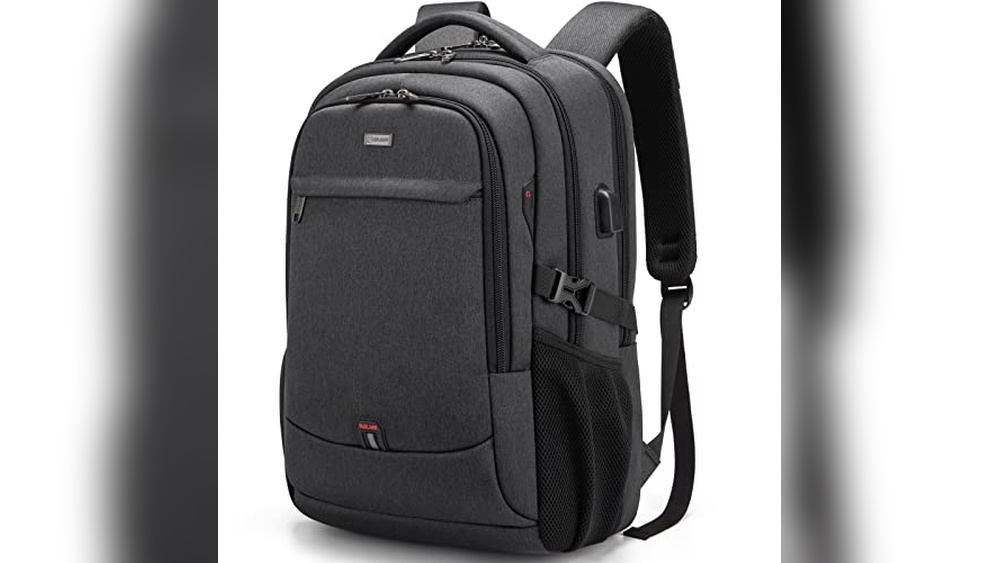
How often do you really need to buy a new backpack? You might think it’s something you only replace when it breaks, but the truth is, your backpack’s lifespan depends on more than just wear and tear.
Choosing the right time to upgrade can save you money, keep your belongings safe, and even improve your comfort every day. You’ll discover clear signs that tell you when it’s time for a new backpack and how to make the best choice for your needs.
Keep reading—you’ll never look at your backpack the same way again.
Signs You Need A New Backpack
Knowing when to replace a backpack is important. A worn-out backpack can cause discomfort and fail to protect your items. Watch for clear signs that it is time for a new one. These signs help avoid unexpected problems during daily use.
Visible Wear And Tear
Look closely at the fabric. Frays, holes, or thinning material show the backpack is aging. Stains that do not come out also suggest it is time for a new bag. A backpack with visible damage cannot protect your belongings well.
Compromised Comfort
Backpacks should feel comfortable on your shoulders and back. If straps dig in or padding wears thin, discomfort will grow. A backpack that causes pain or strain should be replaced quickly. Comfort is key for long use.
Damaged Zippers And Straps
Zippers and straps are essential for securing your items. Broken zippers or torn straps weaken the backpack’s function. A zipper that gets stuck or breaks can cause loss of items. Replace the backpack if repairs cannot fix these issues.
Loss Of Functionality
Backpacks have pockets and features for organization. If compartments tear or closures fail, the bag loses its usefulness. A backpack that cannot hold or protect your things well is no longer reliable. Choose a new backpack to ensure your needs are met.
Factors Affecting Backpack Lifespan
The lifespan of a backpack depends on several important factors. These elements influence how long your backpack stays useful and in good condition. Understanding these factors can help you decide when to replace your backpack.
Material Quality
The type of material used affects the backpack’s durability. Strong fabrics like nylon and polyester last longer. Cheap materials wear out faster and tear easily. High-quality zippers and stitching also improve lifespan.
Frequency Of Use
Backpacks used daily show signs of wear sooner. Occasional use means less stress on the fabric and parts. Frequent use requires more care to keep the backpack in good shape.
Type Of Activities
Backpacks used for hiking or heavy loads wear faster. Rough outdoor activities cause more damage. Light use for school or work means less strain and longer life.
Maintenance Habits
Cleaning and proper storage extend backpack life. Removing dirt and drying the backpack prevents damage. Ignoring small tears or broken zippers can shorten its use.
Typical Backpack Lifespan By Use
Backpacks serve different purposes for different people. Their lifespan depends on how often and hard they are used. Knowing the typical lifespan helps plan when to buy a new one. Quality, material, and care also affect how long a backpack lasts.
Everyday Commute
Backpacks used daily for commuting usually last about 1 to 3 years. The constant use and exposure to weather wear down zippers and straps. Light loads and gentle care can extend their life. Rough handling or heavy loads shorten lifespan.
Outdoor Adventures
Backpacks for outdoor activities last around 3 to 5 years. They face rough terrain, rain, and sun often. Durable materials help them survive longer. Regular cleaning and repairs keep them in good shape. Extreme use can reduce their lifespan.
Travel And Hiking
Travel and hiking backpacks last about 4 to 6 years. They carry heavy loads and face varied conditions. High-quality fabrics and strong stitching add years. Packing and unpacking carefully prevent damage. Worn-out parts may need timely replacement.
School And Work
School and work backpacks can last 2 to 4 years. Daily use and heavy books cause wear and tear. Simple designs with sturdy materials last longer. Keeping the backpack clean and dry helps. Frequent repairs extend their usability.
Extending Backpack Durability
Extending the life of your backpack saves money and reduces waste. A well-cared-for backpack can last many years. Small habits make a big difference in durability. Proper cleaning, smart storage, and quick repairs help keep it strong.
Proper Cleaning Techniques
Remove all items before cleaning your backpack. Use a soft brush or cloth to remove dirt. Wash with mild soap and lukewarm water. Avoid harsh detergents that can damage fabric. Let it air dry completely before use. Never put backpacks in a dryer or direct sunlight.
Storage Tips
Store your backpack in a cool, dry place. Avoid damp areas to prevent mold and mildew. Keep it upright or hang it to keep shape. Do not overstuff or compress tightly. Use breathable bags for long-term storage. Proper storage keeps materials from weakening.
Repairing Minor Damages
Check for tears, loose seams, or broken zippers regularly. Use fabric glue or patches for small holes. Sew loose seams with strong thread quickly. Replace broken zippers or buckles to keep function. Repairing minor issues prevents bigger damage later. Simple fixes extend your backpack’s life.
Choosing The Right Backpack For Longevity
Choosing the right backpack for longevity saves money and effort. A good backpack lasts for years and handles daily use well. Selecting the best one means thinking about material, design, brand, and price. These factors help find a backpack that stays strong and comfortable over time.
Material Choices
Durable materials make a backpack last longer. Look for nylon or polyester with high denier counts. These fabrics resist tears and wear. Water-resistant coatings protect contents from rain. Strong zippers and reinforced seams add to durability. Avoid thin or cheap materials that break easily.
Design Features
Simple designs often last longer than complex ones. Fewer pockets and zippers mean fewer parts to fail. Padded straps reduce shoulder strain and last through use. Extra padding protects your belongings. Ventilated backs keep you comfortable. Adjustable straps ensure a better fit and less wear.
Brand Reputation
Brands known for quality usually make backpacks that last. Check reviews and ratings from other buyers. Trusted brands use better materials and craftsmanship. They offer warranties or repairs. A good brand means fewer surprises and longer backpack life.
Budget Considerations
Higher price often means better quality and longer life. Cheap backpacks may save money at first but wear out fast. Balance budget and quality to get good value. Think of your backpack as an investment in comfort and durability.
Frequently Asked Questions
How Often Should I Replace My Backpack?
Most people replace backpacks every 1 to 3 years. Frequent use or heavy loads may require earlier replacement. Inspect for wear and tear regularly to decide the right time.
What Signs Indicate A Backpack Needs Replacement?
Look for broken zippers, torn fabric, or worn straps. If comfort and functionality decline, it’s time to buy a new backpack. These issues affect durability and usability.
Can Backpack Material Affect Replacement Frequency?
Yes, durable materials like nylon last longer than cheaper fabrics. High-quality backpacks often last several years, while low-quality ones wear out faster. Material quality impacts how often you need to replace your backpack.
Does Backpack Usage Affect How Often To Buy New Ones?
Yes, daily use or carrying heavy items shortens backpack lifespan. Occasional users may keep backpacks for many years. Usage intensity directly influences replacement frequency.
Conclusion
Choosing the right time to buy a new backpack depends on use and wear. Check your backpack often for tears, broken zippers, or weak straps. If it feels uncomfortable or can’t carry your items well, it might be time to replace it.
Quality backpacks can last years with proper care. Think about how often you use it and what you carry daily. A fresh backpack can make your day easier and more organized. Keep these tips in mind to know when to shop for a new one.
Simple care helps you get the most from your backpack.