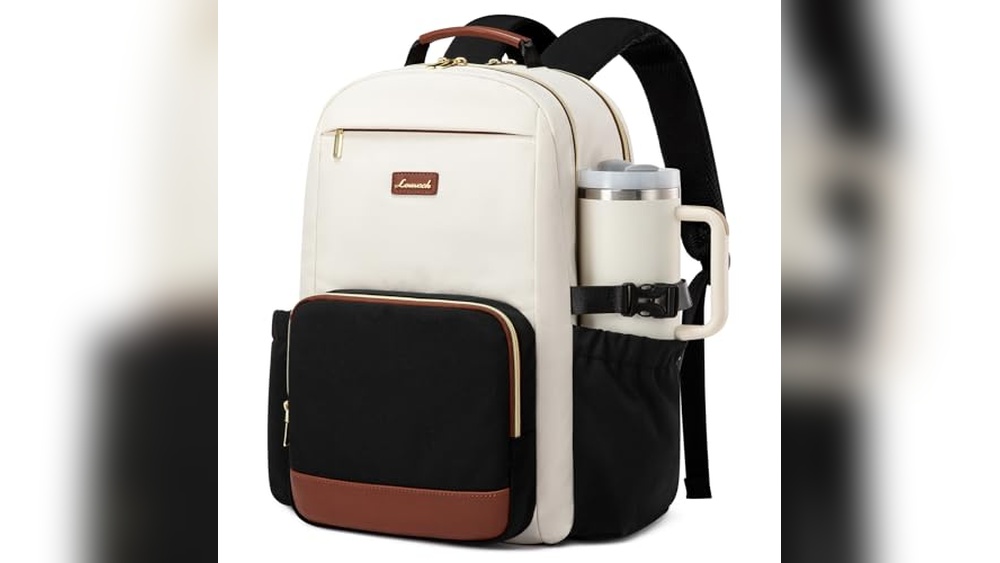
Packing for a backpacking trip can be tricky. You want to bring enough clothes to stay comfortable, but not so much that your bag feels like a burden.
How much clothes should you really take? Getting this right can make your trip easier, lighter, and more enjoyable. You’ll discover simple tips to help you pack smart and travel hassle-free. Keep reading, and learn how to find the perfect balance for your backpacking wardrobe.
Choosing Clothes For Backpacking
Choosing the right clothes for backpacking is key to a comfortable trip. Packing too many items can weigh you down. Too few clothes might leave you unprepared. Focus on smart choices that balance comfort and weight.
Consider The Climate
Check the weather where you will travel. Warm places need light clothes that breathe well. Cold spots require layers to keep you warm. Rainy areas call for waterproof gear. Match your clothes to the conditions you expect.
Select Versatile Pieces
Pick clothes that work for many situations. Pants that turn into shorts save space. Shirts that dry fast are great for travel. Choose neutral colors that mix and match easily. One outfit can serve for hiking and resting.
Prioritize Lightweight Fabrics
Heavy fabrics add unnecessary weight. Thin materials dry quicker and pack smaller. Look for synthetic or merino wool fabrics. These keep you comfortable in many temperatures. Light clothes mean you can carry more essentials.
Essentials For Different Weather
Choosing the right clothes for backpacking depends on the weather you expect. Each weather type needs different clothing to keep you comfortable and safe. Packing smart saves space and weight in your backpack.
Warm Weather Clothing
Pick light and breathable clothes for warm weather. Cotton or moisture-wicking shirts work well. Shorts or lightweight pants help keep you cool. A hat protects your head from the sun. Bring sunglasses and sunscreen to avoid sunburn. Carry a few pairs of socks to keep feet dry.
Cold Weather Layers
Layering is key in cold weather. Start with a base layer that fits close to your skin. Add an insulating layer like fleece or wool for warmth. Top it with a shell layer to block wind and snow. Gloves and a warm hat help retain heat. Carry extra socks to keep your feet warm and dry.
Rain And Wind Protection
Waterproof gear is a must for rain and wind. A rain jacket with a hood keeps you dry. Waterproof pants protect your legs. Use a pack cover to keep your backpack dry. Windproof jackets help block cold gusts. Quick-dry clothes are best to avoid staying wet for long.
Quantity Guidelines
Packing the right amount of clothes saves space and weight. Bringing too many clothes can make your backpack heavy. Too few clothes may leave you unprepared for changes in weather. Follow these simple quantity guidelines to balance comfort and lightness.
Tops And Shirts
Pack two to three tops for every week of your trip. Choose quick-dry materials that you can wash and wear again. One long-sleeve shirt helps protect against sun and bugs. A lightweight jacket or fleece is useful for cold nights.
Bottoms And Shorts
Bring one or two pairs of pants or shorts for each week. Convertible pants work well for different weather. Pick durable fabrics that dry fast. Avoid heavy jeans that take long to dry and add weight.
Underwear And Socks
Carry enough underwear for each day of your trip. Lightweight and quick-drying underwear is best. Pack two to three pairs of socks, focusing on moisture-wicking types. Clean socks keep your feet healthy and comfortable.
Specialty Items To Include
Packing for a backpacking trip means thinking beyond basics. Specialty items make your journey more comfortable and fun. These pieces suit specific activities or needs. They do not take much space but add great value.
Sleepwear
Comfort matters after a long day of walking. Choose lightweight, soft sleepwear that dries quickly. Avoid bulky pajamas; opt for simple T-shirts and shorts. Breathable fabrics help you stay cool at night. A clean set of sleepwear improves rest and hygiene.
Swimwear
Swimwear comes in handy for lakes, rivers, or pools. Pick a compact swimsuit that dries fast. Avoid heavy or multiple swimsuits to save space. A quick-dry towel also fits well with swim gear. This gear lets you enjoy water spots without extra bulk.
Accessories And Extras
Small accessories can make a big difference. Bring a hat for sun protection. Sunglasses shield your eyes from harsh sunlight. A lightweight scarf or buff protects against dust and cold. Don’t forget a pair of gloves for cold nights. These extras improve comfort and safety without weight.
Packing Tips To Save Space
Packing light and saving space are key for any backpacker. Every inch in your bag counts. Smart packing helps you carry what you really need without extra weight. Use these simple tips to fit more clothes in your backpack.
Rolling Vs Folding
Rolling clothes saves more space than folding. It reduces wrinkles and fits better in tight spots. Roll t-shirts, pants, and light jackets tightly. Use small bundles to fill gaps around bigger items. Folding works best for stiff or thick clothes like sweaters.
Using Compression Bags
Compression bags shrink bulky clothes by squeezing out air. They work great for jackets and sleeping bags. Put clothes inside, seal the bag, and press out air. This method cuts volume and keeps items dry. Choose reusable bags for eco-friendly packing.
Layering For Efficiency
Layer clothes instead of packing many thick items. Thin layers trap heat and dry faster. Pack base layers, mid-layers, and a light outer layer. This approach saves space and adapts to weather changes. Use clothes that can mix and match easily.
Laundry Options On The Trail
Backpacking means carrying only what you need. Laundry on the trail helps you pack light. Knowing your laundry options lets you bring fewer clothes. You save space and weight in your backpack.
Hand Washing Clothes
Hand washing is the most common laundry method on trails. Use a small bottle of soap or detergent. Fill a water container and scrub clothes gently. Rinse well to remove all soap. Hang clothes on a line or branch to dry. This method works anywhere and saves money.
Using Laundry Services
Many towns and hostels offer laundry services. You can drop off dirty clothes and pick them up clean. This option saves time and effort. Services usually charge a small fee. Planning your route near towns helps find laundry spots. It allows you to carry fewer clothes for longer trips.
Quick-dry Fabrics Benefits
Quick-dry fabrics dry much faster than cotton. They reduce drying time after washing. These clothes weigh less and take less space. Wearing quick-dry clothes keeps you comfortable on the trail. They are easy to clean with hand washing. Quick-dry fabrics make laundry easier and faster.
Adjusting For Trip Length
Planning how much clothing to pack depends a lot on the trip length. The number of days affects what and how many clothes you need. Short trips require less gear, while longer ones mean careful planning to stay comfortable and clean. Think about washing options and weather changes too. Adjust your clothing list to fit the days and conditions ahead.
Short Trips
For short trips, pack light and simple. Two to three shirts and one pair of pants usually work. Bring a warm layer for cooler nights. One set of underwear per day is enough. You can wear the same clothes more than once if they stay clean. Avoid heavy items that add weight for just a day or two.
Extended Adventures
Longer trips need more clothing or laundry plans. Pack extra shirts and underwear to stay fresh. Choose quick-dry fabrics to wash and dry clothes on the trail. Bring layers to handle changing weather. Add a rain jacket and warm clothes for cold nights. Think about how often you can clean clothes during the trip.
Emergency Clothing Considerations
Always carry a few extra clothes for emergencies. A spare shirt and socks can save your day. Include a lightweight jacket in case of sudden weather changes. Emergency clothes help avoid discomfort or illness. Pack these items in an easy-to-reach spot in your backpack.
Frequently Asked Questions
How Many Clothes Should I Pack For A Week-long Backpacking Trip?
Pack lightweight, quick-dry clothes for 5-7 days. Include 2-3 shirts, 2 pairs of pants, and 3 pairs of underwear. Layering items help adapt to weather. Avoid overpacking to keep your backpack light and manageable.
What Types Of Clothes Are Best For Backpacking?
Choose moisture-wicking, breathable, and quick-drying fabrics like merino wool or synthetic blends. Avoid cotton, as it retains moisture. Bring versatile pieces that can be layered and mixed easily. This ensures comfort and adaptability in changing weather conditions.
Can I Wash Clothes While Backpacking?
Yes, washing clothes during backpacking is common and recommended. Use biodegradable soap and wash in streams or sinks where allowed. Dry clothes overnight to avoid odor and discomfort. This practice reduces the amount of clothes you need to carry.
How To Choose Clothes Based On Backpacking Destination?
Consider climate and weather of your destination. For cold areas, pack thermal layers and waterproof gear. For tropical regions, bring lightweight, breathable clothes and sun protection. Research local conditions to pack efficiently and stay comfortable throughout your trip.
Conclusion
Packing clothes for backpacking needs balance and care. Choose light, quick-dry items that fit your trip length. Limit what you bring to save space and weight. Think about layering for different weather conditions. Don’t forget comfort and versatility in your clothing choices.
Plan to wash clothes during longer trips. This way, you carry less and stay fresh. Keep your backpack light for easier travel. Smart packing helps you enjoy your adventure more. Simple and practical choices work best every time.