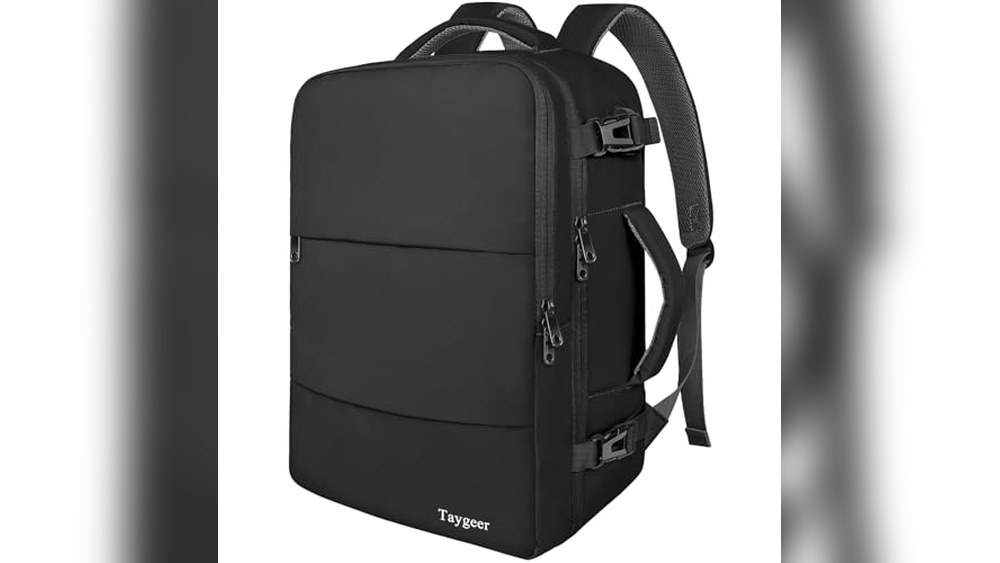
Have you ever felt your school backpack dragging you down by the end of the day? You might be carrying more weight than your body can handle without even realizing it.
Knowing how heavy your backpack should be is crucial—not just for comfort, but for your health. If you want to avoid back pain, improve your posture, and make your school days easier, keep reading. This article will help you understand the ideal weight for your backpack and share simple tips to lighten your load without missing out on what you need.
Your back will thank you!
Ideal Backpack Weight
Choosing the right backpack weight is important for children’s health. Too heavy backpacks can cause back pain and posture problems. Finding the ideal weight helps keep kids comfortable and safe during school days.
Recommended Weight Limits
Experts say a backpack should weigh no more than 10 to 15 percent of a child’s body weight. For example, a child weighing 60 pounds should carry no more than 6 to 9 pounds. Staying within these limits reduces the risk of injury and strain.
Factors Influencing Weight
Several factors affect the ideal backpack weight. Age and size of the child matter a lot. Younger children need lighter loads. The length of the school day also plays a role. Longer days may require more supplies, increasing weight. Proper backpack design and how the load is packed also impact comfort and safety.
Health Risks Of Heavy Backpacks
Heavy backpacks can cause serious health problems for students. Carrying too much weight strains the body in many ways. It is important to understand these risks to protect young backs and muscles.
Impact On Posture
Heavy backpacks make students lean forward or to one side. This poor posture can lead to spine misalignment. Over time, bad posture may become a permanent problem. It also makes standing and walking uncomfortable.
Muscle Strain And Pain
Carrying a heavy load stresses the shoulder and back muscles. Students may feel soreness or sharp pain after school. The neck and lower back often suffer the most. Muscle strain can limit daily activities and cause fatigue.
Long-term Effects
Continuous use of heavy backpacks can cause lasting damage. It may lead to chronic back problems or spinal issues. Growth in children can be affected by constant strain. Early care is necessary to avoid serious health problems later.
Choosing The Right Backpack
Choosing the right backpack helps protect a child’s back. A good backpack fits well and supports the load. It makes carrying books and supplies easier. Parents should know what features to check.
Focus on design, material, size, and compartments. These factors affect comfort and durability. A proper backpack helps keep the weight balanced and light.
Backpack Design Features
Look for padded shoulder straps to reduce pressure. Wide straps spread the weight across shoulders. A padded back panel adds comfort and support. Chest and waist straps help keep the backpack stable. Choose a design that fits the child’s height and body shape.
Material And Durability
Strong materials resist tears and wear. Nylon and polyester are common choices. Water-resistant fabric protects books on rainy days. Check for quality zippers that last long. Durable backpacks save money and avoid frequent replacements.
Size And Compartments
Pick a size that matches the child’s frame. A backpack too big can cause strain. Multiple compartments keep items organized and easy to find. Separate sections for books, lunch, and small tools help distribute weight. Avoid backpacks that look bulky or heavy empty.
Packing Tips To Reduce Weight
Reducing the weight of a school backpack helps protect a child’s back and shoulders. Smart packing makes carrying books and supplies easier. Small changes lead to big comfort during the school day.
Try these simple tips to pack lighter and carry less weight every day.
Prioritizing Essentials
Choose only what is needed for the day. Avoid packing extra books or supplies. Check the school schedule before packing to know which items to bring. Keep snacks and water light and healthy. Carry just one pencil case with necessary tools. This cuts down heavy, unnecessary items in the bag.
Using Locker And Digital Resources
Store books and materials in the locker. Use the locker to swap heavy books between classes. Use digital textbooks on tablets or laptops to reduce paper weight. Download homework and study materials online. This way, backpacks stay lighter and less bulky.
Organizing For Balance
Distribute weight evenly in the backpack. Place heavy items closer to the back. Use compartments to separate items and avoid shifting. Pack heavier books at the bottom and lighter ones on top. Balance prevents strain and improves posture. A well-organized backpack feels lighter to carry.
Proper Wearing Techniques
Wearing a school backpack correctly helps reduce strain on the body. Proper techniques protect the back and shoulders. It also makes carrying heavy loads easier and safer.
Adjusting Straps Correctly
Start by tightening the shoulder straps evenly. Straps should be snug but not tight. Avoid letting the backpack hang too low. The bottom should rest near the lower back. Proper strap length keeps the backpack stable.
Using Both Shoulder Straps
Always use both shoulder straps to balance weight. Carrying the backpack on one shoulder causes muscle strain. Using both straps spreads the load evenly. This helps prevent pain and injury.
Positioning On The Back
Place the backpack close to the body. Keep it centered between the shoulders. Avoid leaning forward to counterbalance the bag. Positioning the backpack properly supports good posture. It reduces stress on the spine and muscles.
Alternative Carrying Options
Heavy backpacks can cause pain and tiredness. Alternative carrying options help reduce this problem. These options make carrying school materials easier and safer. Students can try different methods to find what works best.
Rolling Backpacks
Rolling backpacks have wheels and a handle. Students pull them instead of carrying on their backs. This reduces strain on shoulders and backs. They are good for heavy books and long walks. Rolling backpacks are easy to use and save energy.
Locker Usage
Using lockers helps lighten backpacks during the day. Students can store books and supplies there. They only carry what they need for each class. This lowers the weight on their backs. Lockers keep items safe and organized too.
Digital Textbooks
Digital textbooks reduce the need for heavy books. Students read materials on tablets or laptops. This cuts down backpack weight significantly. Digital books are easy to carry and update. They also help keep school bags light and neat.
Frequently Asked Questions
How Heavy Should A School Backpack Be For Kids?
A school backpack should weigh no more than 10-15% of a child’s body weight. This prevents strain and injury. For example, if a child weighs 70 pounds, the backpack should not exceed 7-10. 5 pounds. Always pack only essentials to keep the weight manageable.
Why Is Backpack Weight Important For Children’s Health?
Heavy backpacks can cause back pain, posture issues, and muscle strain in children. Carrying excessive weight stresses the spine and muscles. Proper weight helps maintain good posture and prevents long-term health problems. It’s vital to monitor backpack weight regularly.
What Are Tips To Reduce School Backpack Weight?
To reduce backpack weight, remove unnecessary items daily. Use lightweight materials and organize supplies efficiently. Consider digital textbooks to lower paper load. Distribute weight evenly using padded straps. Regularly clean and declutter the backpack for optimal weight management.
Can Backpacks Heavier Than Recommended Cause Long-term Damage?
Yes, carrying backpacks heavier than recommended can lead to chronic back pain and spinal problems. It may affect posture and cause muscle imbalances. Over time, this can result in serious musculoskeletal issues. Maintaining appropriate backpack weight is essential for long-term health.
Conclusion
A school backpack should not weigh too much. Keep it under 10-15% of a child’s body weight. Heavy bags can cause pain and posture problems. Choose a backpack with wide straps and good support. Pack only what is necessary for the day.
Regularly check the backpack’s weight. Healthy habits help children avoid injuries. Light backpacks make school days easier and safer. Always think about comfort and health when packing. Small changes can protect your child’s back.