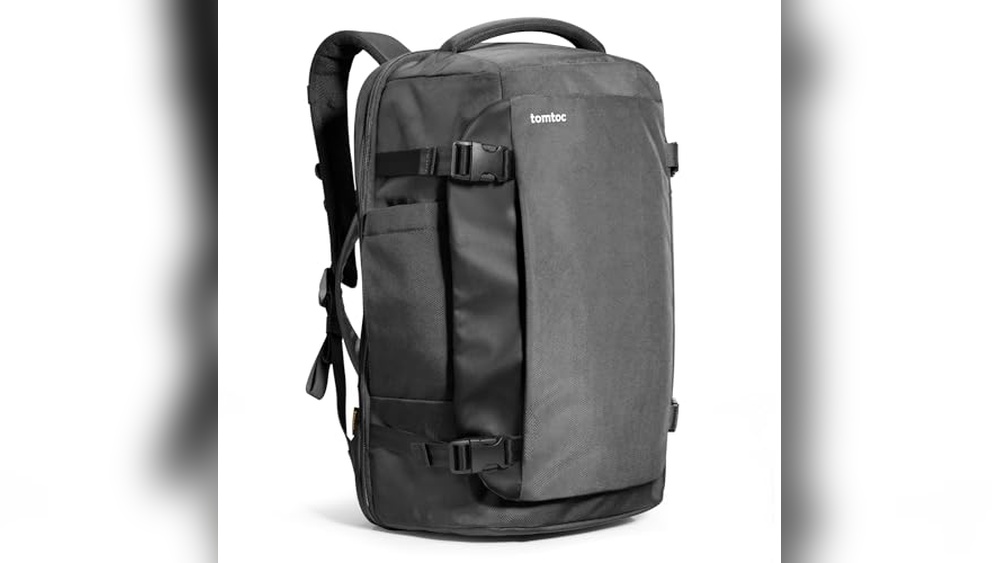
You love capturing every moment of your backpacking adventure, but what happens when your camera battery dies miles away from the nearest power outlet? Running out of juice can mean missing that perfect shot or losing hours of unforgettable memories.
Don’t let a dead battery stop your creativity or your journey. You’ll discover simple, practical ways to keep your camera charged while on the trail—without carrying heavy gear or hunting for plugs. Keep reading to learn how to power up your camera battery anytime, anywhere, so you never miss a moment.
Choosing The Right Battery
Choosing the right battery is key for backpacking photographers. It affects how long you can shoot and how much weight you carry. Picking the best battery saves time and stress during your trip.
Types Of Camera Batteries
Cameras use different batteries: lithium-ion, nickel-metal hydride, and others. Lithium-ion batteries last longer and weigh less. Some older models use AA or AAA batteries. Check your camera’s manual for the right type.
Battery Capacity Vs Weight
Battery capacity means how much power it holds. Higher capacity gives more shooting time. But bigger capacity often means heavier weight. Balance capacity and weight to avoid carrying too much.
Spare Batteries Vs Power Banks
Carrying spare batteries is simple and reliable. Swap batteries quickly when one dies. Power banks can recharge batteries or cameras on the go. They add extra weight but offer flexible charging options. Choose what fits your style best.
Portable Charging Options
Carrying extra power for your camera is key while backpacking. Portable charging options keep your battery ready anywhere. They are small and light. Perfect for outdoor trips. Choose one that fits your style and needs.
These options use different ways to charge. Some use the sun, some store power, and others use your own energy. Each type has benefits to help you capture great photos.
Solar Chargers For Backpacking
Solar chargers use sunlight to charge your camera battery. They are lightweight and easy to carry. Just place them under the sun during breaks. Sunlight turns into power through small solar panels.
Solar chargers work best in sunny places. They save space and do not need extra power. They can charge batteries slowly but steadily. Great for long hikes with lots of sun.
Compact Power Banks
Compact power banks store electric power for later use. They are small and fit in your backpack easily. Charge them fully before your trip. Then use the stored power to charge your camera anytime.
Power banks give quick and reliable charging. They work well at night or on cloudy days. Choose one with enough capacity to charge your camera several times. They are simple and handy for all trips.
Hand Crank Chargers
Hand crank chargers generate power with your own effort. Turn the crank to create energy for your camera. No need for sun or electricity. Just use your hands to charge.
These chargers are useful in emergencies. They are small and light to carry. Good for short charges or when other options fail. Keep one in your pack for peace of mind.
Charging Strategies On The Trail
Charging your camera battery while backpacking can be tricky. You need smart strategies to keep your camera ready. Managing power well helps you capture every moment on the trail. Use these charging tips to extend your battery life and stay prepared.
Optimizing Charging Times
Charge your camera battery during breaks or rest stops. Short, frequent charges work better than long, rare ones. Use a portable power bank with enough capacity for multiple charges. Avoid fully draining the battery before recharging. Keep your battery warm to improve charging speed and efficiency.
Charging While Hiking
Use solar chargers attached to your backpack for charging on the move. Place solar panels in direct sunlight for best results. Carry lightweight, foldable solar panels that do not add much weight. Connect your camera or power bank to solar panels during sunny hikes. Monitor power levels often to avoid running out.
Using Campsites And Lodges
Take advantage of electricity at campsites or lodges. Charge your camera battery overnight whenever possible. Use this time to recharge all your devices fully. Keep your charger and cables organized for quick access. Always carry a backup battery to use while the main one charges.
Battery Care And Maintenance
Taking care of your camera battery helps it last longer during backpacking trips. Proper maintenance keeps the battery working well and ready for use. Simple steps can protect your battery from damage and reduce the need for frequent replacements.
Proper Storage Techniques
Store batteries in a cool, dry place. Avoid keeping them in places with high humidity. Remove batteries from the camera if you won’t use it for a long time. Use a battery case or pouch to protect them from dust and damage. Keep contacts clean by wiping gently with a dry cloth.
Temperature Effects
Extreme heat or cold harms battery life. High temperatures cause batteries to lose power quickly. Cold weather reduces battery capacity and shortens use time. Carry batteries in an inside pocket to keep them warm. Let cold batteries warm up before using to get better performance.
Avoiding Battery Drain
Turn off your camera when not in use. Disable features like Wi-Fi or GPS to save power. Avoid leaving the LCD screen on for long periods. Charge batteries fully before the trip. Carry a spare battery to avoid running out of power during shots.
Backup Power Planning
Backup power planning is vital for backpackers using cameras. It ensures your camera stays charged and ready. Without proper power backup, you risk missing great shots. Planning helps balance weight and power needs during your trip.
Knowing how much power you need prevents carrying too many batteries. It also stops you from running out of charge far from help. Smart planning keeps your gear running without extra burden.
Estimating Power Needs
Start by checking your camera’s battery life. Count how many photos or videos you plan to take daily. Multiply by the battery capacity to get total power needed. Add extra power for unexpected use or cold weather. Estimate power for other devices like phones or GPS too.
Multi-device Charging Solutions
Choose chargers that support multiple devices at once. USB power banks with several ports work well. Solar chargers offer power without outlets but need sunlight. Power banks come in different sizes—pick one that balances weight and capacity. Carry cables and adapters for all your gadgets.
Emergency Charging Tips
Carry a small hand-crank charger for emergencies. Keep a few extra batteries fully charged and stored safely. Use power-saving modes on your camera to extend battery life. Turn off devices when not in use to save power. Share chargers with travel companions to reduce gear.
Frequently Asked Questions
How Can I Charge My Camera Battery While Backpacking?
Use portable power banks or solar chargers to recharge batteries on the go. Carry extra batteries for continuous use. Choose lightweight, compact charging solutions suitable for outdoor conditions.
What Are The Best Portable Chargers For Camera Batteries?
Look for power banks with high mAh capacity and USB-C output. Solar chargers with foldable panels are great for sunny environments. Ensure compatibility with your camera battery type before purchasing.
Can I Use Solar Chargers To Power My Camera Battery?
Yes, solar chargers convert sunlight into electricity for charging. They are eco-friendly and ideal for remote locations. Always check wattage and weather conditions for optimal charging performance.
How Many Spare Batteries Should I Carry Backpacking?
Carry at least two spare batteries for extended trips. This ensures you have enough power when recharging options are limited. Store them safely to avoid damage during travel.
Conclusion
Charging your camera battery while backpacking can be simple and effective. Carry lightweight chargers or power banks to save space. Use solar panels for long trips without electricity access. Always bring extra batteries to avoid missing shots. Keep your devices dry and safe from damage.
Plan charging times during breaks or overnight. With these tips, your camera stays ready for every adventure. Enjoy capturing your journey without battery worries.