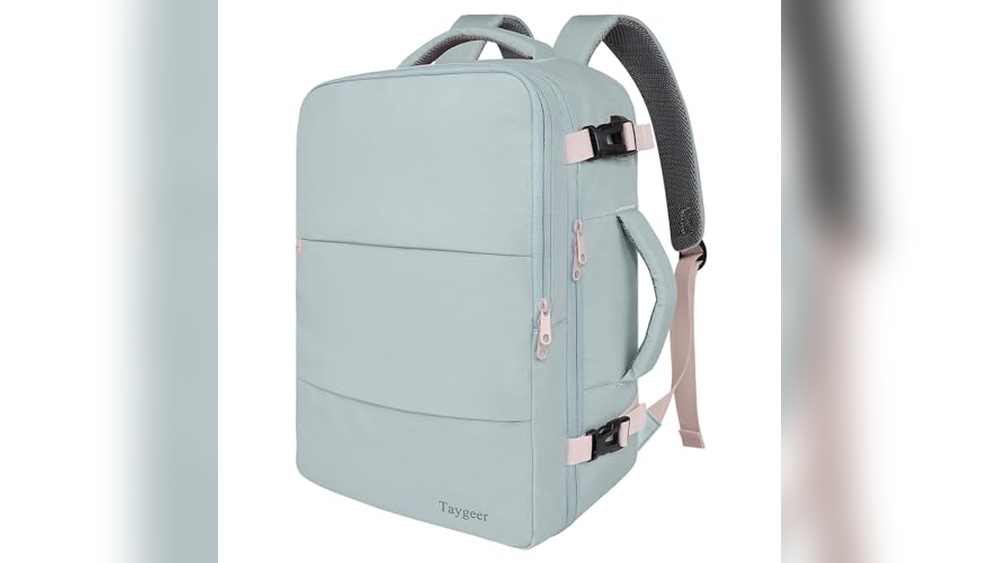
Are you tired of carrying a heavy backpack that slows you down and drains your energy? Knowing how to calculate your base weight backpacking can change the way you hike.
It helps you pack smarter, move faster, and enjoy your trip more. You’ll learn simple steps to figure out your base weight and tips to keep it as light as possible. By the end, you’ll feel confident in packing just what you need—nothing more, nothing less.
Ready to lighten your load and boost your adventure? Let’s dive in.
Base Weight Basics
Understanding your base weight is key to enjoying backpacking trips. It helps you pack smart and carry less weight. This section covers the essential ideas about base weight. Learn what it means and why it matters for your comfort and safety.
What Is Base Weight
Base weight means the weight of your packed backpack without food, water, or fuel. It includes your gear, clothes, and sleeping items. Knowing this number helps you see how heavy your gear really is. It does not count things you will use up on the trail.
Why Base Weight Matters
Base weight affects how far and fast you can hike. A lighter base weight means less strain on your body. It reduces fatigue and helps prevent injuries. Carrying less weight also makes your trip more fun and safe. It lets you move easier and enjoy nature more.
Essential Gear Categories
Knowing the essential gear categories helps keep your base weight low. It makes packing easier and your hike more comfortable. Focus on each category to pick lightweight and useful items. Carry only what you really need. This approach cuts unnecessary weight and boosts your hiking speed.
Shelter And Sleep System
Shelter and sleep gear protect you from weather and cold. Choose a lightweight tent, tarp, or hammock. Use a compact sleeping bag or quilt. Pick a sleeping pad that balances comfort and weight. These items form the heaviest part of your pack. Keep them as light as possible without losing comfort.
Clothing Choices
Clothing must fit the weather and activity level. Use layers to stay warm or cool. Pack moisture-wicking shirts, insulating layers, and rain gear. Avoid heavy cotton. Choose clothes that dry fast and pack small. Wear sturdy but light shoes or boots. Good clothing lowers your base weight and helps you stay safe.
Cooking And Food Storage
Cookware and food storage add weight but are necessary. Pick a small, lightweight stove and pot. Use a fuel type that matches your trip length. Carry only the food you need to avoid extra weight. Store food in compact bags or containers. Plan meals that are light but high in energy.
Navigation And Safety Tools
Navigation and safety tools ensure you stay on track and safe. Carry a map and compass or GPS device. Bring a headlamp or flashlight with extra batteries. Pack a small first aid kit and a multi-tool. Include items like whistle and fire starter. These tools are light but important for every trip.
Step-by-step Weight Calculation
Reducing base weight makes backpacking easier and more enjoyable. Carrying less weight saves energy and reduces strain on your body. Small changes in gear choices can cut pounds from your pack. Focus on smart packing and careful selection to travel light.
Choosing Lightweight Gear
Pick gear designed to be light. Look for tents, sleeping bags, and backpacks made with light materials. Avoid heavy items that add bulk without much benefit. Lighter gear means less effort during long hikes.
Multi-purpose Items
Use items that serve more than one purpose. A bandana can work as a towel, head cover, or pot holder. A jacket with a hood can replace a hat and gloves. Fewer items mean less weight and less clutter.
Minimizing Redundancies
Carry only what you really need. Avoid packing multiples of the same item. One good knife is enough, no need for extras. Check your list carefully and remove duplicates. This keeps your base weight low and your pack simple.
Tips To Reduce Base Weight
Tracking the weight of your backpack gear is key to keeping your base weight low. Tools and apps make this task simple and accurate. They help you weigh items, organize gear, and adjust your pack load efficiently. Using these resources saves time and prevents carrying too much weight.
Popular Digital Scales
Digital scales offer precise weight readings for backpack gear. Pocket-sized scales are popular because they are light and easy to carry. These scales often measure in grams and ounces, helping you track small differences. Some models have tare functions, allowing you to weigh gear inside bags. A reliable digital scale is a must for accurate base weight calculation.
Gear Management Apps
Gear management apps help list and track the weight of each item. You can enter item details and see the total pack weight instantly. Many apps allow photo uploads and notes for better organization. Some apps include databases of common backpacking gear with preset weights. These tools help you plan and adjust your gear without guesswork.
Tools And Apps For Tracking Weight
Adjusting your base weight is key for different backpacking trips. The length and conditions of your hike change what gear you need. Carrying only essentials keeps your pack light. This saves energy and makes hiking easier. Learn how to tweak your base weight for each trip.
Short Vs Long Hikes
Short hikes need less gear and food. You can skip some items like extra clothes or large cooking sets. Carry water for the day and light snacks. Long hikes require more supplies and backup gear. Pack extra clothes, food, and a bigger shelter. Base weight grows with trip length but keep it as low as possible.
Seasonal Gear Adjustments
Seasons affect what gear you carry. Winter hikes need warm clothes, insulated sleeping bags, and snow tools. Summer trips require lighter clothes and less insulation. Rainy seasons call for waterproof items. Adjust your base weight by adding or removing seasonal gear. This keeps you safe and comfortable.
Frequently Asked Questions
What Is Base Weight In Backpacking?
Base weight is the total weight of your backpack without consumables. It excludes food, water, and fuel. Knowing base weight helps optimize your load for comfort and efficiency during hikes.
How Do I Calculate My Base Weight?
To calculate base weight, weigh your packed backpack. Then subtract the weight of food, water, and fuel. The remaining weight is your base weight.
Why Is Calculating Base Weight Important?
Calculating base weight helps manage your load effectively. It ensures you carry only essential gear. This reduces fatigue and improves hiking speed and safety.
What Items Are Included In Base Weight?
Base weight includes shelter, clothing, sleeping gear, and cooking equipment. It excludes consumables like food, water, and fuel. Only non-consumable gear counts toward base weight.
Conclusion
Calculating your base weight helps you pack smarter and hike easier. Keep only what you truly need. A lighter pack means more comfort and less fatigue. Check your gear and subtract food, water, and fuel weight. Know your base weight before every trip.
This simple step saves energy and makes hiking more fun. Start practicing today and feel the difference on the trail.