Planning your backpacking trip to Thailand? One of the biggest questions you probably have is: how long should you spend exploring this incredible country?
You want to make the most of every moment, without feeling rushed or missing out on must-see places. Whether you have a week, a month, or even longer, this guide will help you decide the perfect amount of time to spend backpacking Thailand.
Keep reading to discover insider tips that will help you plan your trip just right, so you can enjoy every adventure and memory without stress.
Choosing Your Trip Length
Choosing how long to spend backpacking in Thailand depends on your goals and time. Each trip length offers different experiences and pace. Short trips cover highlights quickly. Medium trips allow deeper exploration. Long trips let you truly absorb the culture and lifestyle.
Think about what you want most. Adventure, relaxation, or cultural immersion? Your available days matter too. Here is a guide to help pick the right trip length for you.
Short Trips: 1 To 2 Weeks
Short trips suit travelers with limited time. Focus on top destinations like Bangkok, Chiang Mai, and Phuket. You will see major sights and try local food. The pace is fast, moving from place to place. Perfect for first-timers wanting a quick taste of Thailand.
Medium Trips: 3 To 4 Weeks
Medium trips give more freedom to explore. Visit both famous spots and hidden gems. Spend time in the north mountains and southern islands. You can enjoy cultural events and slow down sometimes. This length balances adventure and relaxation well.
Long Trips: A Month Or More
Long trips allow deep connection with Thailand’s people and culture. Live like a local, learn the language, and explore remote areas. Try volunteering or taking a cooking class. Plenty of time to discover off-the-beaten-path places. Ideal for travelers who want an immersive experience.
Planning Your Route
Planning your route is the first step in backpacking Thailand. The country offers diverse experiences, so map out your journey carefully. Decide how many days you want to spend in each region. This helps balance adventure and rest. Thailand’s size and transport options make travel easy and flexible.
Northern Highlights
The north is famous for mountains and culture. Chiang Mai and Pai are top spots. Explore ancient temples and local markets. Trekking and hill tribe visits offer unique memories. Spend at least 4 to 6 days here. The cooler climate makes it pleasant to explore.
Central Culture And Cities
Bangkok, the capital, is busy and vibrant. See grand palaces, temples, and street food stalls. Ayutthaya offers historic ruins just a short trip away. Spend 3 to 4 days in Bangkok and 1 to 2 days in Ayutthaya. City life contrasts with peaceful temple visits.
Southern Beaches And Islands
The south has stunning beaches and islands. Phuket, Krabi, and Koh Phi Phi attract many travelers. Relax on white sands or try water sports. Island hopping is popular here. Plan at least 5 to 7 days to fully enjoy the coast. The warm weather is perfect for beach time.
Budgeting Your Adventure
Budgeting is a key step before backpacking through Thailand. Knowing your daily costs helps plan your trip length. It also keeps spending under control. Thailand offers many options for all budgets. You can enjoy your adventure without overspending.
Daily Expenses Breakdown
Plan for three main daily expenses: accommodation, food, and transport. Expect to spend around $20 to $40 each day. This range suits most backpackers. You can spend less by choosing budget options. Or spend more for comfort and convenience. Track your spending daily to avoid surprises.
Accommodation Options
Hostels are the cheapest choice, costing $5 to $10 per night. Guesthouses offer a bit more comfort for $10 to $20. Mid-range hotels cost between $20 and $40. Book ahead in popular areas for better prices. Some places offer long-stay discounts. Choose based on your comfort and budget.
Food And Transport Costs
Street food is cheap and tasty, often under $2 per meal. Local restaurants cost $3 to $5. Avoid tourist spots for lower prices. Transport varies by distance. Tuk-tuks and local buses cost under $1 for short trips. Long-distance buses or trains range from $5 to $20. Renting a motorbike costs about $7 per day. Walking saves money and shows more of the city.
Seasonal Considerations
Choosing the right season is important for backpacking in Thailand. Weather changes can affect your trip. Some months are dry and sunny. Others have heavy rain and storms. Understanding seasonal changes helps plan your trip better. You can enjoy beaches, festivals, and hikes at the best time.
Best Time To Visit
The best time to visit Thailand is from November to early April. The weather stays dry and cool. This season is perfect for outdoor activities. Beaches and islands are beautiful and calm. Temperatures are comfortable for exploring cities and nature. This period attracts many travelers.
Monsoon Impact
The monsoon season lasts from July to October. Heavy rains fall almost every day. Floods can happen in some areas. Roads may become muddy and hard to travel. Some islands close for safety and maintenance. Still, rain usually stops by afternoon. The landscape looks fresh and green during this time.
Crowd Levels Throughout The Year
Tourist crowds peak in the dry season. Popular spots can be busy and noisy. Prices for hotels and tours rise. The monsoon season sees fewer visitors. You might find cheaper stays and less crowded places. Some attractions may have limited access. Off-season travel offers a more peaceful experience.
Packing Tips For Duration
Packing for a trip to Thailand depends on how long you plan to stay. The length of your backpacking trip changes what you need to bring. Short trips need fewer items, while longer travels require more preparation. Knowing what to pack helps you travel light and stay comfortable.
Essentials For Short Trips
For short trips, pack only what you need for a few days. Bring lightweight clothes that dry fast. A small backpack works best to keep your load light. Include a rain jacket and comfortable shoes. Carry basic toiletries and a power bank for your phone. A travel adapter is useful for charging devices.
Gear For Extended Travel
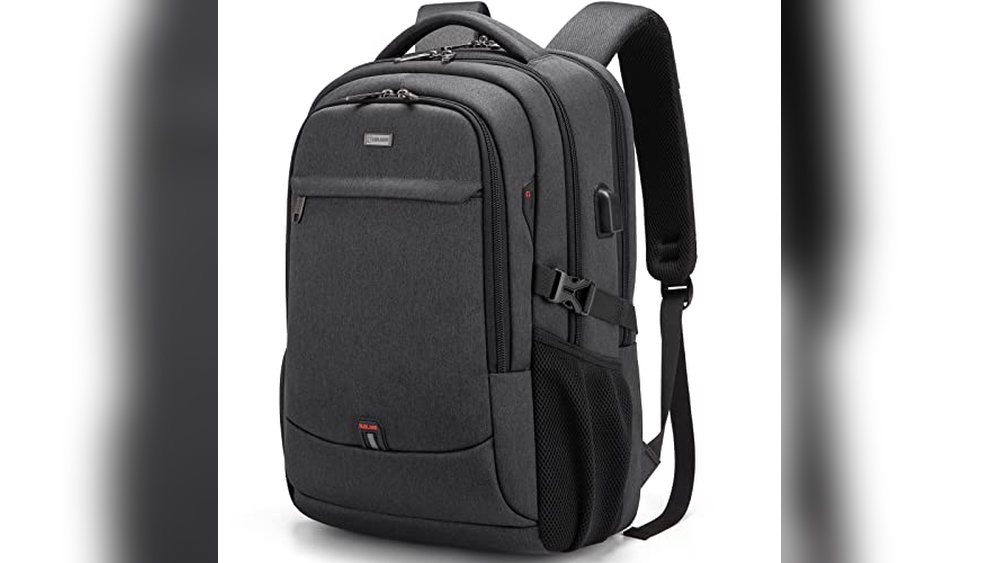
Longer trips need more gear to stay organized and safe. A bigger backpack with multiple compartments helps. Pack extra clothes to handle different weather conditions. Include a reusable water bottle to stay hydrated. A travel towel and laundry soap let you clean clothes. Bring a compact first aid kit and a flashlight. Consider a travel lock for hostel security.
Health And Safety Items
Health and safety are important, no matter the trip length. Pack insect repellent to avoid bites. Sunscreen protects your skin from strong sun rays. Carry basic medicines like painkillers and stomach remedies. A small first aid kit helps with minor injuries. Keep hand sanitizer and masks for hygiene. Stay safe by preparing for common health issues in Thailand.
Maximizing Your Experience
Maximizing your experience in Thailand means making every moment count. Backpacking here offers a chance to dive deep into local life, nature, and culture. Spend your time wisely to enjoy a rich and memorable trip. Balance adventure and relaxation to keep your energy high. This way, you can see more and feel more.
Local Activities And Adventures
Explore the vibrant street markets for fresh food and crafts. Try cooking classes to learn Thai recipes. Rent a bike to discover hidden temples and quiet villages. Take part in water activities like snorkeling or kayaking along the coast. Join guided hikes to visit waterfalls and national parks. These activities bring you closer to Thailand’s natural beauty.
Cultural Immersion
Visit local festivals to see traditional dances and music. Stay in guesthouses run by local families to experience daily life. Learn simple Thai phrases to communicate with locals. Attend meditation or yoga sessions offered in rural areas. Visit temples early in the morning for peaceful moments. Understanding the culture deepens your connection to the country.
Balancing Rest And Exploration
Plan days with a mix of activity and downtime. Use rest days to relax on quiet beaches or in small cafés. Avoid packing your schedule to prevent burnout. Sleep well to stay energized for adventures. Short naps after lunch can refresh your body. This balance helps maintain your excitement throughout the trip.
Frequently Asked Questions
How Many Days Are Ideal For Backpacking Thailand?
A 2 to 3-week trip is ideal for backpacking Thailand. This duration allows visits to major cities, beaches, and cultural sites. It balances exploration with relaxation, offering a well-rounded experience without rushing.
What Is The Best Season To Backpack Thailand?
The best season to backpack Thailand is during the cool, dry months from November to February. This period offers comfortable temperatures and less rainfall, making travel and outdoor activities enjoyable and hassle-free.
How To Budget Time For Thailand’s Top Destinations?
Spend 3-4 days in Bangkok, 4-5 days exploring northern cities like Chiang Mai, and 5-7 days on southern islands. This allocation covers cultural sites, nature, and beaches, providing a diverse backpacking experience across Thailand.
Can I Backpack Thailand In Less Than Two Weeks?
Yes, but a shorter trip means prioritizing key destinations. Focus on Bangkok and one or two regions like Chiang Mai or the islands for a fulfilling, albeit faster-paced, backpacking adventure.
Conclusion
Backpacking Thailand needs time to enjoy its beauty fully. Two to four weeks lets you see many places. You can explore cities, beaches, and mountains with ease. Short trips might feel rushed and miss key sights. Longer trips offer a chance to relax and meet locals.
Plan your trip based on your interests and budget. Remember, Thailand’s charm grows the longer you stay. Start with a flexible plan and adjust as you go. This way, your backpacking journey becomes a true adventure.