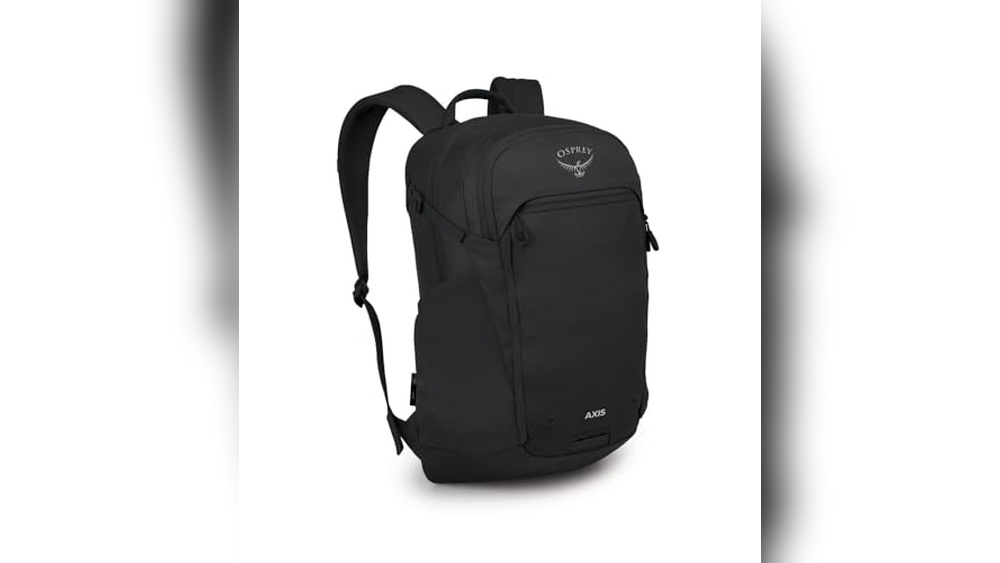
Have you ever wondered how long your backpack will really last with daily use? You rely on it every single day, carrying your essentials, whether for work, school, or travel.
But how much wear and tear can it handle before it starts to show signs of damage? Knowing the lifespan of your backpack helps you plan when to repair, replace, or upgrade it—saving you money and avoiding unexpected breaks. Keep reading to discover what affects your backpack’s durability and how you can make it last longer.
Backpack Materials And Lifespan
Backpack materials play a big role in how long a backpack lasts. Different fabrics and their qualities affect durability. Choosing the right material can help your backpack stay strong with daily use.
Common Fabrics Used
Many backpacks use nylon, polyester, or canvas. Nylon is light and strong. Polyester is tough and resists fading. Canvas is thick and durable but heavier. Each fabric has pros and cons for daily wear.
Impact Of Material Quality
High-quality fabric lasts longer and resists tears. Cheap materials wear out fast and lose shape. Strong stitching and good fabric make backpacks last through rough use. Quality matters more than style for lifespan.
Water Resistance And Durability
Water-resistant materials protect your backpack from rain. Coated nylon and polyester repel water well. Waterproof backpacks add extra protection but cost more. Durable materials also resist dirt and stains. This keeps backpacks looking new longer.
Daily Wear And Tear Factors
Daily wear and tear greatly affect how long backpacks last with daily use. Small damages build up over time and reduce the bag’s life. Understanding key factors helps you care for your backpack better. This section covers the main causes of wear and tear.
Weight And Load Effects
Heavy loads strain backpack materials and seams. Overloading causes zippers to break and straps to tear. Carrying weight unevenly can wear down one side faster. Using the right size backpack for your load helps it last longer.
Exposure To Weather Elements
Rain, sun, and dirt damage backpacks over time. Water can weaken fabric and cause mold or stains. Sunlight fades colors and breaks down materials. Dirt and dust wear on zippers and seams. Protecting your backpack from harsh weather extends its life.
Frequency Of Use
More daily use means faster wear and tear. Constant opening and closing stress zippers. Frequent use wears down straps and padding. Backpacks used every day show signs of damage sooner. Rotating bags or using them less often helps preserve them.
Signs Of Backpack Wear
Backpacks endure a lot every day. Over time, signs of wear start to appear. These signs tell you when your backpack needs repair or replacement. Spotting these early helps protect your belongings and keeps your bag reliable.
Fraying And Fabric Damage
Edges of the backpack often show fraying first. Fabric may start to thin or tear in heavy-use areas. Look closely at corners and the bottom. Small holes can grow bigger quickly. Dirt and moisture also weaken the fabric over time.
Zipper And Hardware Failures
Zippers often fail with daily use. They can get stuck, separate, or break completely. Check zipper pulls and teeth for damage. Plastic clips and buckles may crack or lose grip. Hardware failure can stop your backpack from closing properly.
Strap And Stitching Issues
Straps carry most of the weight and wear out fast. Watch for torn edges or loose threads on straps. Stitching may come undone, especially near stress points. Loose straps make carrying uncomfortable and unsafe. Fixing straps early prevents bigger problems later.
Extending Backpack Lifespan
Backpacks face a lot of wear and tear with daily use. Dirt, heavy loads, and constant movement can cause damage. Taking steps to care for your backpack helps it last longer. Simple habits can keep your backpack strong and looking good.
Regular Cleaning Tips
Clean your backpack often to remove dirt and dust. Use a soft brush or cloth to wipe the surface. For stains, use mild soap and water. Avoid harsh chemicals that can damage fabric. Let your backpack air dry completely before using it again.
Proper Storage Practices
Store your backpack in a cool, dry place. Avoid damp or hot areas that can weaken materials. Keep it upright or hang it by the straps to keep its shape. Do not overstuff or crush your backpack during storage. Proper storage reduces stress on zippers and seams.
Timely Repairs And Maintenance
Fix small tears or loose threads quickly. Use a needle and strong thread or fabric glue. Check zippers and buckles regularly for smooth function. Replace broken parts early to prevent bigger damage. Regular care keeps your backpack ready for daily use.
Comparing Backpack Brands
Choosing the right backpack brand affects how long it lasts with daily use. Different brands use various materials and designs. This impacts durability and comfort. Understanding these differences helps pick a backpack that fits your needs and lasts longer.
Some brands focus on affordability, while others emphasize premium quality. Comparing these options gives a clear idea of what to expect.
Budget Vs Premium Options
Budget backpacks cost less but may use lighter materials. They work well for light daily use. Premium backpacks have stronger fabrics and better stitching. They often last several years with daily wear. The price reflects the quality and durability. Choose based on how often and hard you use the backpack.
Warranty And Support
Many premium brands offer longer warranties. This shows confidence in their product’s durability. Budget brands may have limited or no warranty. Good warranty means repairs or replacements if issues arise. Check warranty details before buying a backpack. It protects your investment and ensures peace of mind.
User Reviews And Durability Ratings
User reviews reveal real-life backpack performance. Look for comments about wear and tear over time. High durability ratings often come from many positive reviews. Pay attention to common problems mentioned by users. This helps avoid brands with poor quality or short lifespan.
When To Replace Your Backpack
Knowing when to replace your backpack helps keep your items safe and your back comfortable. Daily use wears out backpacks over time. Some signs show it is time to get a new one. Watching these signs saves money and prevents problems.
Assessing Repair Costs
Check the damage carefully. Small tears or broken zippers might be fixed easily. Repairs costing more than half the price of a new backpack are not worth it. Spending too much on repairs can waste your money. Choose replacement if repairs become too frequent or costly.
Safety And Comfort Considerations
Backpacks support your body. Worn-out straps can hurt your shoulders and back. Padding that has lost shape reduces comfort. Broken buckles or missing parts can cause accidents. A backpack that no longer fits well can cause pain. Replace your backpack to protect your body and stay safe.
Upgrading For New Needs
Your needs change with time. A bigger backpack might be needed for work or school. New styles have better compartments and features. Water-resistant or lighter materials offer more protection. Upgrading your backpack can improve daily use and organization. Choose a new one that matches your current lifestyle.
Frequently Asked Questions
How Long Does A Backpack Last With Daily Use?
A daily-use backpack typically lasts 1 to 3 years. Quality, material, and care affect its lifespan. Heavy loads and rough handling shorten durability. Proper maintenance can extend its life beyond three years.
What Factors Affect A Backpack’s Durability?
Material quality, stitching, zippers, and usage frequency impact durability. Nylon and polyester backpacks last longer. Overloading and exposure to harsh conditions cause wear. Regular cleaning and repairs improve longevity.
How Can I Extend My Backpack’s Lifespan?
Avoid overloading and store it in a dry place. Clean it regularly and fix small damages promptly. Use protective sprays for water resistance. Proper care prevents premature wear and tear.
When Should I Replace My Daily Backpack?
Replace your backpack if zippers break, seams tear, or padding wears out. A damaged backpack can affect comfort and safety. Consider replacing it every 2 to 3 years with heavy daily use.
Conclusion
Daily use affects how long backpacks last. Strong materials and good care help them stay longer. Small repairs can fix many common problems. Avoid overloading to keep straps and zippers safe. Choosing the right backpack for your needs matters. Quality backpacks can last several years with care.
Watch for wear and tear to prevent damage. Your backpack’s life depends on how you treat it. Keep it clean and dry to avoid mold. A well-maintained backpack serves you well every day.