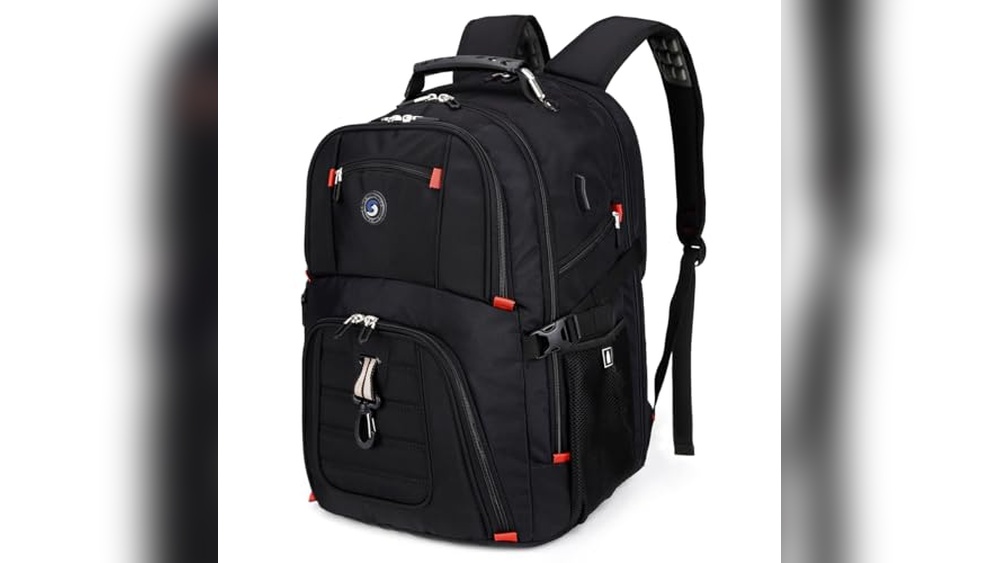
You might be wondering, how much should all of your backpacking gear weigh? Carrying too much can tire you out quickly and slow you down.
But packing too little might leave you unprepared for unexpected situations. Finding the right balance is key to enjoying your trip and staying safe. You’ll discover practical tips to help you pack smart, keep your load light, and still have everything you need.
Keep reading to learn how to make your backpacking experience easier and more enjoyable.
Ideal Backpack Weight
The ideal backpack weight depends on many things. Carrying too much makes hiking hard and tiring. Carrying too little may leave you unprepared. Finding the right balance helps you enjoy the trip. The goal is to carry only what you need.
Backpack weight affects your speed, energy, and safety. Choosing the right weight can make your hike easier. It also helps prevent injuries like sore shoulders or back pain. Let’s explore what affects backpack weight and how to decide the best weight for you.
Factors Influencing Weight
Weather is a big factor in what you pack. Cold or wet weather needs more clothes and gear. The terrain matters too. Steep or rough trails require lighter packs for easier movement. Your body strength affects how much you can carry. The length of the trip changes what you take. Personal needs, like food or medication, also add weight.
Weight Recommendations By Trip Length
For day hikes, keep your pack under 10 pounds. Carry water, snacks, and a small first aid kit. Overnight trips need more gear and food. Aim for 20 to 30 pounds for one or two nights. Longer trips require more supplies. Try to keep your pack under 25% of your body weight. This helps you stay comfortable over many days.
Weight Recommendations By Experience Level
Beginners should start with lighter packs. Around 15 to 20 pounds keeps trips fun and safe. Experienced hikers can carry heavier loads. They know how to pack smart and distribute weight. Advanced backpackers often carry 25 to 35 pounds. They bring more gear for safety and comfort.
Essential Gear Categories
Choosing the right gear is key for a successful backpacking trip. Gear weight impacts your comfort and energy. Carry only what is essential. Focus on four main gear categories. Each one plays a unique role in your trip.
Understanding these categories helps you pack smart. It also keeps your backpack light and manageable. Let’s explore the essential gear categories and what they include.
Shelter And Sleep System
Your shelter protects you from weather and insects. A lightweight tent, tarp, or hammock works well. The sleep system includes a sleeping bag and sleeping pad. Choose gear that balances weight and warmth. Keep your setup compact and easy to carry.
Cooking And Food Supplies
Cooking gear lets you prepare meals on the trail. A small stove, fuel, pot, and utensils are basics. Bring lightweight, easy-to-clean items. Food should be lightweight but high in calories. Plan meals that fuel your body without extra weight.
Clothing Choices
Clothing keeps you comfortable and safe from the elements. Pack layers: base, insulation, and outer shell. Choose quick-drying and breathable fabrics. Avoid heavy cotton. Carry only what you need for the weather and conditions. Extra clothes add unnecessary weight.
Navigation And Safety Tools
Navigation tools guide you through trails and wilderness. Include a map, compass, or GPS device. Safety tools mean first aid, whistle, and flashlight. These items keep you prepared for emergencies. Pick lightweight, reliable gear to save space.
Lightweight Gear Tips
Keeping your backpack light makes hiking easier and more fun. Carrying less weight saves energy and helps you walk longer. These lightweight gear tips will help you choose and pack smartly. The right gear means more comfort and less strain on your body.
Choosing Ultralight Equipment
Pick gear made from light materials like titanium and nylon. Look for smaller, compact items designed for backpacking. Ultralight tents, sleeping bags, and stoves reduce your pack weight a lot. Avoid heavy or bulky gear that adds unnecessary pounds. Every ounce counts on long trips.
Multi-use Items
Bring gear that serves more than one purpose. A pot that also works as a bowl saves space and weight. Clothing that dries fast and keeps you warm cuts down on extra layers. Multi-use tools reduce how much you need to carry. Simple items with double functions make packing easier.
Packing Strategies To Reduce Weight
Pack only essentials and leave extras at home. Organize your gear to fit tightly and avoid gaps. Use compression sacks to shrink bulky items like sleeping bags. Share heavy items with your hiking partners if possible. Lighter packs help you move faster and enjoy the trail more.
Balancing Weight And Comfort
Finding the right balance between weight and comfort is key in backpacking. Carrying too much weight makes the hike tiring and slow. Carrying too little may leave you without needed gear. Comfort affects your energy and safety on the trail. This section helps you choose what to carry for a good trip.
When To Prioritize Comfort
Choose comfort on long or tough trails. Your body needs rest and support. Good shoes, a soft sleeping pad, and warm clothes help. Comfort gear can prevent injuries and pain. If you hike many days in a row, comfort matters more.
Avoiding Excess Weight
Cut extra weight by using multi-use items. Pick lightweight gear made for backpacking. Carry only what you truly need. Heavy items slow you down and tire you fast. Keep your pack weight under 20% of your body weight for easier travel.
Adjusting Gear For Weather Conditions
Change your gear based on weather. Carry rain gear if rain is likely. Add layers for cold weather, but remove them if hot. Pack light in dry, warm seasons. This keeps your load manageable and your body safe.
Common Weight Mistakes
Backpacking gear weight can make or break your trip. Many hikers make common mistakes that add unnecessary pounds. Knowing these errors helps keep your pack light and your journey easier.
Overpacking
Carrying too much gear is a frequent error. People bring items they rarely use. Extra clothes, gadgets, and bulky gear add weight fast. Pack only what you truly need for the trail. This keeps your load manageable and your steps lighter.
Ignoring Weight Of Consumables
Food and water weight often gets overlooked. These items can change daily. Carrying more than needed makes your pack heavy. Plan meals and water carefully. Refill and consume as you go to avoid extra burden.
Not Weighing Gear Before Trips
Many hikers guess their gear weight. This leads to surprises on the trail. Use a scale to weigh each item before packing. Knowing exact weights helps you make smart choices. This simple step avoids carrying hidden weight.
Tools To Measure And Manage Weight
Knowing the weight of your backpacking gear is key to a comfortable trip. Carrying too much can cause fatigue and slow you down. Using the right tools helps you measure and manage your gear weight easily. These tools help you stay within safe weight limits and plan better for your adventure.
Digital Scales
Digital scales provide quick and accurate weight readings. They are small and easy to carry. You can weigh individual items or your full pack. Some scales show weight in pounds and kilograms. Using a digital scale helps you remove heavy items before your trip.
Packing Checklists
Packing checklists keep your gear organized and balanced. Write down each item and its weight. Check off items as you pack them. This method prevents forgetting important gear or adding too much. A checklist helps you compare your gear weight to your target limit.
Apps For Gear Management
Apps for gear management simplify tracking your equipment. They let you list items and their weights digitally. Some apps calculate total pack weight automatically. You can update your list anytime. These apps help you spot heavy items and adjust your gear quickly.
Frequently Asked Questions
How Much Should A Lightweight Backpacking Pack Weigh?
A lightweight backpacking pack should weigh between 10 to 20 pounds. This includes all essential gear. Keeping weight low improves comfort and mobility on trails.
What Is The Ideal Base Weight For Backpacking Gear?
The ideal base weight ranges from 8 to 12 pounds. Base weight excludes food, water, and fuel. Staying within this limit helps reduce fatigue and injury risk.
How Does Gear Weight Affect Backpacking Performance?
Heavier gear slows you down and drains energy faster. Lighter gear increases hiking speed and endurance. Choosing lightweight equipment is key for longer trips.
Can I Backpack Comfortably With Gear Over 25 Pounds?
Backpacking with over 25 pounds of gear is possible but challenging. It may cause quicker fatigue and joint strain. Aim to minimize weight for better comfort.
Conclusion
Finding the right weight for your backpacking gear matters a lot. Too heavy, and hiking becomes hard and tiring. Too light, and you might miss important items. Aim for a balance that suits your trip and body. Think about comfort, safety, and how far you will go.
Pack only what you truly need. Your backpack should help, not slow you down. Keep weight low to enjoy your adventure fully. Every ounce counts on the trail. Choose wisely and hike happily.