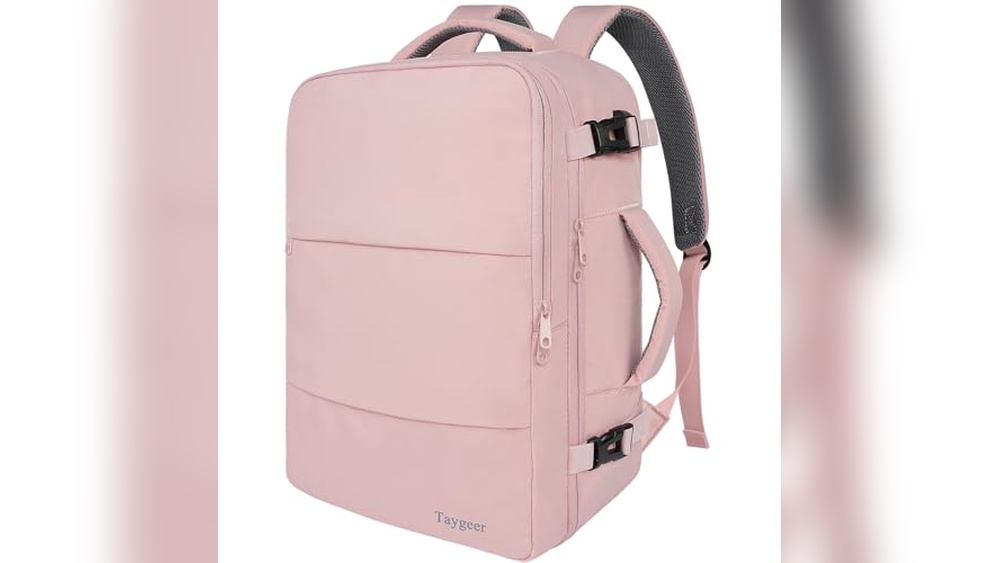
Have you ever wondered if your backpack is still good to use or if it’s time for a new one? Your backpack carries your essentials every day, from work tools to travel gear.
But how often should you replace it to avoid surprises like broken zippers or torn straps? Knowing when to swap your backpack can save you from discomfort and frustration. Keep reading to find out the signs your backpack needs a change and how often you should really replace it to keep your belongings safe and your shoulders happy.
Signs Your Backpack Needs Replacement
Knowing when to replace your backpack can save you from frustration. A worn-out backpack can cause discomfort and damage your belongings. Watch for clear signs that your backpack is no longer reliable. These signals mean it is time for a new one.
Worn-out Straps And Handles
Straps and handles take the most weight and wear. Look for frayed edges, thinning material, or loose stitching. Straps that dig into your shoulders or handles that tear can hurt your comfort. Broken straps may cause your backpack to fall unexpectedly.
Torn Fabric And Seams
Check the backpack’s fabric for holes or tears. Small rips can grow larger quickly. Seams that come apart mean the backpack loses strength. Torn fabric lets dirt and water inside, damaging your items.
Broken Zippers And Buckles
Zippers and buckles hold your backpack closed and secure. Broken or stuck zippers make it hard to open or close pockets. Missing or cracked buckles reduce your backpack’s stability. Faulty closures risk losing your stuff.
Loss Of Shape And Support
A good backpack keeps its shape and supports your back. If it looks saggy or misshaped, the padding may be worn out. Weak support can cause back pain and discomfort. A bag that does not stand upright is less practical.
Factors Affecting Backpack Lifespan
Several factors affect how long a backpack lasts. These factors help decide when to replace your backpack. Knowing them helps you care for your bag better. It also saves money by avoiding early replacements.
Frequency Of Use
Backpacks used daily wear out faster. Constant use causes straps, zippers, and fabric to weaken. A backpack used once a month lasts much longer. Less use means fewer chances for damage.
Type Of Activities
Rough activities like hiking or climbing stress backpacks more. Heavy outdoor use exposes bags to dirt and tears. Simple tasks like school or office work cause less wear. Activity type changes the backpack’s lifespan greatly.
Material Quality
High-quality materials resist wear and tear better. Strong fabrics and sturdy zippers last longer. Cheap materials break down quickly and lose shape. Investing in good material means a longer-lasting backpack.
Weight Carried Regularly
Carrying heavy loads strains the backpack’s frame and seams. Overloading can cause straps to snap or fabric to rip. Light packing reduces stress and extends the bag’s life. Keep weight within the recommended limit for best results.
Recommended Replacement Timelines
Knowing when to replace your backpack helps keep your items safe and comfortable. Backpacks wear out at different speeds based on use and quality. Follow these timelines to decide when to get a new one.
Casual Everyday Use
Backpacks used daily for light activities last about 2 to 3 years. Look for worn straps, broken zippers, or holes in the fabric. Replace it if the bag no longer holds its shape or feels uncomfortable.
Travel And Hiking Backpacks
Travel and hiking bags face rough conditions. They usually last 3 to 5 years with regular use. Check for tears, worn padding, and broken buckles often. Replace the backpack if it fails to protect your gear or support your back.
School And Work Bags
School and work backpacks often carry heavy loads. Expect them to last 2 to 4 years. Watch for frayed seams, broken zippers, and damaged straps. Replace the bag if it feels unsafe or too worn for daily use.
Specialized Backpacks
Specialized backpacks, like camera or laptop bags, need careful care. Their lifespan is about 3 to 6 years depending on use. Replace the bag if padding breaks down or compartments become unusable. Protect your equipment with a reliable pack.
How To Extend Your Backpack’s Life
Extending the life of your backpack saves money and reduces waste. Simple habits can keep it strong and useful for years. Caring for your backpack helps it stay clean and durable. Follow these tips to get the most from your bag.
Proper Cleaning Techniques
Clean your backpack regularly to prevent dirt buildup. Use a soft brush or cloth to remove dust. Spot clean stains with mild soap and water. Avoid harsh chemicals that can damage fabric. Let your backpack air dry completely before storing.
Storage Tips
Store your backpack in a cool, dry place. Avoid direct sunlight to prevent fading and weakening. Keep it empty to maintain shape and avoid creases. Hang it or lay flat to prevent stress on straps and zippers.
Regular Maintenance
Check zippers, straps, and seams often for damage. Fix small tears or loose threads quickly. Apply zipper lubricant to keep them smooth. Tighten any loose buckles or clips to avoid breaks.
Avoiding Overloading
Do not carry more weight than the backpack’s limit. Heavy loads strain fabric and cause tears. Distribute weight evenly to reduce stress on straps. Lighten your load to keep the backpack comfortable and strong.
Choosing The Right Backpack For Longevity
Choosing the right backpack matters for how long it lasts. A good backpack can serve you well for years. A poor one might break after a few months. Focus on key features that affect durability and comfort. These features make your backpack a reliable companion for daily use.
Material Durability
Strong materials extend a backpack’s life. Look for fabrics like nylon or polyester with high denier counts. These resist tears and wear from heavy use. Water-resistant or waterproof fabrics add extra protection. Check for reinforced stitching at stress points. These details prevent early damage and keep your backpack intact.
Design And Construction
Smart design supports long-term use. Padded straps reduce shoulder strain. Multiple compartments help organize items efficiently. Durable zippers and buckles withstand frequent opening and closing. Seams should be double-stitched for extra strength. A well-built backpack feels sturdy and comfortable to carry.
Brand Reputation
Trusted brands often produce better backpacks. They use quality materials and careful construction. Customer reviews reveal real-life durability and comfort. Brands with positive feedback show commitment to quality. Choosing a reputable brand lowers the risk of quick wear and tear.
Warranty And Support
Warranties protect your purchase from defects. Longer warranties indicate confidence in product quality. Good customer support helps fix or replace damaged parts. Some brands offer repair services to extend backpack life. Check warranty terms before buying to avoid surprises.
When To Repair Vs. Replace
Deciding whether to repair or replace your backpack can be tricky. Small problems might be fixed easily. Bigger issues may mean it’s time for a new one. Understanding when to repair and when to replace helps you save money and avoid hassle.
Assessing Damage Severity
Check your backpack closely. Look for broken zippers, torn fabric, or ripped straps. Small tears can be sewn or patched. Large holes or missing parts often need a new bag. Pay attention to the frame and padding too. If these are damaged, repairs might not work well.
Cost Of Repairs
Compare repair costs to the price of a new backpack. Simple fixes like replacing a zipper are usually cheap. Complex repairs, such as fixing broken frames, can be costly. Spending too much on repairs may not be worth it. A new backpack might offer better value.
Impact On Functionality
Think about how the damage affects your backpack’s use. A broken strap or zipper makes carrying items hard. If the backpack can’t hold weight or keep things safe, repairs might not help. A fully functional backpack keeps your gear secure and comfortable.
Environmental Considerations
Repairing extends your backpack’s life and reduces waste. It helps protect the environment by cutting down on trash. Choose repairs if the backpack still works well. When replacing, recycle the old bag properly. This supports a cleaner, greener planet.
Frequently Asked Questions
How Often Should I Replace My Backpack For Daily Use?
Replace your daily backpack every 2 to 3 years. Frequent use causes wear on straps, zippers, and fabric. Regular inspection helps identify damage early. Quality backpacks may last longer with proper care. Timely replacement ensures comfort and protects your belongings.
What Signs Indicate It’s Time To Replace A Backpack?
Look for frayed straps, broken zippers, and torn fabric. If padding compresses or the backpack loses shape, it’s time. Weak seams and water damage also signal replacement. These issues affect durability and comfort, making a new backpack essential.
Does The Backpack’s Material Affect Its Replacement Frequency?
Yes, material quality impacts lifespan. Nylon and polyester backpacks usually last longer. Canvas backpacks may wear faster with heavy use. Water-resistant materials extend durability. Choose materials based on your usage to maximize replacement intervals.
How Can I Extend My Backpack’s Lifespan?
Clean your backpack regularly and avoid overloading it. Store it in a dry, cool place to prevent mold. Repair minor damages promptly to avoid worsening. Proper care delays replacement and maintains comfort and functionality.
Conclusion
Choosing when to replace your backpack depends on wear and tear. Check for broken zippers, torn fabric, or lost comfort. A good backpack supports your daily needs and stays reliable. Don’t wait until it breaks completely. Replacing it at the right time saves money and stress.
Keep your belongings safe and comfortable on every trip. Your backpack should last but only if cared for well. Remember, a worn-out bag can cause more problems than it solves. Stay alert to signs and switch to a new one when needed.