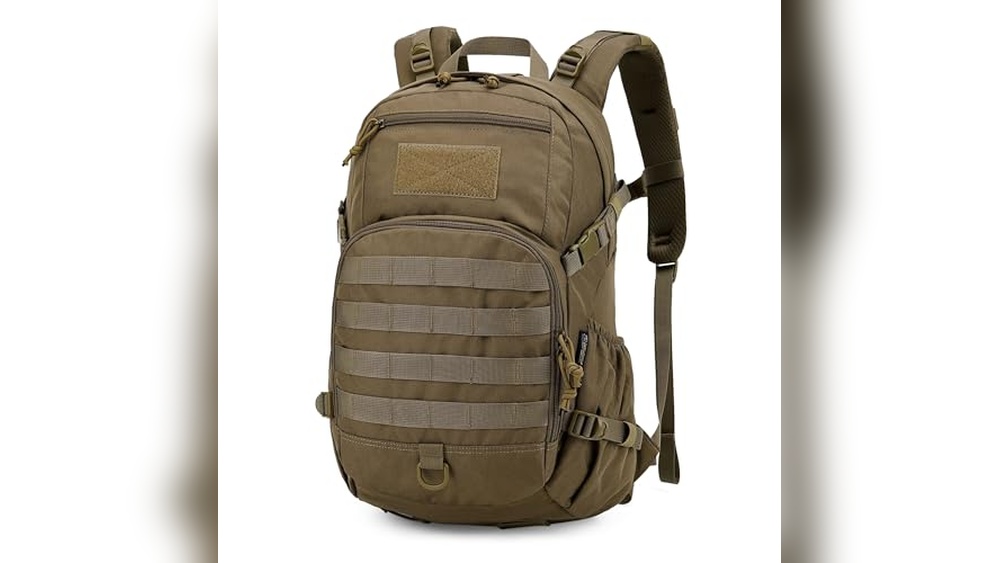
Have you ever felt uncomfortable or sore after wearing your backpack for a while? The way your backpack sits on your back can make a huge difference in how you feel throughout the day.
If it’s too low, too high, or uneven, it can cause pain and strain. But don’t worry—learning the right way to wear your backpack is easier than you think. Keep reading to discover simple tips that will help your backpack fit perfectly, protect your back, and keep you comfortable no matter where you go.
Your back will thank you!
Choosing The Right Backpack
Choosing the right backpack matters a lot for your comfort and health. A good backpack fits well and carries weight evenly. It helps avoid back pain and strain. Knowing what features to check makes a big difference.
Backpack Size And Fit
The backpack should match your body size. It must not be too big or too small. The bottom of the bag should sit at your lower back. The top should be just below your shoulders. This balance keeps your spine safe and comfortable.
Strap Types And Padding
Look for wide, padded shoulder straps. They spread weight and reduce pressure. Adjustable straps help make the fit perfect. Some backpacks have chest or waist straps. These add extra support and keep the pack steady.
Weight Distribution Features
Good backpacks have compartments to organize weight. This stops heavy items from pulling you back. Some designs include padded back panels. They help spread weight evenly across your back. Proper weight distribution keeps you balanced and pain-free.
Adjusting Straps Correctly
Adjusting straps correctly is key to wearing your backpack comfortably and safely. Proper strap adjustment helps balance the weight and reduces strain on your back and shoulders. It also keeps the backpack stable while walking or hiking.
Shoulder Strap Positioning
The shoulder straps should sit snugly on your shoulders. Avoid letting them hang loose or digging into your skin. Adjust the straps so the backpack rests close to your back. This keeps the weight evenly spread and prevents discomfort.
Tightening The Sternum Strap
The sternum strap connects the two shoulder straps across your chest. Tighten it just enough to keep the shoulder straps from sliding off. It helps keep the backpack steady and reduces pressure on your shoulders. Avoid tightening it too much to keep breathing easy.
Using The Hip Belt
The hip belt carries most of the backpack’s weight. Position it around the top of your hips, not your waist. Fasten and tighten the belt until it feels firm but not tight. This shifts weight from your shoulders to your hips, making long walks easier.
Positioning The Backpack
Positioning a backpack correctly on your back helps reduce strain and keeps you comfortable. Proper placement spreads the weight evenly and protects your spine. A well-positioned backpack feels lighter and allows better movement.
Focus on how high the backpack sits, how close it stays to your body, and how much it moves as you walk. These factors help keep your back safe and make carrying easier.
Ideal Height On The Back
The backpack should sit high on your back, not low. The top of the pack should be just below your shoulders. The bottom of the pack should rest in the curve of your lower back. This keeps weight off your hips and prevents back pain.
Keeping The Load Close To Your Body
Keep the backpack close to your back. Tighten the shoulder straps so the pack fits snugly. This reduces pulling on your shoulders and spine. A pack far from your body feels heavier and can cause discomfort.
Avoiding Excessive Sway
Limit side-to-side movement of the backpack. Use chest or waist straps if available. These straps hold the pack steady and stop it from swinging. Less sway means less strain on your muscles and better balance.
Maintaining Comfort While Wearing
Wearing a backpack for a long time can cause discomfort. Knowing how to maintain comfort helps prevent pain and fatigue. A well-fitted backpack supports your body and makes carrying easier.
Proper comfort means the backpack fits close to your back without pressing too hard. It should not sway or pull your body backward. Adjusting the straps correctly is key to feeling good while wearing it.
Balancing The Load
Keep the heaviest items near your back. This reduces stress on your shoulders and spine. Distribute weight evenly on both sides. Avoid placing too much in one pocket or area. Balance helps you walk straight and stay comfortable longer.
Taking Breaks And Readjusting
Stop and take breaks during long walks. Remove the backpack and stretch your shoulders and back. Use breaks to check straps and adjust if needed. Shifting the weight and loosening tight straps prevent soreness. Small changes keep you comfortable throughout the day.
Common Mistakes To Avoid
Do not wear the backpack too low on your hips. This pulls your back and causes pain. Avoid carrying too much weight; it strains your muscles. Don’t leave straps loose; the pack will swing and hurt your back. Check your fit every time before heading out.
Backpack Care And Maintenance
Proper care and maintenance help your backpack last longer and stay comfortable. A well-maintained backpack supports your back and keeps your belongings safe. Regular checks and cleaning improve its performance and look. Simple steps can prevent damage and wear.
Checking Straps And Buckles
Check straps for frays or tears often. Tighten loose buckles to keep your backpack secure. Make sure all clips work well and don’t slip. Replace broken parts to avoid accidents. Strong straps and buckles keep weight balanced and reduce strain.
Cleaning Tips For Comfort
Keep your backpack clean to avoid odors and skin irritation. Use mild soap and a soft brush for stains. Hand wash or use a gentle machine cycle if safe. Air dry completely before use to stop mildew. Clean backpacks feel fresh and help you carry better.
When To Replace Your Backpack
Replace your backpack if straps or zippers fail often. Look for holes or tears that weaken the fabric. If it loses shape or padding, it may hurt your back. A worn-out backpack cannot support your load well. Choose a new one for safety and comfort.
Frequently Asked Questions
How High Should A Backpack Sit On Your Back?
A backpack should sit evenly in the middle of your back. The bottom should rest just above your hips for balanced weight distribution and comfort.
Why Is Proper Backpack Placement Important?
Proper placement reduces strain on your shoulders and back. It prevents injury and improves posture during carrying.
How Tight Should Backpack Straps Be?
Straps should be snug but not too tight. They should hold the backpack close without causing discomfort or restricting movement.
Can A Backpack Sitting Too Low Cause Pain?
Yes, a low-sitting backpack strains your lower back and shoulders. It increases fatigue and risk of injury.
Conclusion
A backpack should rest comfortably in the middle of your back. Keep the straps snug but not too tight. The weight should feel balanced and close to your body. This helps prevent pain and strain. Adjust the straps often for the best fit.
A well-positioned backpack makes carrying easier and safer. Remember, small changes can make a big difference. Take care of your back every time you wear your backpack.