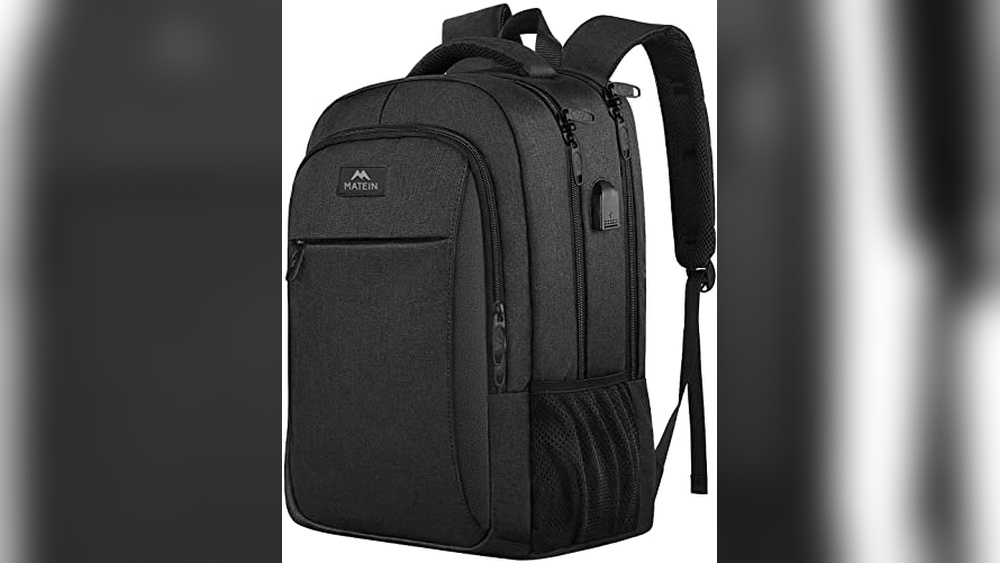
If you love spending time outdoors, you know how important it is to carry your gear efficiently. One key item is your sleeping mat, but figuring out how to attach it to your backpack can be tricky.
You want it secure, easy to access, and balanced so it doesn’t slow you down. In this guide, you’ll discover simple, practical ways to fasten your sleeping mat to your backpack. By the end, you’ll be ready to travel lighter and smarter on your next adventure.
Keep reading to learn the best tips that will make your packing easier and your hike more comfortable.
Choosing The Right Sleeping Mat
Choosing the right sleeping mat is important for a good night’s rest outdoors. It affects your comfort, backpack weight, and how easy it is to carry. Picking a mat that fits your needs makes your trip better and your pack lighter.
Types Of Sleeping Mats
There are three main types of sleeping mats: foam, inflatable, and self-inflating. Foam mats are light and durable but less comfortable. Inflatable mats offer good comfort and pack small but can be fragile. Self-inflating mats combine foam and air for comfort and insulation.
Size And Weight Considerations
Choose a mat size that fits your body and backpack space. Larger mats give more comfort but add weight. Lighter mats are easier to carry but may be thinner. Balance size and weight based on how far you hike.
Durability And Material
Check the material for strength and wear resistance. Nylon and polyester are common for their durability. Some mats have extra coating for water resistance. A strong mat lasts longer and handles rough outdoor use well.
Preparing Your Backpack
Preparing your backpack is the first step to attach a sleeping mat securely. A well-prepared pack keeps your gear balanced and easy to carry. Take time to arrange your backpack before adding the mat. This will help avoid damage and keep your load stable.
Checking Attachment Points
Look for loops, straps, or daisy chains on your backpack. These are designed to hold extra gear like a sleeping mat. Make sure these points are strong and not worn out. Use them to fasten your mat tightly. Proper attachment points prevent the mat from swinging or falling off.
Clearing Space For The Mat
Remove any loose items from the outside of your pack. This space is where the sleeping mat will go. Clear space helps the mat fit flat and close to the pack. It also stops the mat from getting caught on branches or rocks. A neat pack means easier walking and less noise.
Using Compression Straps
Compression straps tighten the sleeping mat against your backpack. Wrap the mat and pull the straps snug. This keeps the mat from moving or flapping in the wind. Tight compression makes your load smaller and easier to carry. Use the straps carefully to avoid damaging the mat.
Common Attachment Methods
Attaching a sleeping mat to a backpack makes carrying gear easier. It saves space inside the pack and keeps the mat dry. Different ways suit different backpacks and mats. Here are common methods used by hikers and campers.
Strapping Under The Backpack
This method uses the straps under your backpack. Most packs have two or more straps for this purpose. Roll your sleeping mat tightly and place it at the bottom. Secure it by tightening the straps around the mat. This way keeps weight low and stable on your back.
Securing On The Side
Some backpacks have side straps or daisy chains. You can attach the sleeping mat along the side of the pack. Roll the mat and use straps or cords to tie it firmly. This method keeps the mat accessible and does not block the pack’s main opening.
Attaching On Top
Tying the sleeping mat on top of the backpack is easy and quick. Roll the mat and place it horizontally or vertically on the pack’s top. Use the top compression straps or extra cords to hold it in place. This method is good for short trips or light gear loads.
Using Accessories For Security
Using accessories to secure your sleeping mat to your backpack makes carrying easier and safer. These tools keep the mat tight and stop it from moving. They help balance the load and protect the mat from damage. Choose the right accessories to fit your backpack and mat size. Here are some common options that work well for most hikers.
Bungee Cords And Straps
Bungee cords stretch and hold your sleeping mat firmly. Wrap them around the mat and backpack. Their elasticity keeps the mat tight without slipping. Straps with buckles offer strong, adjustable security. Fasten straps around the mat and tighten them. Both options prevent the mat from swinging or falling off.
Carabiners And Clips
Carabiners and clips attach the mat quickly to backpack loops. Use them to hook straps or cord loops on the mat. They lock in place and hold the mat securely. Carabiners are easy to open and close. They let you remove the mat fast when needed. Clips work the same but are lighter and smaller.
Mesh Pockets And Holders
Some backpacks have mesh pockets made for holding sleeping mats. Slide the mat into the pocket for a snug fit. Mesh holders keep the mat stable and easy to reach. They protect the mat from dirt and scratches. If your backpack lacks mesh pockets, buy a separate holder with straps to attach outside.
Tips For Stability And Comfort
Attaching a sleeping mat to your backpack needs care. It should stay stable and feel comfortable. A loose mat can cause discomfort and imbalance. Follow these tips for better stability and comfort on your hike.
Balancing Weight Distribution
Place the sleeping mat so weight spreads evenly. Avoid putting all weight on one side. Keep the mat close to the backpack frame. This helps maintain balance while walking. A well-balanced load reduces strain on your back.
Avoiding Movement While Hiking
Secure the mat tightly using straps or cords. Double-check knots and buckles before starting. A moving mat can distract and slow you down. Use non-slip pads if needed to keep it in place. This keeps your gear steady over rough trails.
Protecting The Mat From Damage
Wrap the mat in a protective cover. This shields it from dirt and sharp objects. Avoid dragging the mat on rough surfaces. Position the mat away from sharp edges on the backpack. Proper care extends the life of your sleeping mat.
Packing Alternatives
Packing a sleeping mat with your backpack does not have just one way. Different methods suit different trips and backpacks. Choosing the right packing style helps save space and keeps your gear safe.
Inside The Backpack
Putting the sleeping mat inside the backpack protects it from rain and dirt. Roll the mat tightly to save room. Place it at the bottom or along the back panel for balance. Use compression straps if your backpack has them. This method keeps the mat secure and easy to reach.
Rolling And Compressing The Mat
Rolling the mat tightly reduces its size. Use compression straps or a stuff sack to hold it firm. This method works well for foam or inflatable mats. Compressing the mat makes it easier to fit inside or outside the pack. It also prevents the mat from unrolling during the hike.
Combining With Other Gear
Attach the sleeping mat with other bulky items like a tent or sleeping bag. Use straps or bungee cords to tie them together. This saves space and keeps your pack organized. Make sure the combined gear does not unbalance the backpack. Secure all items tightly to avoid noise while walking.
Frequently Asked Questions
How Do I Securely Attach A Sleeping Mat To A Backpack?
Use adjustable straps or bungee cords to fasten the mat tightly. Place it at the bottom or outside of the backpack. Ensure it’s stable and balanced to avoid shifting while hiking.
What Is The Best Position For A Sleeping Mat On A Backpack?
Attach the sleeping mat either at the bottom or on the side of the backpack. Bottom placement keeps weight low, while side attachment saves space inside. Choose based on comfort and pack design.
Can I Use Compression Straps To Attach A Sleeping Mat?
Yes, compression straps work well to secure a sleeping mat. They tighten around the mat and backpack, keeping it compact and stable during travel.
Are There Specific Backpack Features For Carrying Sleeping Mats?
Look for backpacks with dedicated straps or loops for external gear. Some have built-in sleeping mat compartments or daisy chains for easy attachment. These features enhance convenience and stability.
Conclusion
Attaching a sleeping mat to your backpack saves space and keeps things neat. Use straps or cords to secure it tightly. Place the mat where it balances your load well. Check the attachment before every hike for safety. A well-fastened mat makes your trip more comfortable.
Practice a few times to find what works best. Stay organized and enjoy your outdoor adventure fully.