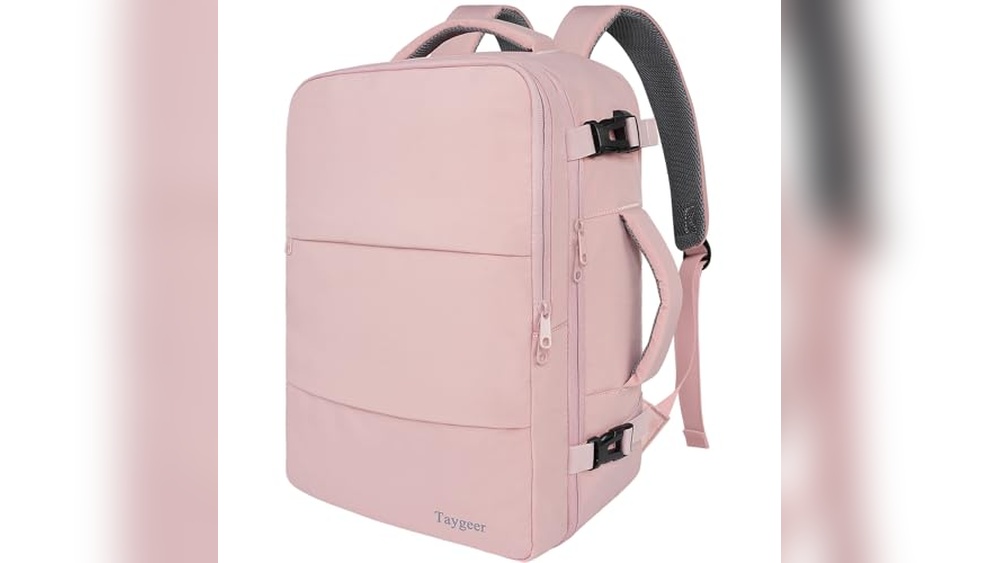
Are you looking for a simple way to stay hydrated on the move? Building a water-fed backpack can be the perfect solution.
Imagine having easy access to water without stopping your activity or carrying bulky bottles. In this guide, you’ll learn step-by-step how to create your own water-fed backpack that fits your needs. Whether you’re hiking, biking, or just out for a walk, this setup will keep you refreshed and ready.
Keep reading to discover the tools, tips, and tricks that make this project both easy and practical for you.
Materials Needed
Building a water fed backpack needs the right materials. Choosing the best parts makes the process easier. Use quality items for better results and longer use.
Water Reservoir Options
Select a water reservoir that holds enough water for your tasks. Common choices include hydration bladders or small water tanks. Look for ones made from durable, BPA-free plastic. A good reservoir should fit inside the backpack comfortably.
Tubing And Connectors
Pick flexible tubing that connects the reservoir to the spray system. Clear, food-grade tubing works well and shows water flow. Use tight connectors to prevent leaks. Quick-release connectors help with easy cleaning and refilling.
Backpack Selection
Choose a sturdy backpack with enough space for the reservoir and tubing. Look for padded straps for comfort during use. Water-resistant material protects your gear from spills. Compartments help keep tools organized and accessible.
Additional Tools And Accessories
Gather tools like scissors, clamps, and waterproof tape for assembly. A spray nozzle with adjustable pressure improves cleaning. Carry spare parts like extra tubing and connectors. A small wrench can help tighten fittings securely.
Designing The System
Designing the water fed backpack system is a key step. It shapes how well the system works. A good design makes cleaning easier and saves effort. Focus on water flow, pump choice, filters, and parts placement. These parts must work well together. Each affects the system’s power and weight. Planning carefully avoids problems later. The goal is a smooth, efficient system.
Planning The Water Flow
Water flow controls how fast water moves. Too little flow means poor cleaning. Too much wastes water and battery power. Calculate flow rate based on cleaning needs. Consider hose length and nozzle size. Keep flow steady for best results. Use valves to adjust flow easily. Ensure water reaches all parts without delay.
Choosing The Pump Type
Select a pump that fits your weight limits. Electric pumps are quiet and easy to use. Manual pumps save battery but need effort. Check pump pressure to match cleaning tasks. Low pressure may not remove dirt well. High pressure can waste water and drain battery. Pick a pump that balances power and efficiency.
Integrating The Filter
The filter cleans water before it reaches the nozzle. It protects the pump and improves cleaning. Choose a filter that removes dirt and debris. Make sure it is easy to clean or replace. Place the filter where water enters the system. A good filter extends the system’s life. It also stops clogging and damage.
Placement Of Components
Arrange parts for balance and comfort. Keep the weight close to your back. Place the pump near the bottom to lower center of gravity. Position the water tank for easy refill. Mount the filter where you can reach it quickly. Use secure straps to hold parts tight. Good placement reduces strain and improves control.
Assembly Process
The assembly process for a water fed backpack is simple but must be done carefully. Each step builds on the last, so follow the order closely. This guide breaks down the key steps to help you get started quickly.
Preparing The Backpack
Start by choosing a sturdy backpack with enough space. Remove any inside pockets or dividers to make room. Clean the backpack to avoid any dirt inside. Check for any holes or weak spots that might leak. Lay the backpack flat on a clean surface before adding parts.
Installing The Reservoir
Select a water reservoir that fits well inside the backpack. Place it in the main compartment, making sure it sits upright. Attach the reservoir’s cap tightly to avoid leaks. Use straps or bungee cords inside the backpack to hold it in place. Ensure easy access to the reservoir’s tube for water flow.
Connecting Tubing And Pump
Attach the tubing to the reservoir’s outlet securely. Run the tubing through the backpack’s openings or holes. Connect the tubing to the water pump firmly to prevent leaks. Position the pump where it is easy to reach. Test the pump by pressing it to check the water flow.
Securing Filters And Valves
Install a water filter inline with the tubing for clean water. Place valves at key points to control water flow. Use clamps or zip ties to secure filters and valves tightly. Ensure all connections are sealed to avoid leaks. Test the entire system by pumping water through it before use.
Testing And Troubleshooting
Testing and troubleshooting your water fed backpack is key to ensure it works well. Problems can occur, but most issues are simple to fix. Regular checks help avoid bigger troubles later.
Checking For Leaks
Start by inspecting all connections and hoses for wet spots. Small leaks waste water and lower pressure. Use a dry cloth to wipe connections and find moisture. Tighten fittings if you find any leaks. Replace damaged hoses to keep the system sealed.
Ensuring Proper Water Flow
Turn on the system and watch the water flow carefully. Water should move smoothly through the tubes without stopping. Blockages reduce cleaning power. Clean filters and nozzles if water flow is weak. Clear any dirt or debris stuck inside the tubes.
Adjusting Pump Pressure
Check the pump pressure using a gauge or feel the spray strength. Too high pressure can damage the system. Too low pressure means weak cleaning. Adjust the pump settings to find the right balance. Follow the pump manual for exact steps.
Maintaining The System
Regular care keeps your backpack working longer. Flush the system with clean water after each use. Store the backpack in a dry place to avoid mold. Inspect parts monthly for wear and tear. Replace worn parts before they cause problems.
Usage Tips
Using a water fed backpack correctly helps you get the best results. Proper care and handling extend its life. Follow these simple tips for smooth use and lasting performance.
Filling And Refilling
Fill the backpack with clean water only. Avoid using dirty or untreated water. Check the water level often during use. Refill before the tank is empty to keep steady flow. Use a funnel to avoid spills. Close the cap tightly after filling to prevent leaks.
Cleaning And Storage
Clean the backpack after each use. Flush the tank and hoses with clean water. Let all parts dry completely before storing. Store in a cool, dry place away from direct sunlight. Avoid folding the hoses sharply. This prevents damage and keeps the backpack ready.
Safety Precautions
Do not drink the water inside the backpack. Use only for cleaning tasks. Check hoses and connectors for cracks or leaks before use. Replace damaged parts immediately. Avoid using near electrical outlets or devices. Keep the backpack away from sharp objects.
Optimizing Performance
Keep the water pressure steady for best cleaning. Use filtered water to avoid clogging. Clean nozzles regularly to maintain spray quality. Adjust straps for comfort and stability. Check all connections to prevent leaks. Practice using the backpack to improve control.
Frequently Asked Questions
What Materials Are Needed To Build A Water Fed Backpack?
You need a water tank, hose, pump, backpack frame, and brush system. These parts ensure portability and efficient water delivery for cleaning tasks.
How Does A Water Fed Backpack Work For Cleaning?
It uses a pump to send purified water through a hose to a brush. This system cleans surfaces without chemicals, improving safety and results.
Can I Build A Water Fed Backpack Myself?
Yes, with basic plumbing skills and the right materials, you can build one. Follow instructions carefully to ensure safety and functionality.
What Are The Benefits Of Using A Water Fed Backpack?
It offers mobility, uses pure water for streak-free cleaning, and reduces water waste. It’s eco-friendly and ideal for window and solar panel cleaning.
Conclusion
Building a water fed backpack is simple and useful. Follow the steps carefully to avoid mistakes. Use good materials for better results and longer use. Stay safe by checking all parts before use. Practice makes perfect, so try it a few times.
This tool will help you clean windows faster and easier. Keep learning and improving your skills with each build. Your effort will pay off in the end. Keep it handy for quick cleaning jobs anytime. Easy, smart, and effective—just what you need.