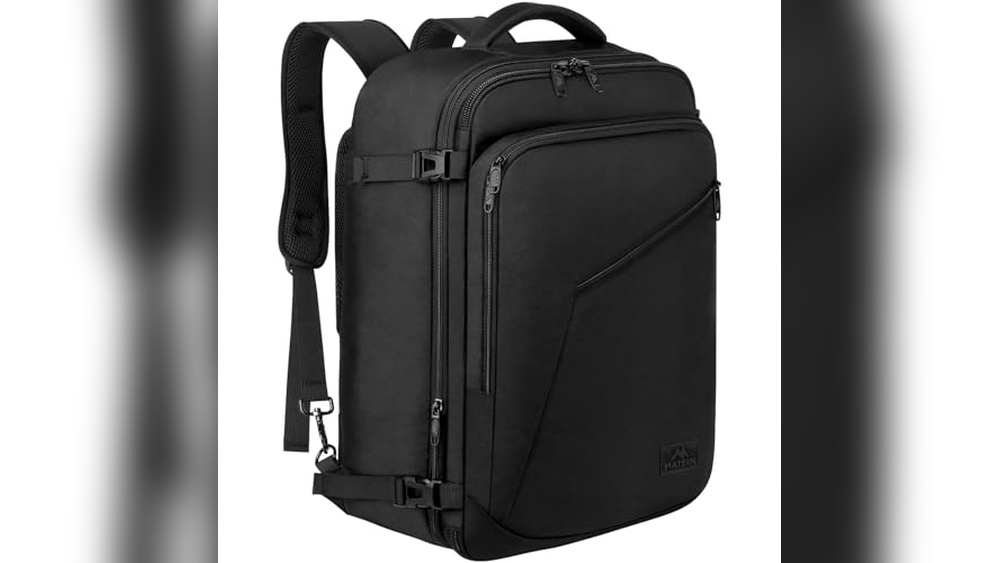
When you’re out backpacking, staying hydrated isn’t just important—it’s essential. But how do you make sure you carry enough water without overloading your pack?
Getting this balance right can be tricky, and running low on water can turn your adventure into a struggle. You’ll discover simple, practical tips to bring just the right amount of water. You’ll learn how to plan smarter, pack lighter, and stay refreshed throughout your trip.
Keep reading to make your backpacking experience safer and more enjoyable.
Choosing The Right Water Container
Choosing the right water container is key for a successful backpacking trip. It affects how much water you can carry and how easy it is to drink. Picking a container that fits your needs helps you stay hydrated and comfortable on the trail.
Think about the type of container, how much water it holds, and how easy it is to use. Your choice should match your hiking style and the trip length.
Types Of Water Bottles
Water bottles come in many shapes and materials. Plastic bottles are light and cheap. Metal bottles last longer and keep water cool. Collapsible bottles save space when empty. Choose one that feels good to carry and drink from.
Hydration Bladders Benefits
Hydration bladders fit inside your backpack. They have a tube for easy drinking without stopping. This helps keep you hydrated on the move. They hold a lot of water but can be hard to clean. They work well for long hikes.
Water Storage Capacity
Think about how much water you need each day. Carry more for hot weather or tough trails. Most people carry 2 to 4 liters daily. Use containers that match this amount without making your pack too heavy.
Estimating Your Water Needs
Estimating your water needs is a key part of backpacking preparation. Carrying enough water keeps you safe and energized. Too little water can cause dehydration and slow you down. Too much water adds weight and makes hiking harder. Knowing how much to carry helps you plan better and enjoy your trip.
Factors Influencing Water Consumption
Your water needs change based on several factors. Your body size and fitness level matter. Bigger or more active people need more water. The length and difficulty of your hike also affect use. Hot weather and dry air increase how much you sweat. Cold weather might reduce thirst but you still need water. Always think about your personal needs and conditions.
Calculating Daily Water Intake
Start with a base of about 2 liters per day. This suits moderate activity in mild weather. Add 0.5 liters for every hour of hiking. Drink more if you sweat heavily. Divide your water intake into small sips throughout the day. This helps your body absorb fluids better. Carry a little extra water for emergencies or delays.
Adjusting For Climate And Terrain
Hot and dry climates increase water loss quickly. You may need double your usual amount. Mountain hikes with steep climbs also raise water needs. High altitudes cause faster breathing and more water loss. In cold or wet climates, drink regularly even if not thirsty. Plan to refill water at natural sources if possible. Always carry a reliable water filter or purifier.
Finding Water Sources On The Trail
Finding water sources on the trail is vital for every backpacker. Carrying all the water needed can be heavy and tiring. Knowing where to find water helps you pack lighter and stay hydrated. This section covers natural water sources, map and app use, and signs of nearby water.
Natural Water Sources
Rivers, lakes, and streams are common natural water sources. Springs and small creeks also provide fresh water. Collect water from flowing sources, not stagnant pools. Avoid water near animal activity or dirty areas. Always treat natural water before drinking.
Using Maps And Apps
Topographic maps show rivers, lakes, and springs clearly. Water sources often appear in blue. Many hiking apps mark water spots and campsites. Download maps and apps before your trip. Use them to plan water stops along your route.
Signs Of Nearby Water
Look for green plants and lush vegetation. These often grow near water. Listen for bird calls or running water sounds. Animal tracks may lead to water sources. Low areas and valleys usually hold water in dry regions.
Water Purification Methods
Carrying enough water is vital for safe backpacking. Purifying water removes germs and makes it safe to drink. Various methods suit different trips and water sources. Choose a method that fits your gear and time.
Boiling Techniques
Boiling water kills almost all harmful germs. Bring water to a rolling boil for at least one minute. At higher altitudes, boil for three minutes. Boiling is simple but needs fuel and a pot. It also cools water before drinking.
Filters And Purifiers
Water filters remove bacteria and protozoa by straining water. Many use a small pump or gravity to push water through. Purifiers also kill viruses, which filters may miss. Filters work fast and need little fuel. Clean filters regularly for best use.
Chemical Treatments
Tablets or drops can kill germs in water. Common chemicals include iodine and chlorine dioxide. Drop chemicals in water and wait 30 minutes to 4 hours. Chemical treatments are light and easy to carry. Taste may change, but it’s safe to drink.
Packing And Managing Water Efficiently
Packing and managing water efficiently is key for a good backpacking trip. Water is heavy and takes up space. Carrying too much can slow you down. Carrying too little can be risky. Balance is important. Plan how much water you need and how to carry it well.
Weight Distribution Tips
Place water containers close to your back. This keeps your center of gravity stable. Use side pockets for smaller bottles. Avoid putting all water in one spot. Spread out the weight evenly. Heavy water at the bottom helps with balance. Check your pack often to stay comfortable.
Protecting Your Water Supply
Keep water bottles clean and sealed tight. Use covers to protect from dirt and damage. Avoid placing bottles near sharp objects. Freeze some water bottles before the trip to keep water cool. Use durable containers to avoid leaks. Always check for cracks before packing. Clean bottles after each use.
Refilling Strategies
Know where to find water on your route. Use a reliable water filter or purifier. Fill bottles when you stop for breaks. Avoid drinking directly from streams without treating water. Carry a collapsible water bag for extra storage. Plan refills at safe water sources only. Keep track of your water levels daily.
Emergency Water Solutions
Running out of water on a backpacking trip can be dangerous. Carrying enough water is important, but sometimes supplies run low. Knowing how to find emergency water helps you stay safe. These methods use natural sources around you. They need little equipment and can work in tough situations.
Collecting Rainwater
Rainwater is one of the cleanest natural water sources. Use a tarp, poncho, or large leaves to catch rain. Place a container under the collection point. Keep water covered to avoid dirt and bugs. Always boil or treat rainwater before drinking to kill germs.
Using Snow And Ice
Snow and ice can provide water in cold areas. Melt snow slowly over a fire or with body heat. Do not eat snow directly; it lowers body temperature. Use a clean container to collect melted water. Treat the water after melting to ensure safety.
Improvised Water Collection
Look for plants that store water, like cacti or vines. Cut leaves or stems and collect the liquid inside. Use a plastic bag tied around leafy branches to catch moisture from the air. Morning dew can be wiped from plants with a cloth. Always purify any collected water before drinking.
Frequently Asked Questions
How Much Water Should I Carry Backpacking?
Carry at least 2 to 3 liters per day, depending on weather and activity. Adjust for heat and exertion levels to stay hydrated.
What Are The Best Water Storage Options For Backpacking?
Use lightweight, durable bottles or hydration bladders. Collapsible water bags save space and are convenient for refilling on the trail.
How Can I Find Water Sources While Backpacking?
Research trail maps and apps for reliable water points. Look for streams, lakes, and springs, but always treat water before drinking.
Should I Treat Water During Backpacking Trips?
Yes, always treat water to avoid harmful bacteria and parasites. Use filters, purifiers, or chemical tablets for safe drinking water.
Conclusion
Carrying enough water keeps you safe and strong on the trail. Plan your water needs before you start your trip. Use containers that are easy to carry and refill. Always know where water sources are along your route. Treat water properly to avoid getting sick.
Stay hydrated by drinking regularly, not just when thirsty. With these tips, your backpacking trip will be more enjoyable and worry-free. Water is simple but important. Stay prepared and enjoy your adventure fully.