Planning to backpack across the US without breaking the bank? You’re in the right place.
Traveling on a tight budget doesn’t mean you have to miss out on amazing experiences. Imagine exploring stunning landscapes, vibrant cities, and hidden gems—all while keeping your wallet happy. In this guide, you’ll discover simple tips and tricks to save money on everything from transportation to food and accommodation.
Ready to make your backpacking adventure affordable and unforgettable? Let’s dive in and start planning your budget-friendly US trip today!
Planning Your Budget Trip
Planning a budget trip in the US can make your adventure fun and affordable. You must think carefully about where to go, when to travel, and how much to spend. These steps help you enjoy your trip without stress. Smart planning saves money and time. It lets you see more places on less budget.
Choosing Affordable Destinations
Pick places where prices are low for food and stay. Cities in the Midwest often cost less than big coastal cities. National parks and small towns offer great experiences at low prices. Avoid popular tourist spots that charge high fees. Search for places with free or cheap attractions. This keeps your daily costs down.
Best Travel Seasons
Travel during off-peak months to find better deals. Spring and fall often have fewer visitors and lower prices. Avoid summer and holiday seasons when costs rise. Weather is still nice in many places outside peak times. Booking early can also lock in cheap flights and hotels. Timing your trip well stretches your budget further.
Setting A Realistic Budget
Calculate daily costs for food, travel, and lodging. Include extra money for emergencies and fun activities. Keep track of expenses to avoid overspending. Use apps or notes to manage your budget. Set a limit and stick to it during your trip. This keeps your spending under control and stress low.
Finding Cheap Transportation
Finding cheap transportation is key to backpacking across the US on a tight budget. Travel costs often take a big part of your trip expenses. Saving money here means more cash for food, activities, and places to stay. Many budget options exist beyond traditional flights or car rentals. Exploring these can stretch your dollars further and open new travel experiences.
Budget Airlines And Deals
Budget airlines offer low fares on many routes in the US. These airlines cut costs by removing extras like free checked bags. Booking early helps secure the best prices. Sign up for airline newsletters to catch flash sales and discounts. Flying mid-week or at odd hours often costs less. Watch for hidden fees to avoid surprises at checkout.
Using Buses And Trains
Buses and trains provide affordable travel between cities and towns. Bus companies like Greyhound and Megabus serve many US routes cheaply. Trains offer scenic rides and can be cheaper with advance tickets. Both options let you relax while someone else drives. Carry snacks and water to save money on stops. Booking tickets online usually brings discounts and seat options.
Carpooling And Rideshares
Carpooling helps share travel costs with others heading the same way. Rideshare apps connect drivers and passengers for cheaper trips. This option also reduces the number of cars on the road. Check community boards or travel groups for carpool plans. Always confirm details and safety before joining a ride. Splitting gas and tolls makes longer trips more affordable.
Affordable Accommodation Options
Finding cheap places to stay is key for budget backpacking in the US. Affordable accommodation helps save money. This lets you spend more on experiences and food. Many options exist beyond expensive hotels. Each offers a unique way to enjoy your trip.
Hostels And Budget Hotels
Hostels are a favorite for backpackers. They offer shared rooms and low prices. Some hostels have private rooms too. Budget hotels provide simple rooms at fair rates. Both options include basic comforts. You meet other travelers and share tips. Booking early can secure the best deals.
Camping And Outdoor Stays
Camping is very affordable and fun. Many national parks have campgrounds with low fees. You can rent tents or bring your own. Outdoor stays connect you with nature. It’s quiet, peaceful, and saves money. Make sure to check rules before setting up camp.
Couchsurfing And Home Exchanges
Couchsurfing lets you stay with locals for free. It’s a chance to learn about the area from residents. Home exchanges swap your home with someone else’s. This cuts accommodation costs to zero. Both require trust and good communication. Profiles and reviews help find safe hosts.
Saving On Food And Drinks
Saving money on food and drinks is key to backpacking cheaply in the US. Eating out often can quickly drain your budget. Simple steps can cut your daily food costs while keeping meals tasty and filling. Planning ahead helps you enjoy good food without overspending.
Cooking Your Own Meals
Buy groceries at local stores and prepare your own meals. Cooking saves money compared to eating at restaurants. Choose easy recipes with few ingredients. Carry a small stove or use hostel kitchens. Make sandwiches, pasta, or rice dishes for quick meals. This way, you control what you eat and spend less.
Eating At Local Markets
Local markets offer fresh produce and snacks at low prices. Visit farmers’ markets or street vendors for fruits and vegetables. Markets often have ready-to-eat meals that cost less than restaurants. Trying local foods here also gives a taste of the culture. Shopping at markets can reduce your daily food expenses.
Finding Cheap Eats
Look for diners, food trucks, and small cafes with low prices. Many places offer lunch specials or combo meals. Ethnic neighborhoods often have affordable and delicious food options. Use apps or ask locals for the best cheap restaurants. Eating at these spots helps stretch your budget further.
Free And Low-cost Activities
Traveling across the US does not need to be expensive. Many free and low-cost activities let you explore and enjoy without spending much money. These options help you see the real America while saving your budget.
Choose activities that fit your interests and budget. You can find nature, culture, and fun in many places. Here are some ideas to get started.
Exploring National Parks
National parks offer stunning views and fresh air. Many parks have free entry days each year. Hiking trails, wildlife watching, and picnic spots are usually free. Pack a lunch and spend the day outside. Nature is the best cost-free adventure.
City Walking Tours
Walking tours give you a feel of local life. Some cities offer free guided tours by volunteers. Self-guided tours with maps or apps are also easy to find. Walk through neighborhoods, historic sites, and markets. It costs little and teaches a lot.
Museums And Cultural Events
Many museums have free or reduced-price entry on certain days. Check local schedules for art shows, music festivals, and cultural fairs. These events show the city’s spirit and history. Enjoy learning without paying high fees.
Packing Smart And Light
Packing smart and light is key to budget backpacking in the US. Carrying less saves money on transport and makes travel easier. It lets you move faster and enjoy more places without stress. Focus on what you truly need and leave behind what you don’t.
Choosing the right gear and packing efficiently helps you stay within budget. It also reduces the chance of paying extra fees for heavy bags. Smart packing means less weight and more freedom to explore.
Essential Gear For Budget Backpacking
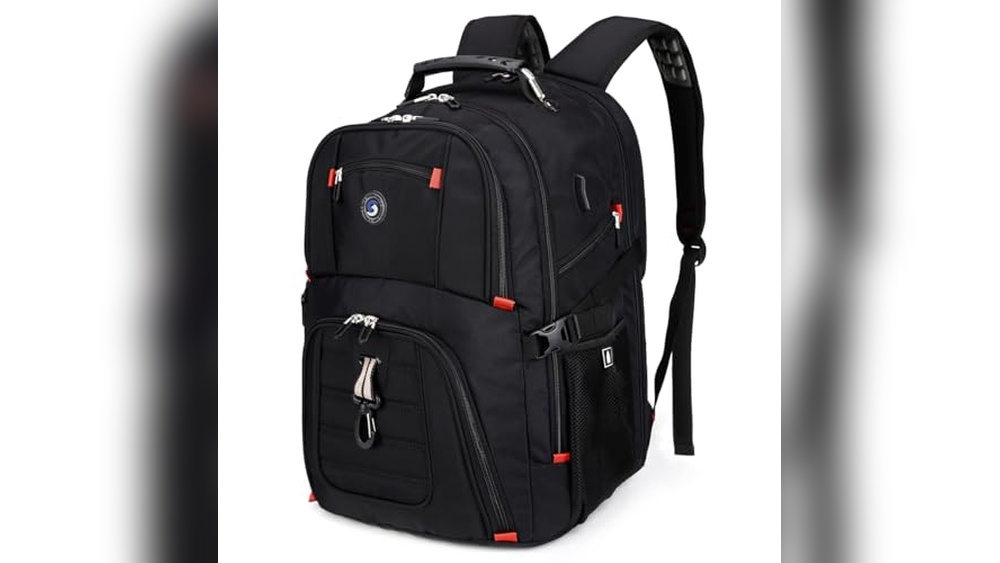
Start with a sturdy, lightweight backpack. Pick one that fits your body well. Bring a compact sleeping bag suited to the season. A reusable water bottle saves money and keeps you hydrated. Pack versatile clothes that dry quickly and layer easily. A small first aid kit and multi-tool add safety and convenience. Avoid bulky or duplicate items to keep weight down.
Packing Tips To Save Space And Weight
Roll clothes instead of folding to save space. Use packing cubes or compression bags to organize. Wear your heaviest shoes and jacket while traveling. Limit toiletries to travel-size essentials only. Choose electronic devices that serve multiple purposes. Leave books and heavy guides at home; use apps instead. Regularly review your pack to remove unused items.
Avoiding Extra Fees
Check airline and bus luggage rules before packing. Stay within size and weight limits to avoid fees. Use a luggage scale at home to weigh your bag. Carry essential documents and valuables in a small daypack. Avoid packing liquids over the allowed amount. Choose carry-on only travel if possible. Being mindful of fees saves money for adventures.
Staying Safe And Healthy
Backpacking in the US can be fun and cheap. Staying safe and healthy is key to enjoying your trip. It helps you avoid problems and keeps your journey smooth. A few smart steps can protect your health and security while saving money.
Travel Insurance On A Budget
Travel insurance covers illness, injury, and lost belongings. Choose a plan that fits your budget and covers essentials. Compare prices online and read reviews. Look for policies that include emergency care and trip cancellations. A small daily fee can save you big costs later.
Staying Healthy On The Road
Drink clean water and eat fresh food. Carry hand sanitizer and wash hands often. Rest well and avoid too much sun. Keep a small first aid kit with you. Stay active, but listen to your body. Avoid risky foods and crowded places to reduce illness.
Safety Tips For Backpackers
Keep your valuables close and use a money belt. Stay in well-reviewed hostels or safe campsites. Share your plans with friends or family. Avoid walking alone at night in unknown areas. Trust your instincts and leave if a place feels wrong. Learn basic local emergency numbers before traveling.
Money Management Tips
Managing money well is key to backpacking cheaply in the US. Careful planning and smart choices help stretch your budget. Saving a little each day adds up fast. Let’s explore easy ways to handle your money on the road.
Using Cash And Cards Wisely
Carry a mix of cash and cards. Use cash for small buys and tips. Cards work best for bigger expenses and emergencies. Check for cards with no foreign fees. Avoid using credit cards in places that seem unsafe. Keep some cash hidden as backup.
Tracking Expenses
Write down every cost daily. Use a simple app or notebook. This keeps you aware of spending habits. Adjust your budget if you spend too much. Tracking prevents surprises and keeps money in check.
Avoiding Common Money Traps
Skip tourist traps with high prices. Eat where locals eat for cheaper meals. Beware of ATM fees; use machines wisely. Don’t buy souvenirs impulsively. Plan transport in advance to avoid costly last-minute fares.
Frequently Asked Questions
What Is The Cheapest Way To Backpack In The Us?
The cheapest way is to plan ahead, use public transport, and camp. Cooking your meals and staying in hostels also saves money. Avoid peak seasons for lower prices and use discount apps for deals.
How Can I Find Affordable Accommodation While Backpacking?
Look for hostels, budget motels, and campgrounds. Use platforms like Hostelworld and Airbnb for deals. Couchsurfing is a free option to meet locals and save on lodging costs.
What Are The Best Budget-friendly Us Cities For Backpacking?
Cities like Austin, Portland, and Denver offer affordable hostels and cheap eats. These cities have great public transport and outdoor activities for low-cost entertainment.
How Do I Save Money On Food While Backpacking?
Buy groceries and cook your meals instead of eating out. Visit local markets for fresh and cheap produce. Carry snacks and refill water to avoid extra expenses.
Conclusion
Backpacking in the US can be affordable and fun. Plan your trip with care. Choose budget stays and cheap transport. Eat local food to save money. Take free activities and explore nature. Stay safe and pack light. Travel smart, enjoy every moment.
Your adventure awaits without high costs. Simple steps lead to great memories. Start your journey with confidence today.