Have you ever stood in front of a wall full of backpacks and wondered, “How many litres should my backpack really hold?” Choosing the right size can make all the difference in comfort and convenience.
Whether you’re packing for a day trip, a weekend getaway, or a longer adventure, knowing the standard backpack litres helps you avoid carrying too much or too little. Keep reading to discover exactly what backpack size fits your needs and how to make your next trip easier and more enjoyable.
Backpack Capacity Basics
Choosing the right backpack starts with understanding its capacity. Backpack capacity tells you how much space is inside. It helps you know what and how much you can carry. This is important for school, travel, hiking, or daily use. Knowing backpack size makes packing easier and more organized.
Backpack size is usually measured in litres. This number shows the volume inside the bag. Different activities need different backpack sizes. Let’s explore what litres mean and the common sizes you can find.
What Litres Mean In Backpacks
Litres measure the total volume of a backpack. This means how much space is inside the bag. The bigger the number, the more stuff it can hold. For example, a 20-litre backpack holds less than a 40-litre one. It helps you choose a bag that fits your needs.
Backpack volume includes all pockets and compartments. It shows the full carrying capacity. This helps you plan what to pack for your trip or daily use. Knowing litres avoids buying a bag that is too small or too big.
Common Backpack Sizes
Backpacks come in many sizes. Small backpacks usually range from 10 to 20 litres. These work well for school or short trips. Medium backpacks range from 20 to 35 litres. They fit more clothes and gear for day hikes or work.
Large backpacks hold 40 litres or more. These are great for long trips or camping. Some backpacks go up to 70 litres for heavy loads. Pick a size that matches your activities and how much you carry daily.
Standard Backpack Sizes
Backpacks come in many sizes. Each size fits different needs and uses. Understanding standard backpack sizes helps you pick the right one. The size is often measured in litres. This tells you how much space the backpack offers.
Backpacks range from small daypacks to large hiking packs. Each has a typical litre range. Knowing these ranges makes shopping easier. It also ensures your backpack holds what you need.
Daypacks And Small Backpacks
Daypacks usually hold between 10 and 20 litres. They are perfect for short trips or daily use. These backpacks carry essentials like a water bottle, snacks, and a light jacket. Small backpacks are light and easy to carry. They fit school, work, or quick outings well.
Medium-sized Backpacks
Medium backpacks range from 20 to 35 litres. They suit longer days or light travel. These packs hold more items, such as extra clothes and gadgets. Many use these for hiking, commuting, or weekend trips. They balance capacity and comfort effectively.
Large And Hiking Backpacks
Large backpacks start at 35 litres and can exceed 70 litres. Hiking and camping backpacks often fall in this group. They store bulky gear, food, and camping supplies. These backpacks have many compartments and support systems. They help carry heavy loads comfortably over long distances.
Choosing The Right Size
Choosing the right size backpack matters a lot. The size affects comfort and how much you can carry. A backpack too big or too small causes problems. It is important to find one that fits your needs well.
Purpose And Usage
Think about what you will use the backpack for. Daily use needs less space than hiking or traveling. School backpacks usually hold 20 to 30 litres. Hiking backpacks start at 40 litres or more. Match the backpack size with your daily activities.
Body Size And Fit
Your body size affects the best backpack size. Taller people can carry bigger backpacks comfortably. Shorter people need smaller backpacks to avoid strain. Check the backpack’s straps and back support. A good fit reduces pain and improves posture.
Packing Style Considerations
How you pack affects the size you need. Minimalists pack light and need smaller backpacks. Those who carry extra gear need bigger bags. Organize your items and check the space required. Leave room for unexpected things you may carry.
Backpack Features Affecting Capacity
The capacity of a backpack depends on many features. These features change how much you can carry. Understanding these details helps you choose the right backpack size. Capacity is not just about the main space. Other parts of the backpack add to how much you can fit inside.
Compartments And Pockets
Compartments divide the main space into sections. They help organize your items neatly. More compartments can reduce the main space but improve storage. Pockets on the outside or inside add extra room. Small pockets hold things like keys or phones. Big compartments store books, clothes, or laptops.
Expandable Sections
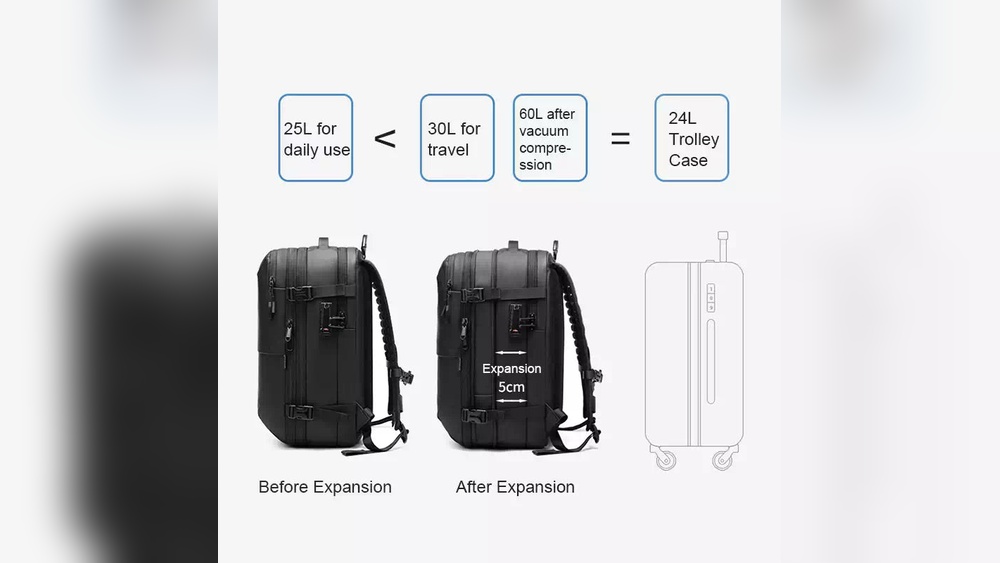
Expandable sections let the backpack grow bigger. Zippers or folds open extra space when needed. This feature increases the litres capacity temporarily. It offers flexibility for carrying more items. When not expanded, the backpack stays slim and light. Expandable backpacks suit changing storage needs.
External Attachments
External attachments add space without increasing main volume. Straps and loops hold items outside the bag. You can attach water bottles, sleeping bags, or tools. These attachments free up space inside the backpack. They also make carrying bulky items easier. External options improve total carrying capacity significantly.
Measuring Your Backpack Volume
Measuring your backpack volume helps you understand its capacity. This measurement shows how much space is inside. Knowing the volume helps you pick the right backpack for your needs. It also helps when packing for trips or school.
Methods To Calculate Litres
You can estimate the volume by measuring the backpack’s dimensions. Measure the height, width, and depth in centimeters. Multiply these three numbers. This gives you the volume in cubic centimeters. Divide this number by 1000 to get litres. This method works well for simple-shaped backpacks.
For backpacks with many pockets or rounded shapes, this method is less accurate. In such cases, try to break the backpack into sections and measure each part separately. Then add all volumes together to get a better estimate.
Tools And Techniques
Use a tape measure or ruler to get accurate dimensions. A flexible tape measure works best for curved surfaces. You can also fill the backpack with water or small balls. Then pour the content into a measuring container. This gives a practical volume measurement.
Some online tools or apps help calculate volume by entering dimensions. These tools simplify the process and reduce errors. Always check the backpack’s label for volume details. It is often listed in litres for your reference.
Popular Backpack Brands And Their Sizes
Popular backpack brands offer a wide variety of sizes. Each brand designs backpacks for different uses. Some focus on school bags, while others make hiking packs. Knowing brand sizes helps choose the right backpack volume. This section explores well-known brands and their common sizes.
Top Brands Overview
Brands like JanSport, The North Face, and Osprey lead the market. JanSport is famous for casual and school backpacks. The North Face designs packs for outdoor and travel use. Osprey focuses on hiking and adventure backpacks. Each brand has a unique style and size range.
Size Range Examples
JanSport backpacks usually hold between 20 and 30 litres. These sizes fit daily school needs and small trips. The North Face offers packs from 25 to 50 litres. These sizes support hiking and longer travel. Osprey backpacks range from 30 to 70 litres. Larger sizes suit multi-day hiking and camping.
Tips For Buying The Right Backpack
Choosing the right backpack is important for daily use or travel. A good backpack fits well, feels comfortable, and holds the right amount of items. Knowing how many litres a standard backpack holds helps you pick the best size. Use these tips to find a backpack that suits your needs perfectly.
Trying Before Buying
Always try on the backpack before buying. Put some weight inside to feel how it carries. Walk around the store to check if it fits your body. This helps avoid buying a bag that feels heavy or awkward later.
Adjustability Features
Look for backpacks with adjustable straps. Shoulder straps and chest straps should tighten or loosen easily. An adjustable hip belt adds support and spreads weight evenly. These features make the backpack fit better and improve comfort.
Weight And Comfort
Choose a lightweight backpack to reduce strain on your shoulders. Padding on the back and straps adds comfort. Check if the bag has ventilation to keep your back cool. Comfort helps you carry your bag longer without pain.
Frequently Asked Questions
What Is The Average Size Of A Standard Backpack In Litres?
A standard backpack usually ranges between 20 to 35 litres. This size suits daily use and short trips, offering enough space for essentials without being bulky.
How Many Litres Is A Typical School Backpack?
A typical school backpack is about 20 to 30 litres. This size fits books, notebooks, and a laptop comfortably for everyday school needs.
What Backpack Size Is Best For Day Hikes?
For day hikes, backpacks between 20 and 30 litres are ideal. They provide enough space for water, snacks, and extra clothing without excess weight.
How Many Litres Do Travel Backpacks Usually Have?
Travel backpacks commonly range from 40 to 70 litres. This size accommodates clothing, gear, and travel essentials for multi-day trips.
Conclusion
Choosing the right backpack size depends on your needs and plans. Most standard backpacks hold between 20 and 30 litres. This size fits daily items and some extra gear. Larger backpacks offer more space but can feel heavy. Smaller ones are light but may not carry much.
Think about what you carry every day. Pick a backpack that feels comfortable and fits your style. This way, you stay ready without carrying too much. Simple and smart choices make your trips easier and more fun.