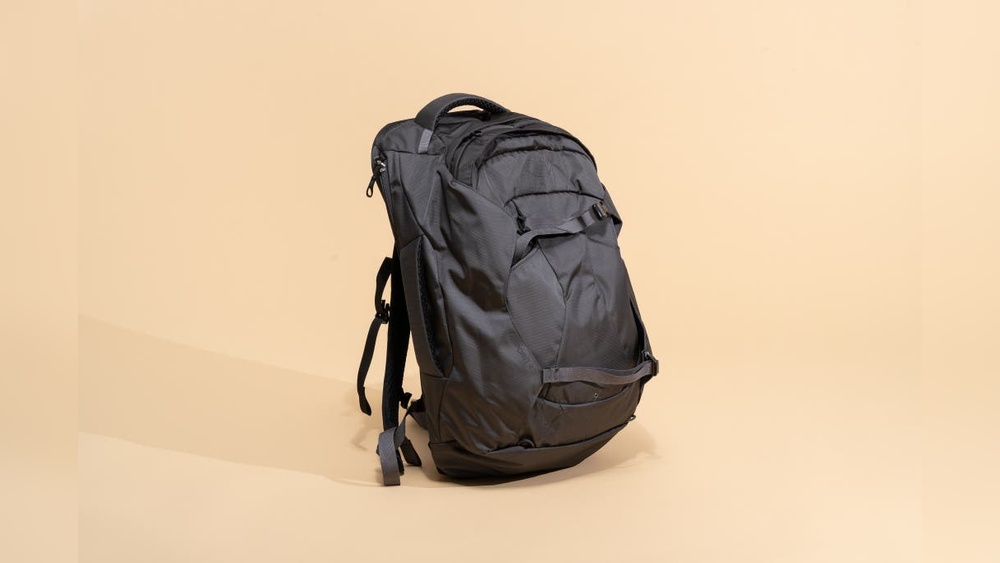
Have you ever struggled with adjusting your backpack straps, only to find them twisted or loose? Knowing how to thread a backpack strap correctly can make all the difference in comfort and support.
Whether you’re hiking, commuting, or just carrying your essentials, a properly threaded strap keeps your backpack secure and easy to wear. In this guide, you’ll discover simple steps that anyone can follow to fix or adjust your straps quickly. Ready to take control of your backpack’s fit and feel?
Let’s dive in and make your gear work for you.
Choosing The Right Strap
Choosing the right strap for your backpack matters a lot. A good strap makes carrying easier and more comfortable. Picking the wrong strap can cause pain or damage. Knowing the basics helps you pick the best one for your needs.
Types Of Backpack Straps
Backpack straps come in many styles. Shoulder straps are padded and wide. They spread weight evenly across your shoulders. Chest straps connect the shoulder straps. They keep the backpack stable during movement. Waist straps help carry the weight on your hips. This reduces pressure on your back. Each type serves a different purpose.
Material Considerations
Straps can be made from nylon, polyester, or leather. Nylon is strong and resists wear. Polyester handles water better and dries fast. Leather looks good but can be heavy. Choose a material that matches your use. Outdoor users need tough, water-resistant straps. Casual users might prefer comfort and style.
Length And Width Options
Straps come in various lengths and widths. Wide straps spread weight better and feel softer. Narrow straps are lighter but can dig into skin. Adjustable length is important for the right fit. Check if the strap fits your body size. A well-fitted strap improves comfort and balance.
Tools Needed For Threading
Threading a backpack strap requires the right tools. These tools make the process smooth and fast. Without them, threading can become frustrating. Knowing what you need helps you prepare better and avoid mistakes.
Essential Tools
- Backpack Strap – The strap itself is necessary to thread.
- Buckle or Clip – Needed to secure the strap after threading.
- Scissors – To cut the strap to the correct length.
- Lighter – To melt and seal the strap edges to stop fraying.
- Needle or Threader – Helps guide the strap through tight loops or buckles.
Optional Accessories
- Pliers – Useful for pulling the strap through tough spots.
- Measuring Tape – To measure strap length accurately.
- Clips or Clamps – Hold the strap in place during threading.
- Seam Ripper – Removes old stitches if you need to replace the strap.
Preparing The Strap
Preparing the strap is the first step in threading a backpack strap. It helps make the process smooth and prevents problems. You need to check the strap and get it ready for threading. This saves time and avoids frustration later.
Proper preparation also keeps the strap safe from damage. It helps the strap fit well and work as it should. Taking time to prepare the strap leads to better results and a strong hold.
Inspecting The Strap
Look closely at the strap before you start. Check for tears, frays, or worn spots. These can cause the strap to break or slip. Make sure the stitching is strong and not loose. Also, check the hardware like buckles or clips. They should move freely and not be broken.
Inspect both ends of the strap. Look for any dirt or sticky residue. Clear any debris that may block smooth threading. A clean, strong strap is easier to work with and lasts longer.
Trimming And Cleaning Ends
Cut any loose threads or frayed edges with scissors. This prevents snagging and keeps the strap neat. Use sharp scissors for a clean cut. Avoid cutting too much; just trim the damaged parts.
Wipe the ends with a damp cloth to remove dirt. Let them dry completely before threading. Clean ends slide through buckles better. This step helps the strap move smoothly and fit securely.
Threading Techniques
Threading techniques help you adjust backpack straps properly. Correct threading keeps the straps secure and comfortable. It also prevents slipping and wear over time.
Standard Threading Method
Start by feeding the strap through the main slot on the backpack. Pull it through until you have enough length. Next, loop the strap back through the second slot. This creates a tight hold on the strap. Make sure the strap lies flat and does not twist. This method fits most backpacks and keeps straps firm.
Using Buckles And Adjusters
Slide the strap through the buckle’s front opening first. Pull it to the desired length. Then, thread the strap through the adjuster’s back opening. The adjuster locks the strap in place. Check that the buckle and adjuster are not loose. This technique allows quick changes and secure fitting.
Securing The Strap End
After threading, tuck the strap end under itself or a loop. This prevents the strap from dangling or catching on things. You can also use a small clip or Velcro band. Secure ends avoid tripping and keep the backpack neat. Always trim excess strap if needed, leaving a little extra for adjustments.
Adjusting For Comfort
Adjusting your backpack straps is key to comfort on the go. Proper adjustment helps you avoid pain and fatigue. It also keeps your load steady and safe. Small changes make a big difference in your daily carry. Follow these steps to find the best fit and balance weight well.
Finding The Perfect Fit
Start by loosening all straps. Put the backpack on and pull the shoulder straps down. Adjust them so the pack sits snugly against your back. The bottom of the pack should rest near your hips. Avoid letting it hang too low or ride too high. Tighten the straps just enough to keep the pack stable. You want comfort, not tightness that restricts movement.
Balancing Weight Distribution
Even weight spread reduces strain on your shoulders and back. Use the hip belt to carry most of the pack’s weight. Tighten it so it fits firmly around your hips. Shoulder straps should only support the pack lightly. Check the sternum strap if your pack has one. It helps keep the shoulder straps from slipping. This balance lets you carry heavier loads longer without pain.
Troubleshooting Common Issues
Threading a backpack strap can sometimes lead to small problems. These issues can stop your backpack from fitting right or feeling comfortable. Fixing these problems helps keep your backpack working well and lasting longer. Below are common problems and easy ways to solve them.
Strap Twisting
Strap twisting happens when the strap folds or turns during threading. This makes the strap uncomfortable and hard to adjust. To fix this, straighten the strap before threading it through the buckle. Keep the strap flat and smooth as you pull it through. Check often to avoid twists. A straight strap fits better and feels nicer on your shoulder.
Slipping And Loosening
Slipping occurs if the strap does not stay tight. This can make the backpack loose and unstable. To stop slipping, thread the strap carefully through all buckle parts. Pull the strap tight and test by tugging gently. If the strap still slips, try adjusting the buckle or using a different threading method. A tight strap keeps your load secure and steady.
Damage Prevention Tips
Prevent damage by threading straps slowly and carefully. Avoid forcing the strap through tight spaces. This can cause fraying or tears. Trim any loose threads to stop more damage. Use clean hands to keep straps free from dirt and oils. Store your backpack in a dry place to protect the straps from wear. Good care extends the life of your backpack straps.
Frequently Asked Questions
How Do I Start Threading A Backpack Strap?
Begin by locating the strap end and the buckle. Insert the strap through the buckle’s opening. Pull the strap to adjust length.
What Tools Are Needed To Thread A Backpack Strap?
No special tools are required. Usually, threading can be done by hand. A small flathead screwdriver may help loosen buckles if tight.
How To Fix Twisted Backpack Straps During Threading?
Remove the strap completely and lay it flat. Ensure the strap lies straight before re-threading through the buckle.
Can I Thread A Backpack Strap Backward?
Threading backward may cause strap slippage and discomfort. Always follow the buckle’s natural threading direction for secure fit.
Conclusion
Threading a backpack strap is simple with clear steps. Follow the guide carefully to avoid mistakes. Take your time and check each step as you go. Adjust the strap for comfort and fit after threading. Now, your backpack strap is ready to use.
Practice makes perfect, so try a few times. Soon, you will do it quickly and easily. Keep your backpack secure and comfortable on every trip.