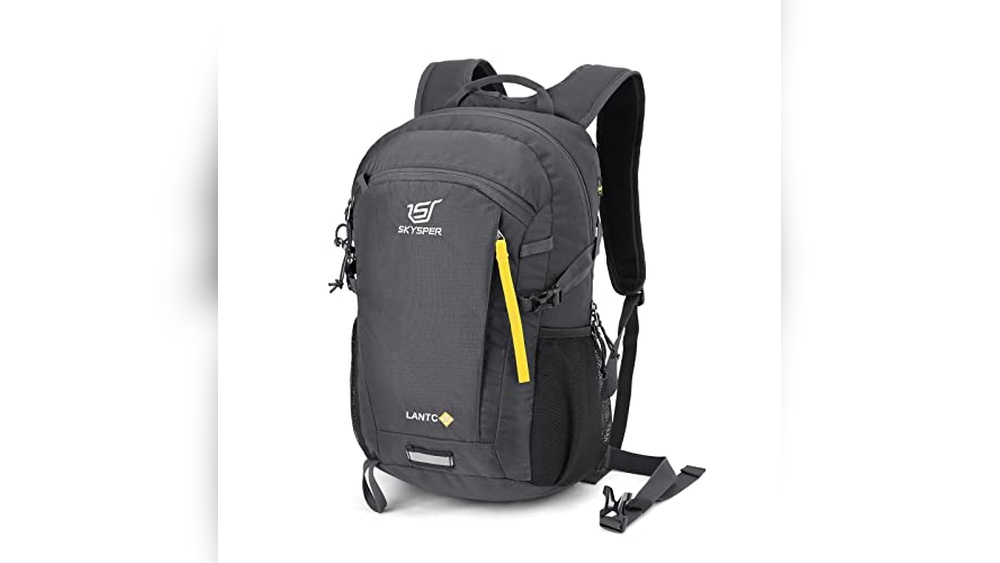
Have you ever struggled with a backpack strap that just won’t stay in place? It’s frustrating when your bag slips or feels uncomfortable because the strap adjuster is broken or stuck.
But don’t worry—you don’t need to buy a new backpack or pay for expensive repairs. In this guide, you’ll learn simple, step-by-step ways to fix your backpack strap adjuster quickly and easily. Keep reading, and you’ll have your backpack working perfectly again in no time.
Common Strap Adjuster Issues
Backpack strap adjusters often face common problems. These issues make carrying your bag uncomfortable or difficult. Knowing these problems helps you fix them fast. Here are the most frequent strap adjuster issues and how to spot them.
Slipping Straps
Straps that slip lose their hold and loosen during use. This happens when the adjuster’s grip weakens. Dirt or wear can reduce friction inside the buckle. The strap slides down, causing the bag to hang unevenly. Fix this by cleaning the buckle or tightening the strap carefully.
Broken Buckles
Buckles can crack or snap from pressure or impact. Broken parts stop the adjuster from working properly. A cracked buckle may still hold but feels unstable. A snapped buckle will not secure the strap at all. Replace the damaged buckle quickly to avoid losing your backpack.
Frayed Webbing
Webbing is the strap material that can wear out over time. Fraying happens when the edges unravel or threads come loose. This weakens the strap and risks tearing completely. Frayed webbing reduces the strap’s strength and safety. Cut away loose threads and consider patching or replacing the strap.
Tools Needed For Repair
Fixing a backpack strap adjuster requires some tools. These tools help make the repair simple and effective. You can use items found at home or buy special tools made for fixing backpacks. Knowing what tools to gather saves time and effort.
Basic Household Items
Start with items you already have at home. Scissors cut loose threads or fabric. A needle and thread help sew torn straps. A lighter can melt frayed edges of nylon straps to stop unraveling. Small pliers can pull or hold metal parts steady. Tape, like duct tape, can hold parts temporarily.
Specialized Repair Tools
Special tools make repairs easier and last longer. A strap adjuster replacement kit includes new buckles and clips. A sewing awl helps push thread through tough fabric. Heavy-duty scissors or fabric shears cut thick materials smoothly. A rivet gun attaches metal parts firmly. These tools give professional results for your backpack repair.
Fixing Slipping Straps
Slipping backpack straps cause frustration and discomfort. They loosen while you walk. Your bag shifts and feels unstable. Fixing this issue restores comfort and keeps your items secure.
Several simple steps can stop straps from slipping. The problem often lies in the strap adjuster. Dirt, worn threading, or loose material can reduce grip. Fixing the adjuster helps hold the strap firmly in place.
Cleaning The Adjuster
Dirt and dust inside the adjuster block its grip. Use a small brush to clean the slot. Remove any debris stuck between metal or plastic parts. Wipe the adjuster with a damp cloth to clear grease. Dry it fully before testing the strap again.
Re-threading The Strap
Incorrect threading reduces friction and causes slipping. Take the strap out of the adjuster. Follow the original threading path carefully. Feed the strap back through the slots tightly. Pull it firm to create tension. This simple fix often stops slipping instantly.
Using Heat To Tighten
Heat can shrink nylon straps slightly. Use a hairdryer on a low setting. Warm the strap near the adjuster slowly. Avoid overheating or burning the fabric. The heat tightens the fibers, increasing friction. Let the strap cool fully before use.
Replacing Broken Buckles
Replacing broken buckles on backpack straps is a simple way to fix your gear. Buckles hold the straps tight and keep your backpack secure. If a buckle breaks, it can make carrying your bag hard and uncomfortable.
Fixing the buckle yourself saves money and extends the backpack’s life. The process involves choosing the right replacement, removing the old buckle, and installing the new one. Each step is easy to follow with the right tools.
Choosing The Right Replacement
Find a buckle that matches your backpack’s strap size. Measure the width of the strap to get the correct buckle size. Look for strong plastic or metal buckles. They last longer and hold the strap firmly. Pick a buckle with the same locking style to ensure it works well.
Removing The Old Buckle
First, loosen the strap from the broken buckle. Some buckles have clips or tabs you can press to release the strap. Use scissors or a seam ripper if the strap is sewn tightly. Be careful not to cut the strap itself. Remove the old buckle completely before adding the new one.
Installing The New Buckle
Slide the strap through the new buckle’s slots. Follow the original path to keep the strap secure. Pull the strap tight and test the buckle’s lock. Adjust the strap length if needed for comfort. Make sure the buckle locks firmly to avoid slipping.
Repairing Frayed Webbing
Frayed webbing weakens backpack straps and causes discomfort. Repairing this damage helps extend your backpack’s life. Small fixes prevent bigger problems later. Focus on simple, effective methods to restore strength and appearance. Keep your backpack secure and comfortable with easy repairs.
Trimming And Sealing Edges
Start by cutting off loose threads with sharp scissors. Trim only the frayed parts for a clean edge. Use a lighter or match to gently melt the webbing ends. This seals fibers and stops further fraying. Be careful not to burn the material. Work in a well-ventilated area for safety.
Using Fabric Glue
Apply fabric glue to the frayed area for added hold. Use a small brush or toothpick to spread glue evenly. Press the webbing together and let it dry fully. This method strengthens weak spots without sewing. Choose glue made for fabrics for the best results. It keeps the webbing flexible and secure.
Sewing Reinforcements
Sewing adds strong support to frayed webbing. Use a heavy needle and strong thread or nylon cord. Stitch back and forth over the damaged area several times. Make tight, close stitches to hold fibers in place. This repair lasts longer and improves strap strength. Use simple stitches anyone can do at home.
Preventive Care Tips
Preventive care helps keep your backpack strap adjusters working well. Small steps can stop big problems. Caring for straps means fewer repairs and longer use. Use these tips to protect your backpack.
Regular Inspections
Check your straps often for signs of wear and tear. Look for cracks, frays, or loose stitching. Catch problems early to fix them fast. A quick look can save money and hassle later.
Proper Strap Adjustment
Adjust straps to fit your body comfortably. Avoid making straps too tight or too loose. Proper fit reduces stress on the adjuster parts. It also helps you carry weight evenly.
Avoiding Overloading
Do not carry more weight than the backpack can hold. Heavy loads strain straps and adjusters. Lighten your load to protect the backpack. This keeps straps and adjusters strong and lasting longer.
Frequently Asked Questions
How Do I Fix A Stuck Backpack Strap Adjuster?
To fix a stuck strap adjuster, first clean any dirt or debris. Then, gently wiggle the strap to loosen it. Applying a small amount of lubricant can help the strap slide smoothly again.
Why Is My Backpack Strap Adjuster Slipping?
A slipping adjuster usually means the strap isn’t threaded correctly or the adjuster is worn out. Re-thread the strap properly or replace the adjuster if damaged for better grip.
Can I Repair A Broken Backpack Strap Adjuster Myself?
Yes, you can repair it by replacing the broken adjuster with a new one. Use a similar size and type for proper fit and functionality.
What Tools Are Needed To Fix A Backpack Strap Adjuster?
Basic tools like scissors, a flathead screwdriver, and replacement adjusters are sufficient. These help remove the old part and install the new adjuster easily.
Conclusion
Fixing a backpack strap adjuster is simple and saves money. Small tools and some patience do the trick. Check the strap for damage before starting. Tighten or replace the adjuster carefully. Test the strap to ensure it holds well. A working strap makes carrying easier and safer.
Keep your backpack ready for any trip. Regular checks prevent future problems and stress. Try these steps next time your strap slips. Carry comfort depends on a secure, fixed strap.